
Salt Water Pool Complete Guide 2026 - Setup, Maintenance & Tips

How do salt water pools actually work? Still confused about the salt
Read full question
Planning our first pool party this weekend and I'm completely clueless about how my new salt water system actually works or what I should be checking. The pool store told me it uses salt to make chlorine somehow, but I don't really understand the process.
I'm also wondering about the maintenance differences compared to regular chlorine pools. Is it really easier to take care of? And does the water actually feel different when you swim in it? Would love some guidance from people who know what they're talking about since I'm pretty new to all this pool stuff.
Quick Answer
Salt water pools use electrolysis to generate chlorine from dissolved salt, requiring proper water chemistry balance including pH, alkalinity, and CYA levels. They still need regular maintenance and chemical adjustments despite producing their own chlorine.
Quick Overview - Salt Water Pools TL;DR
Salt water pools use a salt chlorine generator (SCG) to convert dissolved salt into chlorine through electrolysis. While they produce their own chlorine, they still require regular chemical balancing, testing, and maintenance. Key differences from traditional pools include higher total alkalinity targets (80-120 ppm), CYACyanuric Acid (stabilizer) — Sunscreen for your chlorine — it keeps sunlight from burning it off. The catch: the more you have, the more chlorine you need to keep. learn more → levels of 70-80 ppm, and the need for regular salt cell cleaning. Initial costs are higher but ongoing chemical costs are lower.
What is a Salt Water Pool?
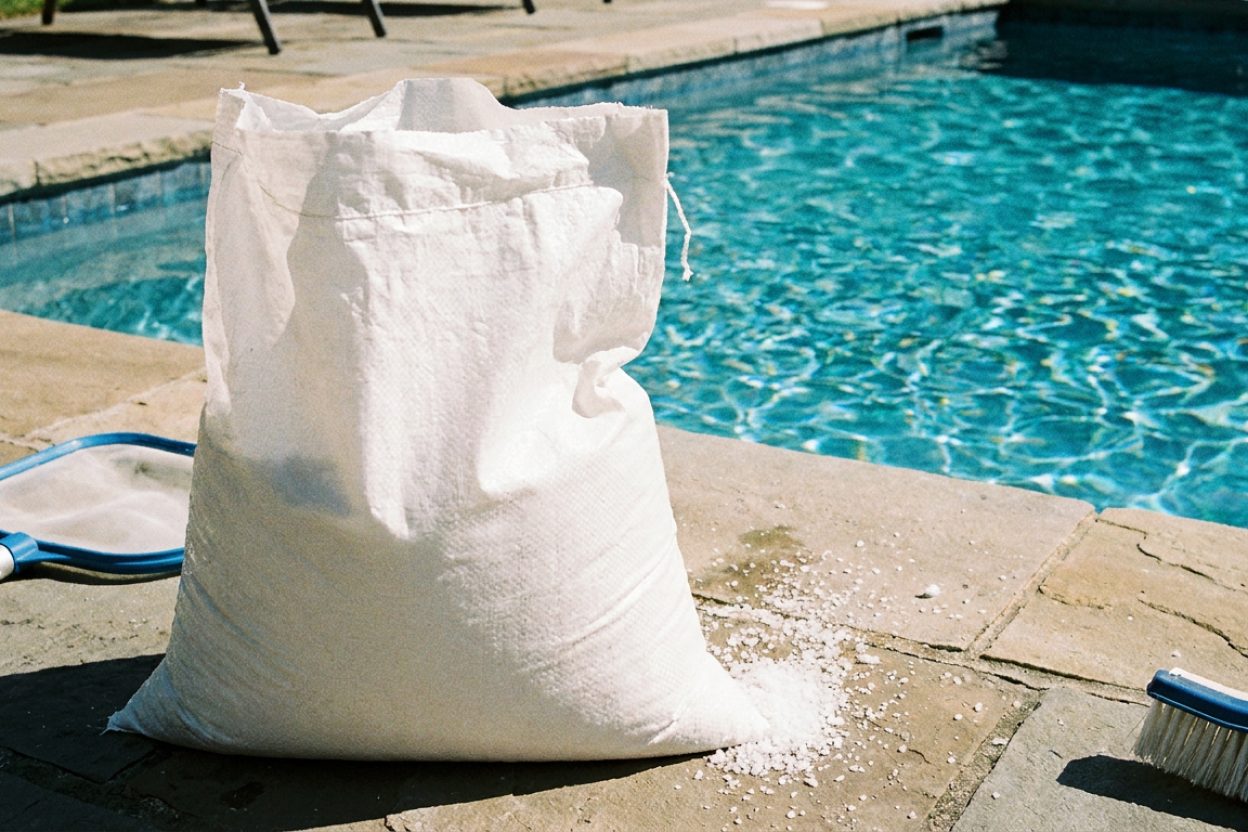
A salt water pool is a swimming pool that uses a salt chlorine generator (SCG) system to produce chlorine from dissolved salt (sodium chloride) through a process called electrolysis. The salt concentration is typically maintained at 2,700-3,400 ppm, which is about 1/10th the salinity of ocean water.
How Salt Water Pool Systems Work
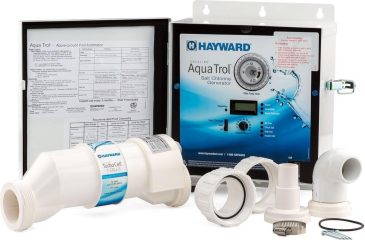
The salt chlorine generator contains an electrolytic cell with metal plates (usually titanium with ruthenium coating). As pool water passes through the cell, an electrical current separates the salt molecules into chlorine gas and sodium hydroxide. The chlorine sanitizes the pool water, then breaks down to chloride ions which can reform salt through the electrolytic cycle, creating a continuous process.
For a detailed explanation of this process, see our guide on how pool salt cells work through electrolysis.
Salt Water vs Traditional Chlorine Pools
The main differences between salt water and traditional chlorine pools include:
- Chlorine production: SCG systems generate chlorine automatically vs manual addition
- Water feel: Softer, less harsh feeling water
- Chemical costs: Lower ongoing chemical expenses
- Initial investment: Higher upfront costs for SCG equipment
- Maintenance: Different but not less maintenance required
Salt Water Pool Chemistry Fundamentals
Maintaining proper water chemistry is crucial for salt water pools. Despite generating their own chlorine, these pools require careful chemical balancing to ensure safe, clear water and protect expensive equipment.
Essential Chemical Parameters
Free Chlorine (FCFree Chlorine — The chlorine actively sanitizing your water right now. This is the number you keep an eye on. how much you need →): Target the right level for your CYA (typically 4-8 ppm for a stabilized outdoor pool with CYA 70-80 ppm) during normal operation. The FC/CYAFC/CYA chart — The chart that sets your chlorine target from your stabilizer (CYA) level — the two go together. see the chart → ratio is critical - use the FC/CYA relationship — our all-in-one pool calculator estimates the free chlorine target for your CYA.
pH Levels: Maintain 7.2-7.6 for optimal chlorine effectiveness and swimmer comfort, with 7.2-7.4 being ideal. SCG systems tend to raise pH, requiring regular adjustment. Learn more about pH Up and Down chemicals for pools.
Total Alkalinity (TATotal Alkalinity — The buffer that keeps your pH from bouncing around. Get this in range and pH gets a lot easier to manage. learn more →): Target 80-120 ppm for salt water pools. TA acts as a pH buffer and affects water balance. See our guide on why alkalinity is essential for pool water chemistry.
Cyanuric Acid (CYA): Maintain 70-80 ppm for salt water pools. CYA protects chlorine from UV degradation but reduces sanitizing effectiveness at high levels. Read about why saltwater pools need cyanuric acid.
Calcium Hardness (CH): Target levels depend on pool surface - 250-350 ppm for plaster, 175-225 ppm for vinyl pools. Learn about calcium hardness requirements for vinyl pools.
Salt Level: Maintain 2,700-3,400 ppm depending on manufacturer specifications. Too low and the SCG won't generate chlorine effectively; too high can damage equipment.
Chemical Requirements
Contrary to popular belief, salt water pools still require chemicals for proper water balance including:
- pH adjusters (muriatic acid or sodium carbonate)
- Alkalinity increaser (sodium bicarbonate)
- Calcium hardness increaser
- Cyanuric acid (stabilizer)
- Salt (sodium chloride)
- Shock treatment chemicals when needed
Salt Water Pool Setup and Installation
Converting an Existing Pool
Most existing pools can be converted to salt water systems. The process involves:
- Equipment assessment: Ensure pump and filter can handle SCG requirements
- SCG selection: Choose appropriate size based on pool volume
- Electrical installation: Professional installation of control unit and cell
- Plumbing modifications: Install cell in return line after filter and heater
- Initial salt addition: Add appropriate amount of pool salt
- System startup: Balance water chemistry and calibrate SCG
New Salt Water Pool Installation
For new pools, salt water systems should be integrated during the design phase. Consider:
- Proper equipment sizing for pool volume and bather load
- Adequate electrical supply (220V typically required)
- Corrosion-resistant materials for all metal components
- Proper grounding and bonding for electrical safety
Daily and Weekly Maintenance Schedule
Daily Tasks
- Check SCG display for error codes or maintenance alerts
- Skim surface debris
- Empty skimmer baskets
- Check pump operation and timer settings
Weekly Tasks
- Test and balance water chemistry (FC, pH, TA)
- Brush pool walls and steps
- Vacuum pool bottom
- Clean pump basket
- Inspect SCG cell for calcium buildup
Monthly Tasks
- Test salt levels
- Test CYA and calcium hardness
- Inspect and clean salt cell if needed
- Check filter condition - see how long cartridge filters last
- Review SCG operating hours and production levels
Seasonal Tasks
- Deep clean salt cell with muriatic acid solution
- Professional equipment inspection
- Winterization if required - check our comprehensive winterization guide
- Replace worn components (cell, flow switch, etc.)
Common Salt Water Pool Problems and Solutions
Cloudy Water Issues
Cloudy water in salt water pools can result from multiple causes. Cloudy water doesn't necessarily mean algae - it could indicate:
- Poor filtration or circulation
- Chemical imbalance (high pH, low chlorine)
- Filter saturation or malfunction
- High total dissolved solids
To clear cloudy water, follow our complete guide to clearing cloudy pool water, which involves testing chemistry, shocking if needed, and running the filter continuously.
Algae Growth
While salt water pools are less prone to algae, it can still occur with poor maintenance. Pool algae forms when conditions are right - warm water, sunlight, nutrients, and low sanitizer levels.
Treatment involves the SLAMShock Level And Maintain — raise free chlorine to a target based on your CYA and hold it there until the algae is gone. It's a process, not a one-time dose. the SLAM walkthrough → method (Shock Level And Maintain):
- Test CYA levels accurately
- Calculate shock level FC based on FC/CYA chart
- Add liquid chlorine to reach shock level
- Maintain shock level 24/7 until water is clear
- Brush pool surfaces twice daily
- Run filter continuously
High pH Problems
Salt chlorine generators naturally raise pH through electrolysis. Consistently high pH reduces chlorine effectiveness and can cause scaling. Lower pool pH safely using muriatic acid or dry acid, following proper dosing guidelines.
Salt Cell Issues
Common salt cell problems include:
- Calcium buildup: Clean with a diluted muriatic acid solution mixed at about 1 part acid to 4 parts water (always add acid to water), soaking only until the bubbling stops
- Low salt error: Test and add salt as needed
- Cell replacement: Typical lifespan is 3-5 years
- Flow errors: Check pump operation and cell installation
Shocking Salt Water Pools
Salt water pools occasionally need shocking despite producing chlorine continuously. You don't need to shock weekly, but shock when:
- FC levels drop below minimum for CYA level
- After heavy rain or bather load
- When algae is present
- Water appears cloudy or has strong chlorine odor
Use liquid chlorine for shocking salt water pools. You can shock two days in a row if needed to reach proper chlorine levels.
Salt Water Pool Costs
Initial Investment
- SCG system: $800-2,500 depending on pool size
- Installation: $300-800 for professional installation
- Initial salt: $50-150 for startup salt load
- Electrical work: $200-500 if upgrades needed
Ongoing Costs
- Salt replacement: $30-50 annually
- Chemical costs: 50-70% less than traditional chlorine
- Cell replacement: $200-600 every 3-5 years
- Electricity: $10-30 monthly depending on usage
Long-term Savings
While initial costs are higher, most salt water pool owners save money over time through reduced chemical purchases and less frequent water replacement needs.
Health and Safety Considerations
Swimmer Comfort
Salt water pools offer several comfort benefits:
- Softer feeling water that's gentler on skin and hair
- Reduced chlorine odor and irritation
- Less frequent red eyes or skin drying
- More pleasant swimming experience overall
Chemical Safety
Proper chemical handling remains important. Pool chemicals can cause rashes if water chemistry is imbalanced or chemicals are mishandled.
Seasonal Considerations
Winter Operation
In warmer climates like Las Vegas, pools operate year-round, but SCG systems may need reduced operation in cooler months. In freezing climates, proper winterization prevents equipment damage.
Summer Peak Season
During heavy use periods, increase SCG output and monitor chemistry more frequently. Higher bather loads and temperatures require more sanitizer production.
Equipment Lifespan and Replacement
Understanding equipment lifespans helps with maintenance planning:
- Salt cells: 3-5 years typically, depending on use and maintenance
- Control units: 7-10 years with proper care
- Pool filters: Varies by type - see our guide on how long pool filters last
Troubleshooting Common Issues
SCG Not Producing Chlorine
Check these items in order:
- Salt level - test and adjust if low
- Flow switch operation - ensure proper water flow
- Cell condition - inspect for damage or buildup
- Electrical connections - verify proper voltage
- Control unit settings - check output percentage
Persistent Algae Growth
If algae keeps returning despite proper SCG operation:
- Test CYA levels - high CYA reduces chlorine effectiveness
- Check circulation and dead spots
- Verify actual FC levels match SCG display
- Consider phosphate levels if problems persist
Equipment Corrosion
Salt can accelerate corrosion of metal components. Prevent damage by:
- Using appropriate bonding and grounding
- Selecting corrosion-resistant materials
- Maintaining proper water balance
- Regular equipment inspection
When to Call a Professional
Contact a pool professional for:
- Initial SCG system installation and setup
- Electrical work and code compliance
- Persistent water chemistry problems
- Equipment repairs beyond basic maintenance
- Salt cell replacement if you're uncomfortable with the process
- Winterization in freezing climates
Frequently Asked Questions
Do salt water pools need chemicals?
Yes, salt water pools still need chemicals for proper water balance including pH adjusters, alkalinity increaser, stabilizer, and occasional shock treatments.
Can I add salt to a regular pool?
No, you shouldn't add salt to a pool without a saltwater system. Salt alone provides no sanitizing benefit and can damage equipment not designed for salt water.
Do salt pools need stabilizer?
Absolutely. Salt pools need stabilizer (CYA) to protect the generated chlorine from UV degradation. Target levels are 70-80 ppm.
How often should I clean my salt cell?
Inspect monthly and clean when calcium buildup is visible. Most cells need cleaning every 2-3 months during peak season, less frequently in winter.
Why is my salt water pool cloudy?
Cloudy water can result from poor filtration, chemical imbalance, or insufficient chlorine production. Follow our guide to clear cloudy water fast for step-by-step solutions.
Can I shock a salt water pool?
Yes, salt water pools occasionally need shocking. Use liquid chlorine and temporarily turn off the SCG during treatment. You can shock during the day but evening is more effective.
How long do salt cells last?
Salt cells typically last 3-5 years with proper maintenance. Factors affecting lifespan include water balance, usage patterns, and maintenance frequency.
Do salt water pools stay clean automatically?
No, salt water pools are not self-cleaning and require regular maintenance including chemical testing, cleaning, and equipment care.
Related Guides
For additional pool maintenance information, check out these comprehensive guides:
- How Pool Filters Work - Understanding sand, cartridge, and DE filtration systems
- How to Raise CYA Levels - Complete guide to adding stabilizer safely
- How to Increase Alkalinity - Using sodium bicarbonate effectively
- Pool Chemical Shelf Life - Proper storage and replacement timing
- Pool Cover Benefits - Preventing algae and maintaining water quality
For the full breakdown of safe chlorine levels by CYA level, see our pool water chemistry guide.
 Taylor K-2006C Complete FAS-DPD Pool & Spa Test Kit
The FAS-DPD kit pool pros trust — reads chlorine accurately even at shock/SLAM levels, plus pH, alkalinity, calcium hardness and CYA. View on Amazon →
Taylor K-2006C Complete FAS-DPD Pool & Spa Test Kit
The FAS-DPD kit pool pros trust — reads chlorine accurately even at shock/SLAM levels, plus pH, alkalinity, calcium hardness and CYA. View on Amazon →
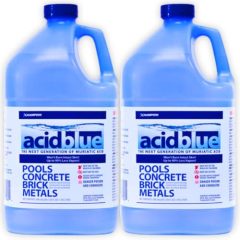 Acid Blue - Low Fume Muriatic Acid for Swimming Pools & Spas - Lower's pH, Reduces Alkalinity - 2 Gallon
View on Amazon →
Acid Blue - Low Fume Muriatic Acid for Swimming Pools & Spas - Lower's pH, Reduces Alkalinity - 2 Gallon
View on Amazon →
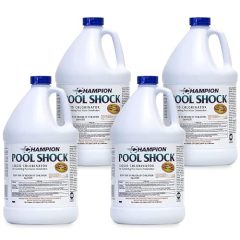 Liquid Chlorine / Sodium Hypochlorite (12.5%)
Everyday sanitizer — the B in BBB View on Amazon →
Liquid Chlorine / Sodium Hypochlorite (12.5%)
Everyday sanitizer — the B in BBB View on Amazon →
Still need help? Ask a Pool & Spa Expert AD
Get a personalized answer from PoolGuy810 — 30 years owning a pool and spa repair company. Describe your issue and get step-by-step help.
Related Pool Guides
Need More Help?
Try our free pool calculators and tools to help diagnose and fix your pool problems.
Browse Pool ToolsSLAM calculator, pH calculator, salt dosing & more