

Do Salt Water Pools Need Chemicals? Complete Guide

New to salt water pools - do I still need to buy chemicals?
Read full question
Our saltwater pool area reeks of that sharp chlorine smell every morning, which seems impossible since we were told these systems are basically chemical-free.
But now I'm reading conflicting information online. The pool store told me I'd still need to buy some chemicals, but I'm confused about what exactly. I thought the salt system was supposed to handle everything? What chemicals do salt water pools actually need, and why? I want to make sure I'm taking proper care of the pool and keeping the water safe for my family.
Quick Answer
Salt water pools still require chemicals for proper water balance, including pH adjusters, stabilizer, and calcium hardness increasers. The salt chlorine generator only produces chlorine, not other essential chemicals needed for safe swimming water. Proper pH (7.4-7.6), total alkalinity (60-80 ppm), calcium hardness (175-225 ppm for vinyl/fiberglass, 250-350 ppm for plaster/concrete), and cyanuric acid (70-80 ppm) levels are crucial.
Understanding Salt Water Pool Chemistry
Many pool owners mistakenly believe that salt water pools are "chemical-free," but this is a dangerous misconception. Your salt chlorine generator (SWGSalt Water Generator — The "salt cell" that makes chlorine from the salt in a saltwater pool. Same chlorine — it just makes its own. pool terms →) only handles one aspect of water chemistry: producing chlorine through electrolysis. Every other chemical parameter requires manual adjustment and monitoring.
The salt cell in your system converts dissolved salt into hypochlorous acid (the same sanitizing compound found in liquid chlorine), but it cannot balance pH, prevent calcium scaling, or maintain proper alkalinity levels. Without these chemicals, your pool water becomes unsafe and can damage both your equipment and swimmers' health.
Essential Chemicals for Salt Water Pools
pH Adjusters
Salt chlorine generators naturally raise pH levels as they operate, making pH management crucial. You'll need:
- Muriatic acid (hydrochloric acid) - Primary pH reducer for salt pools
- Sodium bisulfate (dry acid) - An alternative pH reducer, but generally discouraged in salt pools because its sulfates build up over time and can damage metal equipment and plaster
Most salt water pools require pH reduction 1-3 times per week during peak season. Test pH every 2-3 days and maintain levels between 7.4-7.6 for swimmer comfort and balanced water.
Total Alkalinity Control
Salt water pools require lower total alkalinity than traditional pools - target 60-80 ppm instead of 80-120 ppm. This helps prevent excessive pH rise and calcium scaling on your salt cell.
- Sodium bicarbonate (baking soda) - Raises total alkalinity
- Muriatic acid - Lowers both pH and alkalinity when added slowly with pump running
Calcium Hardness
It depends on your pool surface. Plaster and concrete pools need calcium (250-350 ppm) because low-calcium water etches the plaster. Vinyl and fiberglass pools have no calcium in the surface, so they do not need it for the shell — keep a modest 175-225 ppm mainly to protect metal equipment, since aggressive low-calcium water corrodes heater parts. Either way, do not let calcium run high, because scale builds up on your expensive salt cell.
- Calcium chloride - Increases calcium hardness when levels drop too low
Cyanuric Acid (Stabilizer)
Salt water pools need cyanuric acid levels of 70-80 ppm to protect the generated chlorine from UV degradation.
- Cyanuric acid granules - add to reach 70-80 ppm for a salt pool; our all-in-one pool calculator estimates how much
Additional Chemicals You May Need
Shock Treatment
Even with a functioning salt chlorine generator, you'll occasionally need to shock your pool for algae treatment or after heavy use. A strong chlorine smell — for instance first thing in the morning — usually means combined chlorine (chloramines) has built up and is a cue to shock, not a sign the system is working overtime. Salt pools generally smell less of chlorine than traditional pools, so a noticeable odor is worth investigating. Use liquid chlorine (sodium hypochlorite) if you don't want to add calcium; cal-hypo adds calcium that can scale a salt cell, so reserve it for the rare case where your calcium hardness is genuinely low.
Algaecides and Clarifiers
While proper chlorine levels prevent most algae issues, backup algaecides can be helpful during equipment failures or extreme weather. Polyquat-based algaecides work well with salt systems without interfering with chlorine production. Avoid copper-based algaecides as they can damage salt cells.
Testing and Maintenance Schedule
Salt water pools don't need more frequent testing than other pools overall, but pH should be checked regularly since the generator drives it upward:
- Every few months (or per manufacturer guidance): Inspect the salt cell for calcium buildup and clean only if you see scale
- 2-3 times weekly: Test pH and free chlorine levels
- Weekly: Test total alkalinity, salt level, and cyanuric acid
- Monthly: Test calcium hardness and total dissolved solids
Use a reliable test kit like the Taylor K-2006C or TF-100 for accurate readings. Pool store test strips are notoriously inaccurate for salt water pools.
Common Chemical Mistakes in Salt Water Pools
Don't assume your generator handles everything. Many pool owners neglect pH testing because they think their system is automatic. This leads to pH levels above 8.0, which makes chlorine ineffective and causes scaling.
Avoid calcium-based shock products. Cal-hypo shock adds unnecessary calcium that will scale your expensive salt cell, requiring frequent acid washing and reducing cell life.
Don't ignore total alkalinity. High alkalinity (above 100 ppm) in salt pools causes persistent pH rise and makes chemical balancing nearly impossible.
Cost Considerations
While salt water pools reduce ongoing chlorine costs, you'll spend similar amounts on other chemicals. Budget approximately $200-400 annually for muriatic acid, calcium chloride, cyanuric acid, and periodic cell replacement. The key difference is trading weekly chlorine purchases for more frequent acid additions.
For the full breakdown of safe chlorine levels by CYACyanuric Acid (stabilizer) — Sunscreen for your chlorine — it keeps sunlight from burning it off. The catch: the more you have, the more chlorine you need to keep. learn more → level, see our pool water chemistry guide.
 Taylor K-2006C Complete FAS-DPD Pool & Spa Test Kit
The FAS-DPD kit pool pros trust — reads chlorine accurately even at shock/SLAM levels, plus pH, alkalinity, calcium hardness and CYA. View on Amazon →
Taylor K-2006C Complete FAS-DPD Pool & Spa Test Kit
The FAS-DPD kit pool pros trust — reads chlorine accurately even at shock/SLAM levels, plus pH, alkalinity, calcium hardness and CYA. View on Amazon →
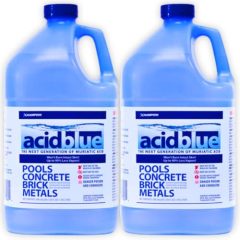 Acid Blue - Low Fume Muriatic Acid for Swimming Pools & Spas - Lower's pH, Reduces Alkalinity - 2 Gallon
View on Amazon →
Acid Blue - Low Fume Muriatic Acid for Swimming Pools & Spas - Lower's pH, Reduces Alkalinity - 2 Gallon
View on Amazon →
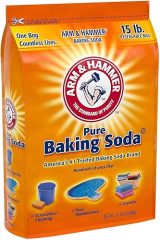 Arm & Hammer Pure Baking Soda (Alkalinity Up)
Raises Total Alkalinity cheaply View on Amazon →
Arm & Hammer Pure Baking Soda (Alkalinity Up)
Raises Total Alkalinity cheaply View on Amazon →
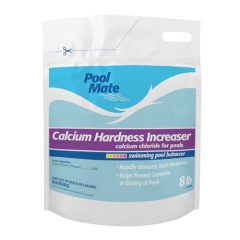 Calcium Chloride — Calcium Hardness Up
Raises calcium hardness (plaster pools) View on Amazon →
Calcium Chloride — Calcium Hardness Up
Raises calcium hardness (plaster pools) View on Amazon →
Still need help? Ask a Pool & Spa Expert AD
Get a personalized answer from PoolGuy810 — 30 years owning a pool and spa repair company. Describe your issue and get step-by-step help.
Related Pool Guides
Need More Help?
Try our free pool calculators and tools to help diagnose and fix your pool problems.
Browse Pool ToolsSLAM calculator, pH calculator, salt dosing & more