Results for "rain"
552+ Answers Free
Heaters Medium 2-4 hours for protective measures 34

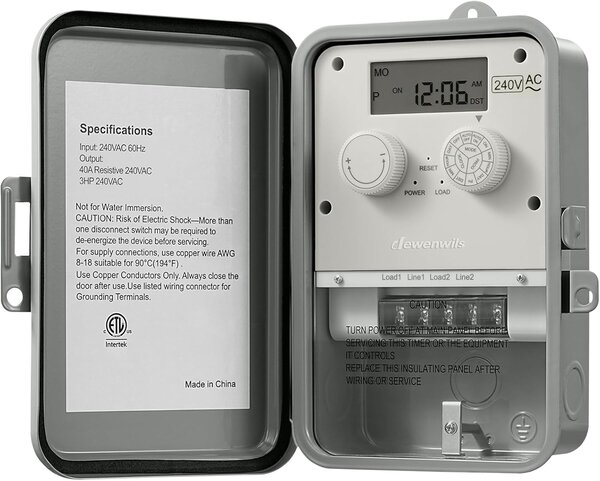
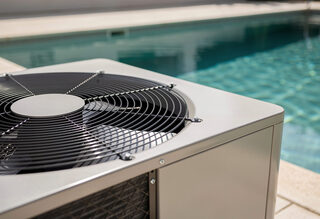
Can Pool Heaters Get Wet? Complete Weatherproofing Guide

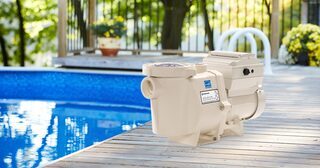
Pool heaters are built to withstand moisture and humidity but should be protected from direct rain, flooding, and submersion. Proper installation with adequate clearances and covers ensures safe operation and longevity.

Maintenance Medium 3-4 hours 22

Do You Have to Drain Your Pool in Winter? Complete Guide

Most pools do not need to be fully drained for winter - only lowered 4-6 inches below skimmers. Proper winterization with chemicals and equipment protection is more important than draining.

Filters Medium 45 minutes 21

How Pool Cartridge Filters Work: Complete Troubleshooting

Pool cartridge filters work by forcing water through pleated fabric material that traps debris and contaminants. The pump pushes water from the pool through the cartridge's polyester or polypropylene fibers, which physically strain out particles as small as 10-15 microns before returning clean water to the pool.

Above Ground Medium 4-8 hours 21

How to Drain Above Ground Pool - Complete Safety Guide

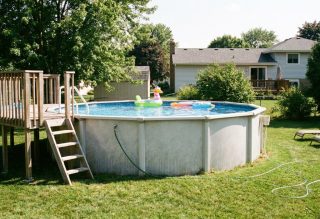
Yes, you can drain above ground pools, but it requires careful planning and proper equipment. Use a submersible pump or siphon method, and never drain during high winds or when the liner is brittle from cold weather.

Winterizing Easy 30 minutes 21

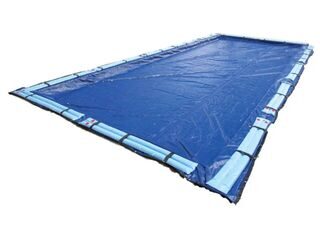
Should You Cover Your Pool When It Rains? Expert Guide

You don't need to cover your pool when it rains unless you're trying to prevent debris accumulation or have specific water balance concerns. Rain actually helps dilute chemicals and provides free water.

Maintenance Medium 4-6 hours 21

How to Winterize Your Pool: Complete Step-by-Step Guide

Pool winterization involves balancing water chemistry, cleaning the pool thoroughly, lowering water levels, draining equipment, adding winterizing chemicals, and securing a proper cover to protect against freeze damage and spring algae blooms.

Winterizing Easy 45 minutes 21

Do I Need Pool Antifreeze? Complete Winterizing Guide

Pool antifreeze is necessary if your pool equipment and plumbing lines can't be completely drained or if temperatures regularly drop below freezing. Use only propylene glycol-based pool antifreeze, never automotive antifreeze.

Pump Problems Medium 2-3 hours 21

Can I Leave Pool Pump Outside in Winter? Storage Guide

You can leave a pool pump outside in winter if properly winterized by draining all water and protecting from freeze damage. In mild climates above 32°F, minimal winterization is needed, but freezing temperatures require complete water removal and protective covers.

Above Ground Medium 2-4 hours 21

Can I Leave My Above Ground Pool Empty? Winter Storage Guide

You can leave an above ground pool empty temporarily, but extended emptying risks structural damage from ground pressure and UV exposure. Proper winterization or partial draining is usually safer than complete emptying.

Above Ground Medium 1-2 hours plus curing time 18

How to Patch Pool Liners: Complete Step-by-Step Guide

Yes, pool liners can be patched using vinyl repair kits. Small holes and tears can be fixed underwater with adhesive patches, while larger damage may require draining and dry patching for best results.

Filters Easy 15 minutes 17

How Pool Filter Sand Works: Complete Filtration Guide

Pool filter sand works by creating a filtration bed that physically traps particles as small as 20-40 microns. Water flows down through the sand bed, where debris gets caught between sand grains, then clean water flows back up through the laterals to your pool.

Water Chemistry Medium 4-6 hours 17

How to Lower CYA (Stabilizer) in Pool - Complete Guide

The only way to lower CYA (cyanuric acid/stabilizer) in a pool is through dilution - either by partial draining and refilling with fresh water, or using reverse osmosis treatment. CYA cannot be chemically neutralized.

Water Chemistry Easy 30 minutes 17

Why Pool Alkalinity Gets Low: 7 Common Causes & Solutions

Pool alkalinity typically drops due to heavy rainfall, organic contamination, frequent chlorine shocking, and acidic water sources. The most common culprit is dilution from rainwater, which has near-zero alkalinity.

Feedback