
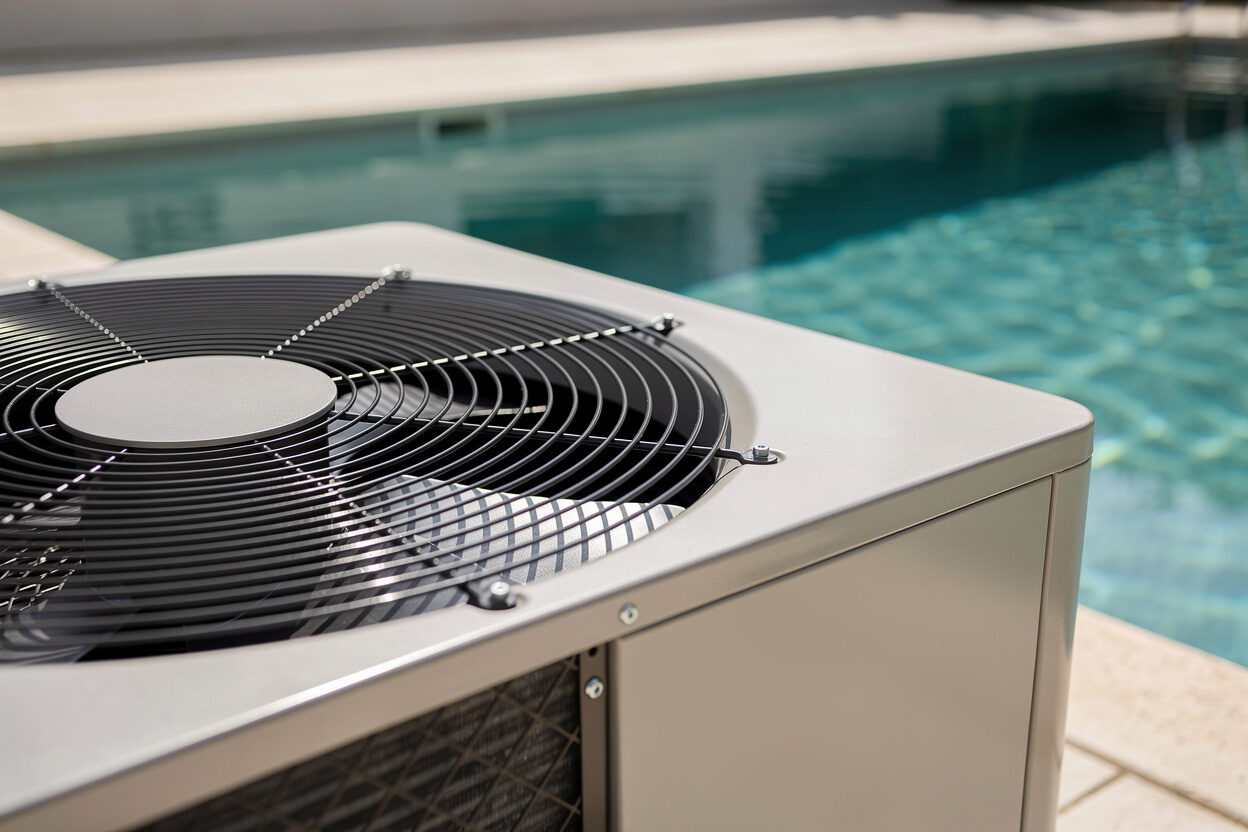
Can Pool Heaters Get Wet? Complete Weatherproofing Guide

Is it safe to leave my pool heater exposed to rain and weather?
Read full question
Somewhere between last week's torrential downpour and watching my kids cannon-ball into the pool nonstop, I started panicking about whether our new heater is actually waterproof. We had it installed last month, but I'm concerned about whether it can handle direct rain, sprinkler overspray, and the humid conditions around our pool area.
Should I be covering it during storms? I want to make sure it stays safe and keeps working properly so the water temperature is always comfortable for the kids. What kind of protection does it actually need from water exposure?
Quick Answer
Pool heaters are built to withstand moisture and humidity but should be protected from flooding and submersion, with direct water kept off the electrical panels, gas valves, and control boards. Proper installation with adequate clearances and covers ensures safe operation and longevity.
Understanding Pool Heater Weather Resistance
Pool heaters are engineered for outdoor installation and include weather-resistant features, but this doesn't mean they can get soaking wet without consequences. Gas heaters like Pentair MasterTemp, Hayward H-Series, and Raypak models have weatherproof housings that protect internal components from normal moisture exposure. Heat pumps such as Pentair UltraTemp and Hayward HeatPro also feature outdoor-rated construction with corrosion-resistant materials.
The key distinction is between weather-resistant and waterproof. Pool heaters can withstand rain, snow, and high humidity, but direct water exposure to electrical panels, gas valves, and control boards can cause serious damage and safety hazards.
What Parts of Pool Heaters Are Most Vulnerable
Electrical Components
The control board, ignition systems, and electrical connections are the most sensitive to water damage. Even weather-resistant heaters have these components sealed but not waterproofed. Water intrusion can cause:
- Short circuits and component failure
- Corrosion of electrical connections
- Ignition system malfunctions
- Control board replacement needs ($300-600)
- Potential electrical hazards
Gas Connections and Valves
Gas pool heaters have multiple valve connections that, while outdoor-rated, can develop leaks if water repeatedly enters threaded connections. This is particularly concerning because:
- Water can cause corrosion in gas lines
- Valve seats may not seal properly after water exposure
- Gas pressure regulators can malfunction
- Safety shutoff systems may be compromised
Heat Exchanger Considerations
The heat exchanger itself is designed to handle pool water and condensation, but external flooding can cause problems with:
- Water intrusion into electrical components and controls
- Sediment and debris entering the unit
- Corrosion of external heat exchanger surfaces
Proper Installation for Weather Protection
Clearance Requirements
Clearances aren't really a water-damage measure - they're about combustion air, airflow, heat dissipation, and service access - but keeping the unit out in the open also helps it shed water and dry. Use your model's installation manual for the exact figures rather than a single universal number:
- Sides and back: a manufacturer-specified minimum that is larger next to combustible surfaces (wood, vinyl siding) than non-combustible ones - gas units are often only ~6 inches to non-combustible surfaces
- Ground clearance per the manufacturer (often just a few inches, for drainage and airflow)
- Above the unit: for a gas heater, never under a deck or combustible overhang - keep the exhaust open to the sky; a top-discharge heat pump needs several feet of clear space above
- Proper drainage around the unit so water never pools at the base
Location Selection
Choose installation locations that minimize water exposure:
- Avoid low-lying areas prone to flooding
- Position away from roof drainage paths
- Consider prevailing wind and rain direction
- Ensure good air circulation for drying
- Install on stable, well-draining surfaces
Protective Measures and Accessories
Heater Covers and Enclosures
While not always necessary, protective covers can extend heater life:
- Seasonal covers for unused periods
- Top covers to deflect direct rain
- Partial enclosures for harsh climates
- Ensure adequate ventilation with any cover
Important: Never operate a pool heater with a cover that restricts airflow. This can cause dangerous carbon monoxide buildup and overheating.
Drainage Solutions
Proper drainage prevents water accumulation:
- Grade soil away from the heater
- Install French drains in flood-prone areas
- Use gravel pads for improved drainage
- Keep gutters and downspouts directed away
What to Do If Your Heater Gets Wet
Immediate Response Steps
- Turn off power at the circuit breaker immediately
- Shut off gas supply at the heater (contact utility company for meter shutoff if needed)
- Do not attempt to operate the unit until completely dry
- Remove any standing water around the base
- Have a qualified technician assess water intrusion in electrical compartments (capacitors may retain dangerous charge even when power is off)
Drying and Assessment
- Allow 24-48 hours for complete drying in mild cases
- Use fans to accelerate drying if safe to do so
- Check for obvious water damage to electrical components
- Look for corrosion on gas fittings and connections
- Inspect the control board for water damage or corrosion
Professional Inspection Requirements
Call a qualified pool heater technician if:
- Water entered electrical compartments
- The unit was submerged or heavily flooded
- You smell gas after the incident
- Electrical components show signs of corrosion
- The heater won't start after drying
Maintenance for Long-Term Weather Resistance
Regular Inspections
Monthly visual inspections help catch problems early:
- Check for loose or corroded electrical connections
- Inspect gas line connections for corrosion
- Look for damaged weather seals
- Ensure drainage around the unit remains clear
- Verify proper clearances are maintained
Annual Professional Service
Professional maintenance should include:
- Electrical connection inspection and tightening
- Gas line pressure testing
- Heat exchanger inspection for corrosion
- Control board function testing
- Weather seal replacement if needed
Warranty and Insurance Considerations
Most pool heater warranties exclude water damage from improper installation or maintenance. Insurance claims for water-damaged heaters often require proof of proper installation and maintenance. Keep documentation of:
- Professional installation certificates
- Annual service records
- Photos of proper clearances and drainage
- Any protective measures installed
Prevention is always more cost-effective than repair. A replacement control board costs $300-600, while proper installation and protection measures cost far less and preserve your warranty coverage.
Still need help? Ask a Pool & Spa Expert AD
Get a personalized answer from PoolGuy810 — 30 years owning a pool and spa repair company. Describe your issue and get step-by-step help.
Related Pool Guides
Need More Help?
Try our free pool calculators and tools to help diagnose and fix your pool problems.
Browse Pool ToolsSLAM calculator, pH calculator, salt dosing & more