Water Chemistry
550+ Answers Free
Water Chemistry Medium 15-20 minutes 34

Complete Pool Water Chemistry Guide - Chlorine, pH & Balance

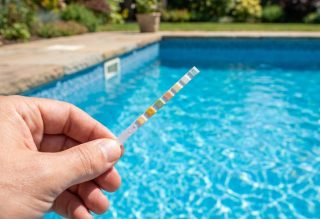
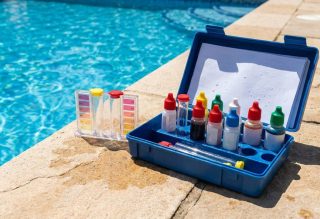
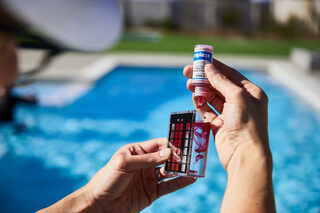
Pool water chemistry involves maintaining proper levels of chlorine (1-3ppm based on CYA), pH (7.4-7.6), alkalinity (60-120ppm), and calcium hardness (250-350ppm for plaster). Regular testing with quality kits and proper chemical dosing ensures safe, clear water.

Water Chemistry Easy 15 minutes 28

Do I Need pH Up and Down for Pool? Essential pH Guide

Yes, most pool owners need pH Up and pH Down chemicals to maintain the ideal pH range of 7.4-7.6, but you may not need both products depending on your water's natural tendencies.

Water Chemistry Medium 30-60 minutes 28

Can You Vacuum Pool After Adding Chemicals? Safety Guide

You can vacuum your pool after adding most chemicals, but timing matters. Wait 15-30 minutes for liquid chemicals to circulate, and 2-4 hours for granular chemicals to fully dissolve before vacuuming.

Water Chemistry Easy 30 minutes 27

How to Raise Pool pH: Complete Guide to pH Increaser

To raise pool pH, add sodium carbonate (soda ash) for quick increases or sodium bicarbonate (baking soda) for gradual increases. Test first, calculate dosage based on pool size, and add chemicals slowly with circulation running.

Water Chemistry Easy 4 hours 26

Can I Shock Pool After Adding Calcium? Safe Timing Guide

Yes, you can shock your pool after adding calcium hardness increaser. Wait 2-4 hours for the calcium to fully circulate and dissolve before adding shock to prevent chemical interactions and ensure even distribution.

Water Chemistry Medium 2 hours for testing and treatment 25

Does My Pool Need Phosphate Remover? Expert Guide 2024

Most pools don't need phosphate remover if you maintain proper chlorine levels. Only consider phosphate removal if you have persistent algae problems despite balanced water chemistry and proper sanitizer levels.

Water Chemistry Medium 2-4 hours 25

Can You Shock Pool With High pH? Complete Chemistry Guide

You can shock a pool with high pH, but it reduces chlorine effectiveness significantly. Lower pH to 7.2-7.4 first for optimal shock treatment, or use 25-50% more chlorine if shocking immediately is necessary.

Water Chemistry Easy 15 minutes 25

Can I Use Pool pH Increaser in My Spa? Safe Chemical Guide

Yes, you can use pool pH increaser in your spa since both use sodium carbonate (soda ash) as the active ingredient. However, you'll need to adjust dosing for your spa's smaller volume and retest after 30 minutes.

Water Chemistry Easy 2-48 hours depending on method 23

How to Lower Pool Chlorine Levels: 5 Proven Methods

To lower pool chlorine levels, stop adding chlorine and let it naturally dissipate over 24-48 hours, or speed up the process using UV exposure, adding fresh water, or using sodium thiosulfate neutralizer.

Water Chemistry Medium 2-3 hours initial setup, ongoing monthly testing 23

Do Salt Pools Need Stabilizer? Complete CYA Guide 2024

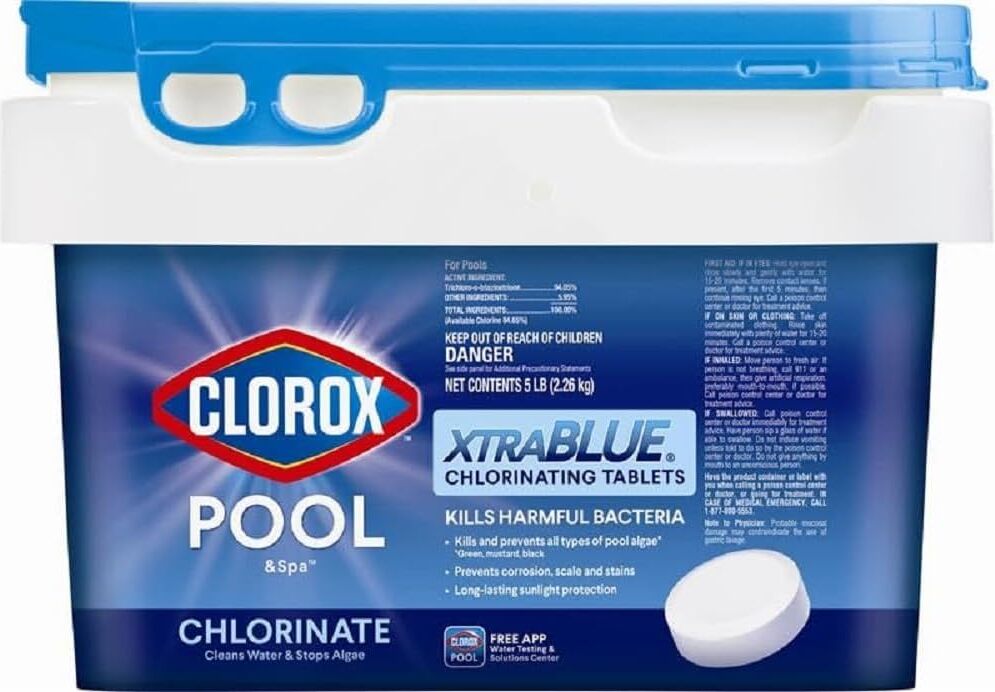
Yes, salt pools absolutely need stabilizer (cyanuric acid) to protect the chlorine generated by your salt water generator from UV degradation. Target 70-80ppm for optimal protection and chlorine efficiency.

Water Chemistry Easy 10 minutes 23

How Long Do Pool Chemicals Last? Complete Shelf Life Guide

Pool chemical shelf life varies dramatically: liquid chlorine lasts 2-5 years, granular chlorine 2-3 years, while pH adjusters and alkalinity increasers can last indefinitely when stored properly.

Water Chemistry Medium 2-3 hours for water correction 23

Can Pool Chemicals Cause a Rash? Complete Guide & Solutions

Yes, pool chemicals can cause rashes through unbalanced water chemistry, excessive chlorine exposure, or pH imbalances. The key is maintaining proper chemical balance and testing regularly to prevent skin irritation.

Feedback