
Results for "bacteria"
552+ Answers 2 New Today Free
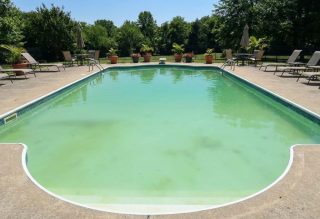
Algae Green Pool Easy immediate recognition 34

Can Green Pool Water Make You Sick? Health Risks Explained

Yes, green pool water can make you sick with infections, gastrointestinal illness, and respiratory problems. The algae indicates dangerous bacteria and parasites are present, making swimming unsafe until properly treated.

Algae Green Pool Medium 3-7 days for full treatment 34

Can Pool Algae Cause a Rash? Health Risks & Prevention

Pool algae can cause skin rashes, irritation, and other health issues through direct contact or by creating conditions that harbor harmful bacteria. The key is eliminating algae through proper SLAM treatment and maintaining balanced water chemistry.

Water Chemistry Medium 45 minutes 31

Can Pool Chlorine Make You Sick? Health Effects Explained

Pool chlorine can make you sick when levels are too high (causing irritation) or too low (allowing harmful bacteria). Proper chlorine levels of 1-4 ppm based on your CYA level prevent illness.

Cloudy Water Medium 2-3 days 22

Can Cloudy Pool Water Hurt You? Health Risks & Safety Guide

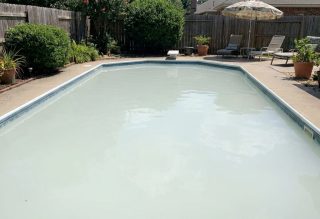
Cloudy pool water can be dangerous to your health as it often indicates the presence of harmful bacteria, parasites, and contaminants. Never swim in cloudy water - clear it first using proper shock treatment.

Algae Green Pool Medium 3-7 days 21

Can Pool Algae Be White? Types & Treatment Guide

Pool algae is typically green, but white growths in pools are usually white water mold, pink slime bacteria, or biofilms rather than true algae. These require similar shock treatment but may need additional scrubbing and filtration.

Algae Green Pool Medium 2-4 weeks for biological solutions 21

Can You Use Pool Algaecide in Pond? Safety & Alternatives

Pool algaecides should not be used in ponds as they contain chemicals toxic to fish, plants, and beneficial bacteria. Use pond-specific treatments or natural methods instead.

Algae Green Pool Medium 3-7 days 21

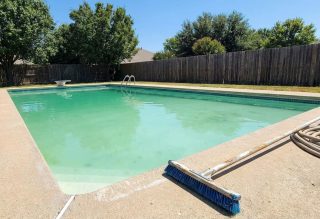
Can I Swim in a Green Pool? Safety Risks & Solutions

No, you should not swim in a green pool as it contains harmful bacteria, algae, and potentially dangerous microorganisms that can cause serious health issues including skin infections, eye irritation, and gastrointestinal problems.

Above Ground Easy 30 minutes 21

Do You Need Chlorine for Above Ground Pool? Complete Guide

Yes, you absolutely need chlorine for your above ground pool to kill bacteria, algae, and other harmful contaminants. Without proper chlorine levels, your pool water becomes unsafe for swimming and will quickly turn green.

Cloudy Water Medium 2-4 hours for SLAM treatment 21

Can Cloudy Pool Water Make You Sick? Health Risks Explained

Yes, cloudy pool water can make you sick by harboring harmful bacteria, viruses, and parasites that cause infections, skin irritation, and respiratory issues. The cloudiness indicates poor water quality and inadequate sanitation.

Cloudy Water Medium 24-72 hours 21

Can I Swim in Cloudy Pool Water? Safety Risks Explained

No, you should not swim in cloudy pool water as it poses safety risks including poor visibility for drowning prevention and potential exposure to harmful bacteria or contaminants that cause the cloudiness.

Cloudy Water Medium 24-48 hours 21

Can I Swim in Cloudy Pool Water? Safety Guide & Quick Fix

No, you should not swim in a cloudy pool as it indicates water chemistry issues and potential harmful bacteria. The cloudiness prevents you from seeing the bottom, creating safety hazards, and suggests inadequate sanitization.

Algae Green Pool Medium 2-7 days treatment 19

Can You Swim in a Pool with Algae? Safety Guide & Solutions

Swimming in a pool with algae is not recommended due to health risks including skin irritation, eye infections, and respiratory issues. The algae indicates poor water chemistry that can harbor harmful bacteria.

Salt Water Easy 30 minutes 19

Can Salt Water Pools Cause UTI? Pool Safety & Prevention

Salt water pools themselves don't cause UTIs, but inadequate sanitizer levels or poor water chemistry can create conditions where bacteria thrive. Proper chlorine levels (2-4 ppm) and balanced pH prevent infection risks.

Feedback