
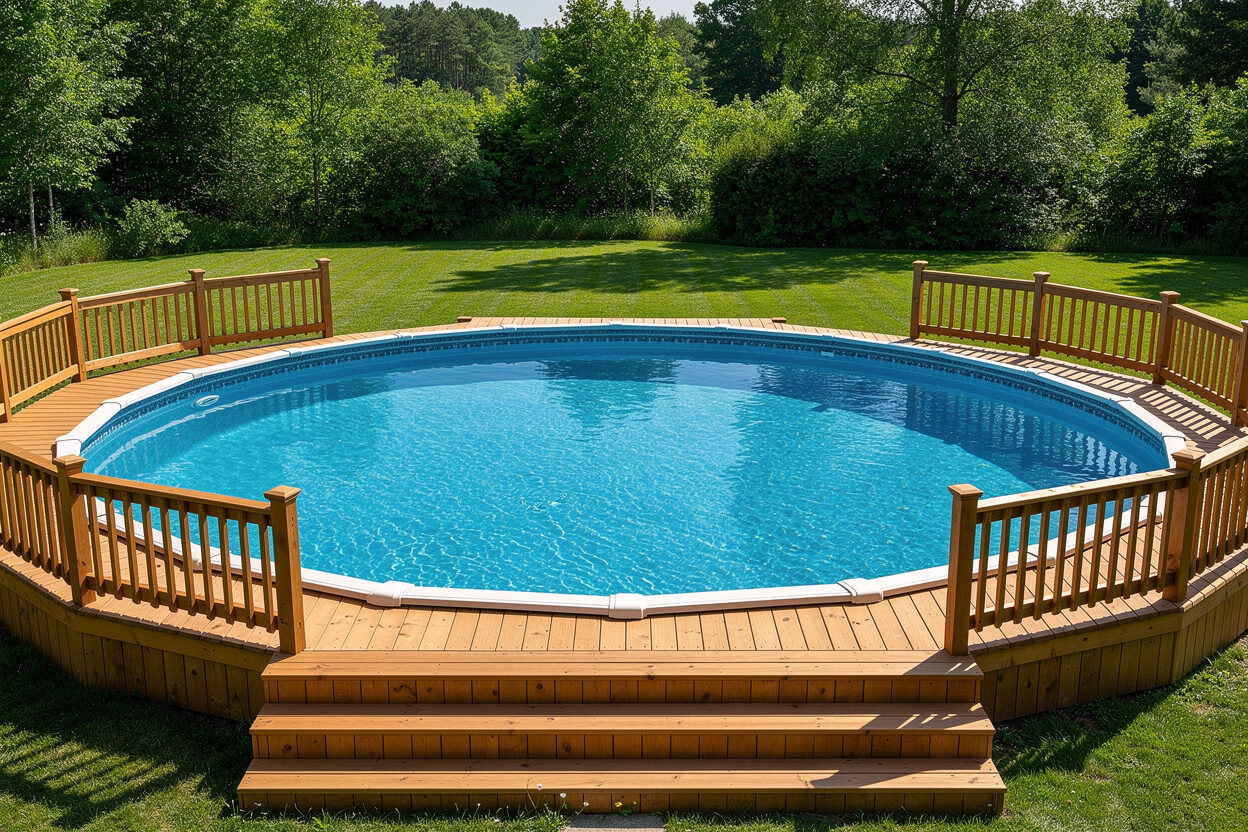
Do You Need Chlorine for Above Ground Pool? Complete Guide

Is chlorine actually necessary for above ground pool maintenance?
Read full question
Three weeks into researching my new above ground pool and I'm still torn between using traditional chlorine or going completely chlorine-free. I've seen some alternative sanitization systems advertised, and I'm wondering if chlorine is truly required or if there are viable alternatives that can maintain safe water conditions.
Specifically, I need to know if skipping chlorine altogether would compromise water safety and what the actual consequences would be for swimmer health and water quality. What role does chlorine play in preventing bacterial growth and algae formation in above ground pools compared to in-ground systems?
Quick Answer
Yes, you absolutely need chlorine for your above ground pool to kill bacteria, algae, and other harmful contaminants. Without proper chlorine levels, your pool water becomes unsafe for swimming and will quickly turn green. The article provides a comprehensive guide on why above ground pools need chlorine, proper dosing, best chlorine types, alternatives, testing, and safety considerations.
Why Above Ground Pools Need Chlorine
Above ground pools face the same contamination challenges as in-ground pools. Swimmers introduce bacteria, body oils, sweat, and organic matter into the water. Environmental factors like leaves, pollen, and dust also contribute to water contamination. Without a sanitizer like chlorine, these contaminants multiply rapidly, creating health hazards and unsightly water conditions.
Public-pool codes often cite a 1-3 ppm free chlorine minimum, but for a stabilized (CYACyanuric Acid (stabilizer) — Sunscreen for your chlorine — it keeps sunlight from burning it off. The catch: the more you have, the more chlorine you need to keep. learn more →) residential pool you should scale FCFree Chlorine — The chlorine actively sanitizing your water right now. This is the number you keep an eye on. how much you need → to your CYA—roughly 7.5% of your CYA as a floor (about 3-4 ppm at 40-50 CYA), and a bit higher as a target. For above ground pools, I recommend targeting free chlorine at the right level for your CYA (typically 4-8 ppm for a stabilized outdoor pool), with higher levels needed when your Cyanuric Acid (CYA) stabilizer levels are elevated.
Proper Chlorine Dosing for Above Ground Pools
The amount of chlorine needed depends on your pool size and current chlorine demand. Here's how to dose properly:
- Daily chlorine needs: Add 1-2 ppm of liquid chlorine daily during swimming season
- Shock dosing: Add enough to reach shock level for your CYA (about 40% of your CYA) - and only when needed (chlorine demand, combined chlorine above 0.5 ppm, or visible algae), not on a routine weekly schedule
- Green pool treatment: Use SLAMShock Level And Maintain — raise free chlorine to a target based on your CYA and hold it there until the algae is gone. It's a process, not a one-time dose. the SLAM walkthrough → method - maintain shock level chlorine based on your CYA level (see our all-in-one pool calculator for the right shock level) until water clears completely
For a typical 24-foot round above ground pool (approximately 11,900 gallons), you'll need approximately 1.2 gallons of liquid chlorine weekly during peak season. Always test your water first using a reliable test kit like the Taylor K-2006.
Best Chlorine Types for Above Ground Pools
Liquid Chlorine (Sodium Hypochlorite)
This is my top recommendation for above ground pools. Liquid chlorine provides pure sanitization, adding only chlorine with no calcium or stabilizer build-up (useful when you don't need them; cal-hypo and dichlor are good options when you do). It's cost-effective, dissolves instantly, and gives you precise control over chlorine levels. Purchase 10% or 12.5% sodium hypochlorite from pool stores rather than household bleach.
Chlorine Tablets (Trichlor)
Convenient for daily chlorination through floating dispensers or automatic feeders. However, trichlor tablets add Cyanuric Acid with each dose, which can accumulate over time. Monitor CYA levels monthly and keep them between 30-50 ppm for traditional chlorine systems. Use 1-2 tablets per week for average-sized above ground pools.
Calcium Hypochlorite (Cal-Hypo)
Excellent for shocking but adds calcium hardness to your water. This isn't problematic for vinyl-lined above ground pools, but monitor calcium levels if using cal-hypo regularly. Dissolve completely before adding to prevent bleaching your liner.
Chlorine Alternatives (Not Recommended as Primary Sanitizers)
While marketed as "chlorine alternatives," systems like saltwater generators, UV systems, and ozonators still require some chlorine residual for effective sanitization. These systems reduce chlorine usage but don't eliminate the need entirely.
Saltwater chlorine generators produce chlorine from salt but require higher CYA levels (60-80 ppm) and consistent maintenance. The initial investment is significant for above ground pools, and you'll still need to add liquid chlorine during high-demand periods.
Testing and Maintaining Chlorine Levels
Test your chlorine levels 2-3 times weekly using a quality test kit. I recommend the Taylor K-2006 for accurate readings. Test strips are convenient but less reliable for precise chemical management.
Key testing schedule:
- Free Chlorine: Test every other day, target the right level for your CYA (typically 4-8 ppm for a stabilized outdoor pool)
- Combined Chlorine: Should be less than 0.5 ppm (shock if higher)
- pH: Maintain 7.4-7.6 for comfort and balanced water
- Cyanuric Acid: Test monthly, keep 30-50 ppm
Remember that chlorine effectiveness drops dramatically when pH exceeds 7.8. Always balance pH before adjusting chlorine levels.
Safety Considerations
Per the CDC, wait to swim until free chlorine is below 10 ppm. Store chlorine products in cool, dry locations away from other pool chemicals to prevent dangerous reactions — chlorine mixed with acid releases toxic gas, and an oxidizer near fuel can ignite.
When handling liquid chlorine, wear safety glasses and avoid skin contact. Pour liquid chlorine slowly and broadcast it around the pool with the pump running. (The 'add chemical to water, never water to chemical' rule is for concentrated dry products and acid, not liquid chlorine.)
Cost-Effective Chlorine Management
Maintain consistent chlorine levels rather than letting them drop to zero and shocking heavily. This approach uses less chemical overall and maintains better water quality. A properly maintained above ground pool typically costs $20-40 monthly in chlorine during swimming season.
Consider purchasing liquid chlorine in bulk during peak season and storing it properly. Rotate stock regularly as liquid chlorine loses potency over time, especially in heat.
For the full breakdown of safe chlorine levels by CYA level, see our pool water chemistry guide.
 Taylor K-2006C Complete FAS-DPD Pool & Spa Test Kit
The FAS-DPD kit pool pros trust — reads chlorine accurately even at shock/SLAM levels, plus pH, alkalinity, calcium hardness and CYA. View on Amazon →
Taylor K-2006C Complete FAS-DPD Pool & Spa Test Kit
The FAS-DPD kit pool pros trust — reads chlorine accurately even at shock/SLAM levels, plus pH, alkalinity, calcium hardness and CYA. View on Amazon →
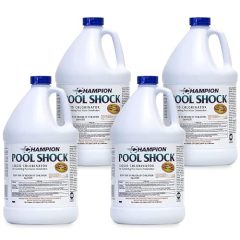 Liquid Chlorine / Sodium Hypochlorite (12.5%)
Everyday sanitizer — the B in BBB View on Amazon →
Liquid Chlorine / Sodium Hypochlorite (12.5%)
Everyday sanitizer — the B in BBB View on Amazon →
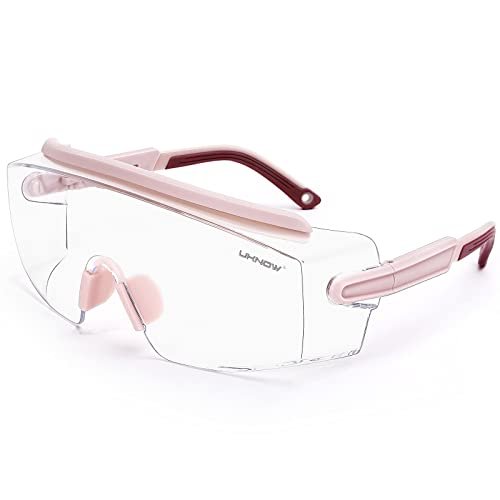 UKNOW Anti-Fog Chemical Splash Safety Goggles
Sealed splash goggles for handling muriatic acid and chlorine. View on Amazon →
UKNOW Anti-Fog Chemical Splash Safety Goggles
Sealed splash goggles for handling muriatic acid and chlorine. View on Amazon →
Still need help? Ask a Pool & Spa Expert AD
Get a personalized answer from PoolGuy810 — 30 years owning a pool and spa repair company. Describe your issue and get step-by-step help.
Related Pool Guides
Need More Help?
Try our free pool calculators and tools to help diagnose and fix your pool problems.
Browse Pool ToolsSLAM calculator, pH calculator, salt dosing & more