

How to Raise Pool pH: Complete Guide to pH Increaser

What's the best way to raise my pool's pH level safely?
Read full question
Before I dump chemicals into my pool, I'm trying to decide between adding baking soda or actual pH increaser to bring it up from 7.0. The pool store told me I need to raise it, but they mentioned a couple different chemicals and I'm honestly a bit confused about which one to use.
I've heard about soda ash and baking soda, but I'm not sure what the difference is or how much I should add to my 20,000 gallon pool. I really don't want to mess this up and swing it too far the other way. Should I be adding the chemicals slowly, and do I need to have my pump running when I do it? Any guidance would be really appreciated!
Quick Answer
To raise pool pH, add sodium carbonate (soda ash); use sodium bicarbonate (baking soda) only when total alkalinity is also low, since it mainly raises TA and moves pH only slightly. Test first, estimate the dose for your pool size with our calculator, and add chemicals slowly with circulation running.
Understanding Low pH in Pools
Don't panic — low pool pH might seem alarming when you see those test strip results, but it's one of the easiest water chemistry problems to fix. Acidic water corrodes metal equipment, etches plaster surfaces, and can irritate eyes and skin (note that low pH actually makes chlorine slightly more active—the harm is corrosion, not weaker sanitizer). The ideal pH range for pools is 7.4-7.6, chosen for swimmer comfort, surface and equipment protection, and overall water balance.
Choosing the Right pH Increaser
You have two main options for raising pool pH, each with distinct advantages:
Sodium Carbonate (Soda Ash)
Sodium carbonate is the most effective chemical for raising pH quickly. It has minimal impact on total alkalinity, making it perfect when you need to raise pH without significantly affecting TATotal Alkalinity — The buffer that keeps your pH from bouncing around. Get this in range and pH gets a lot easier to manage. learn more → levels. This is your go-to choice when pH is low but total alkalinity is in the proper range (80-120 ppm for regular pools, 60-80 ppm for salt water generators).
Sodium Bicarbonate (Baking Soda)
Sodium bicarbonate is really a total-alkalinity raiser — it nudges pH only slightly. Reach for it when your TA is low; adding enough to meaningfully move pH would overshoot TA. When pH is low but TA is already in range, use soda ash (or borax/aeration) instead. Household baking soda is chemically identical to pool-grade sodium bicarbonate and works the same; pool-grade is just sold in bulk, which can be cheaper per pound.
Testing and Sizing Your Dose
Before adding any chemicals, test your water using a reliable test kit. Taylor K-2006C or comparable test kits provide accurate readings essential for proper chemical balancing.
For a handy reference to calculate the amount of pH increaser you need, use our all-in-one pool calculator.
Sodium Carbonate Dosing
As a rule of thumb, about 6 oz of soda ash per 10,000 gallons raises pH by roughly 0.2 units. Scale it to your pool volume with the calculator above, then add gradually and retest.
Never add more than 1 pound of soda ash per 10,000 gallons in a single treatment. Large additions can cause cloudy water and scaling on pool surfaces.
Sodium Bicarbonate Dosing (for total alkalinity)
Baking soda’s real job is raising total alkalinity — these amounts raise TA by about 10 ppm (pH moves only slightly):
- 10,000 gallons: 1.4 pounds
- 20,000 gallons: 2.8 pounds
- 30,000 gallons: 4.2 pounds
Free pH Calculator
Estimate how much pH increaser you need for your pool:
Step-by-Step Application Process
Before Adding Chemicals
Ensure your pool circulation system is running and will continue running for at least 4-6 hours after chemical addition. This prevents localized high-concentration areas that can damage pool surfaces or equipment.
Safe Application Method
For sodium carbonate, pre-dissolve the powder in a plastic bucket using pool water. Stir thoroughly until completely dissolved - undissolved soda ash can cause surface damage. Pour the solution slowly around the pool perimeter while walking, focusing on areas with good water movement near return jets.
For sodium bicarbonate, you can broadcast the powder directly into the deep end while circulation runs, or pre-dissolve for faster distribution. The bicarbonate dissolves more readily than soda ash.
Timing and Retesting
Wait at least 4 hours before retesting pH levels. The chemicals need time to fully circulate and react with the water. If pH hasn't reached your target range (7.4-7.6), add another dose if needed, sizing it with the calculator.
Important: Never add more than two treatments in a 24-hour period. Rapid chemical changes can cause water balance issues and equipment problems.
Monitoring Total Alkalinity
When raising pH, always monitor total alkalinity changes. Sodium carbonate raises TA less than sodium bicarbonate for the same pH increase, but it still raises TA somewhat, so monitor TA when using either. If total alkalinity climbs above 120 ppm (or above ~80 ppm for salt water pools, where high TA drives faster pH rise), you can lower it using muriatic acid, which will also lower pH.
Safety Considerations
Always wear safety equipment when handling pool chemicals. Use chemical-resistant gloves, safety glasses, and avoid breathing chemical dust. Store chemicals in original containers in cool, dry locations away from other pool chemicals.
Never mix different chemicals together, and always add chemicals to water, not water to chemicals. Keep sodium carbonate away from calcium hypochlorite, as this combination can cause dangerous reactions.
Preventing Future pH Problems
Regular testing prevents pH swings that require large chemical additions. Test pH 2-3 times weekly during swimming season, and address small changes immediately rather than waiting for significant drops.
Consider factors that naturally lower pH: heavy swimmer loads, rainfall, and certain sanitizers all contribute to pH decline. Maintaining proper total alkalinity (80-120 ppm) helps buffer against rapid pH changes.
For the full breakdown of safe chlorine levels by CYACyanuric Acid (stabilizer) — Sunscreen for your chlorine — it keeps sunlight from burning it off. The catch: the more you have, the more chlorine you need to keep. learn more → level, see our pool water chemistry guide.
 Taylor K-2006C Complete FAS-DPD Pool & Spa Test Kit
The FAS-DPD kit pool pros trust — reads chlorine accurately even at shock/SLAM levels, plus pH, alkalinity, calcium hardness and CYA. View on Amazon →
Taylor K-2006C Complete FAS-DPD Pool & Spa Test Kit
The FAS-DPD kit pool pros trust — reads chlorine accurately even at shock/SLAM levels, plus pH, alkalinity, calcium hardness and CYA. View on Amazon →
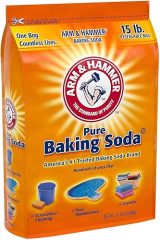 Arm & Hammer Pure Baking Soda (Alkalinity Up)
Raises Total Alkalinity cheaply View on Amazon →
Arm & Hammer Pure Baking Soda (Alkalinity Up)
Raises Total Alkalinity cheaply View on Amazon →
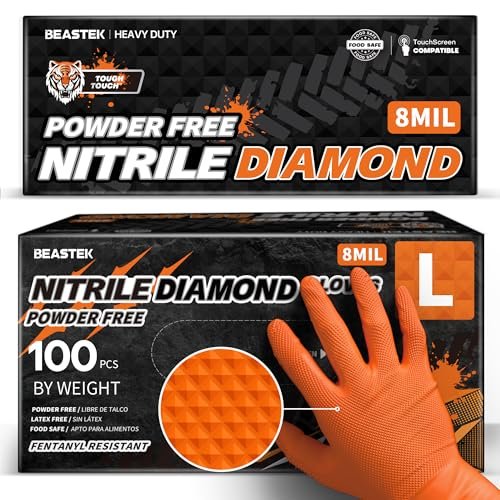 Beastek 8-mil Chemical-Resistant Nitrile Gloves
Disposable nitrile gloves for safe handling of pool chemicals. View on Amazon →
Beastek 8-mil Chemical-Resistant Nitrile Gloves
Disposable nitrile gloves for safe handling of pool chemicals. View on Amazon →
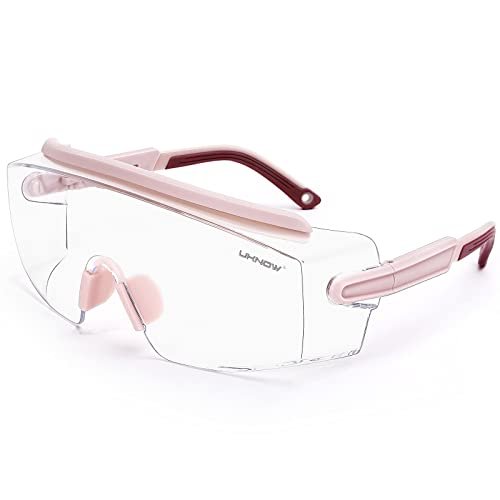 UKNOW Anti-Fog Chemical Splash Safety Goggles
Sealed splash goggles for handling muriatic acid and chlorine. View on Amazon →
UKNOW Anti-Fog Chemical Splash Safety Goggles
Sealed splash goggles for handling muriatic acid and chlorine. View on Amazon →
Still need help? Ask a Pool & Spa Expert AD
Get a personalized answer from PoolGuy810 — 30 years owning a pool and spa repair company. Describe your issue and get step-by-step help.
Related Pool Guides
Need More Help?
Try our free pool calculators and tools to help diagnose and fix your pool problems.
Browse Pool ToolsSLAM calculator, pH calculator, salt dosing & more