
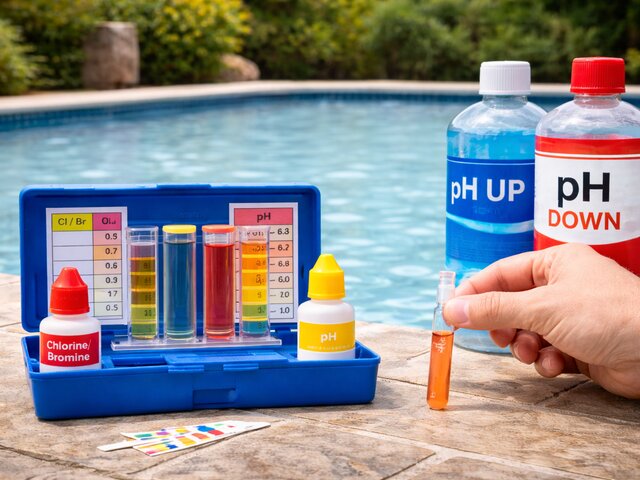
Can You Store Pool Chemicals in an Outdoor Shed? Safety Guide

Safe to store pool chemicals in outdoor shed?
Read full question
Around summer my backyard shed gets scorching hot, has terrible ventilation, AND I'm panicking about whether my pool chemicals are safe out there. Is this safe or asking for trouble?
Mainly have chlorine tablets, shock, pH adjusters, and algaecide. Shed gets pretty hot in summer and doesn't have great ventilation. What are the main things I need to worry about for safe storage?
Quick Answer
Yes, you can store pool chemicals in an outdoor shed with proper ventilation, temperature control, and separation. Maintain temperatures below 95°F and ensure adequate airflow to prevent dangerous chemical reactions and degradation.
Diagnosing Your Storage Situation
First, let's diagnose whether your outdoor shed is suitable for chemical storage by evaluating these critical factors:
- Temperature control: Does your shed exceed 95°F during summer months?
- Ventilation: Is there adequate airflow to prevent chemical vapor buildup?
- Moisture levels: Are chemicals protected from humidity and water exposure?
- Structural integrity: Can shelving support chemical weight safely?
- Security: Is the shed lockable to prevent unauthorized access?
Safe Storage Solutions
Temperature Management
Pool chemicals, particularly chlorine-based products, become unstable and dangerous when exposed to high temperatures. Calcium hypochlorite (cal-hypo) becomes unstable well before most people expect — its self-accelerating decomposition temperature is around 117°F (47°C), and authorities recommend storing it below 120°F; a hot shed can reach those temperatures. Liquid chlorine also degrades rapidly in heat. Install a thermometer in your shed and consider these cooling strategies:
- Add roof vents or exhaust fans for heat removal
- Install reflective roofing material or insulation
- Position chemicals on lower shelves where temperatures are cooler
- Consider a small ventilation fan during peak summer months
Proper Ventilation Requirements
Chemical vapors can build up to dangerous levels in enclosed spaces. Create cross-ventilation by installing:
- High exhaust vents near the roof line
- Low intake vents near the floor
- Adequate ventilation based on shed size and local building codes
- Screened vents to prevent pest intrusion
Chemical Separation and Organization
Never store incompatible chemicals together. Organize your shed with these separation rules:
- Chlorine products: Store calcium hypochlorite, sodium hypochlorite, and chlorine tablets on separate shelves
- Acids: Keep muriatic acid and dry acid well separated from any chlorine products on different shelving areas (mixing the two releases toxic chlorine gas)
- Oxidizers: Store shock products away from organic materials and other chemicals (an oxidizer in contact with fuel or organics can ignite)
- Liquid chemicals: Place on lower shelves with containment trays
- Dry chemicals: Keep elevated and moisture-free
Storage Best Practices
Shelving and Container Setup
Use metal or heavy-duty plastic shelving that won't corrode from chemical vapors. Avoid wood shelving, which can absorb moisture and chemicals. Keep all chemicals in their original containers with intact labels. For liquid chemicals like muriatic acid and liquid chlorine, use secondary containment trays to catch any spills.
Inventory Management
Rotate your chemical stock using the "first in, first out" principle. Liquid chlorine typically loses roughly 20% of its available chlorine per month at room temperature (down to about half-strength in three months), and degrades faster in heat. Check expiration dates monthly and consult manufacturer specifications to verify effectiveness during storage.
Safety Equipment
Equip your shed with essential safety items:
- Eye wash station or emergency water supply
- Chemical-resistant gloves
- Safety goggles
- Spill cleanup materials (sand, baking soda)
- Emergency contact numbers posted prominently
When Shed Storage Isn't Appropriate
Consider alternative storage if your shed experiences:
- Temperatures regularly exceeding 95°F
- High humidity or water intrusion
- Inadequate ventilation that can't be improved
- Structural issues preventing safe shelving
- Easy access by children or unauthorized persons
Alternative Storage Solutions
If your shed isn't suitable, consider these options:
- Basement storage: Cool, dry areas away from furnaces
- Garage storage: With proper ventilation and temperature control
- Chemical storage cabinet: Specially designed ventilated cabinets
- Reduced inventory: Buy smaller quantities more frequently
Monitoring and Maintenance
Establish a monthly inspection routine to check:
- Temperature logs and ventilation effectiveness
- Chemical container integrity and label readability
- Expiration dates and product effectiveness
- Spill cleanup and containment systems
- Safety equipment functionality
Warning: Never mix different pool chemicals, even during transport or storage. For a fire involving pool chemicals such as cal-hypo (a strong oxidizer), flood it with large amounts of water to cool and dilute it — do not try to smother an oxidizer fire with a dry-chemical or CO2 extinguisher, as that is ineffective. Contact emergency services immediately if you suspect a chemical reaction or fire.
Cost-Effective Setup
A basic safe storage setup including ventilation fans, metal shelving, containment trays, and safety equipment typically costs $200-400. This investment protects both your chemical inventory (worth $100-300 annually) and prevents potentially catastrophic accidents that could cost thousands in property damage or medical bills.
Still need help? Ask a Pool & Spa Expert AD
Get a personalized answer from PoolGuy810 — 30 years owning a pool and spa repair company. Describe your issue and get step-by-step help.
Related Pool Guides
Need More Help?
Try our free pool calculators and tools to help diagnose and fix your pool problems.
Browse Pool ToolsSLAM calculator, pH calculator, salt dosing & more