How to Install Above Ground Pool Liner Yourself - DIY Guide
Yes, you can install an above ground pool liner yourself with the right tools and patience. The process typically takes 4-6 hours and requires 2-3 people for best results.
Above ground pool liners typically last 6-10 years, with premium vinyl liners potentially lasting up to 15 years. Proper water chemistry, UV protection, and maintenance significantly extend liner life.
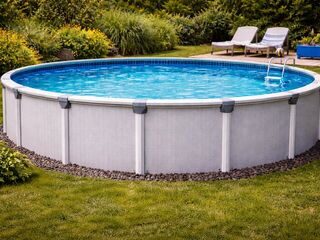
Above ground pool installation requires proper site preparation, level ground, and careful assembly of walls, liner, and equipment. Most installations take 6-12 hours with proper planning and tools.
Above ground pools require proper installation on level ground, regular liner maintenance (lasting 6-10 years), and balanced water chemistry with chlorine levels based on CYA. This comprehensive guide covers everything from DIY installation to winterization and troubleshooting common issues.
Yes, above ground pools absolutely need a liner to hold water and protect the pool structure. The liner creates a waterproof barrier and should be replaced every 5-9 years depending on usage and maintenance.
Yes, you can absolutely install an above ground pool yourself - most homeowners complete the installation in 1-3 days with basic tools and 2-3 helpers. The key is proper ground preparation and following manufacturer instructions carefully.
Above ground pool liners typically last 5-9 years depending on quality, maintenance, and environmental factors. Premium vinyl liners with proper chemical balance and UV protection can reach the upper end of this range.
Above ground pool liners typically last 15-20 years, but harsh winter conditions can reduce this lifespan by 2-3 years if not properly winterized. Proper water level maintenance, chemical balance, and cover protection are essential for winter liner preservation.
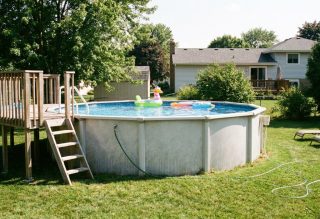
Yes, you can drain above ground pools, but it requires careful planning and proper equipment. Use a submersible pump or siphon method, and never drain during high winds or when the liner is brittle from cold weather.
Above ground pools typically range from 48 to 54 inches deep, with 52 inches being the most popular choice. The depth you choose depends on your family's swimming needs and safety requirements.
Yes, above ground pools can be converted to salt water, but you need to verify liner compatibility, install a properly sized salt water generator, and maintain CYA levels between 70-80 ppm for optimal performance.
Sand is not always required under above ground pools, but it provides excellent leveling and protection. Pool pads, foam boards, or crushed stone can also work depending on your ground conditions.
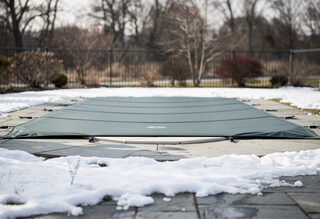
Winterizing an above ground pool requires balancing chemicals, cleaning thoroughly, lowering water levels, protecting equipment, and installing a winter cover to prevent freeze damage and algae growth during cold months.
Yes, you can leave an above ground pool up all year, but it requires proper winterization including chemical balancing, equipment protection, and regular maintenance to prevent freeze damage and extend pool life.
Above ground pools should typically be at least 10 feet from your house, though local building codes may require 15-25 feet. Check with your local building department for specific setback requirements in your area.