
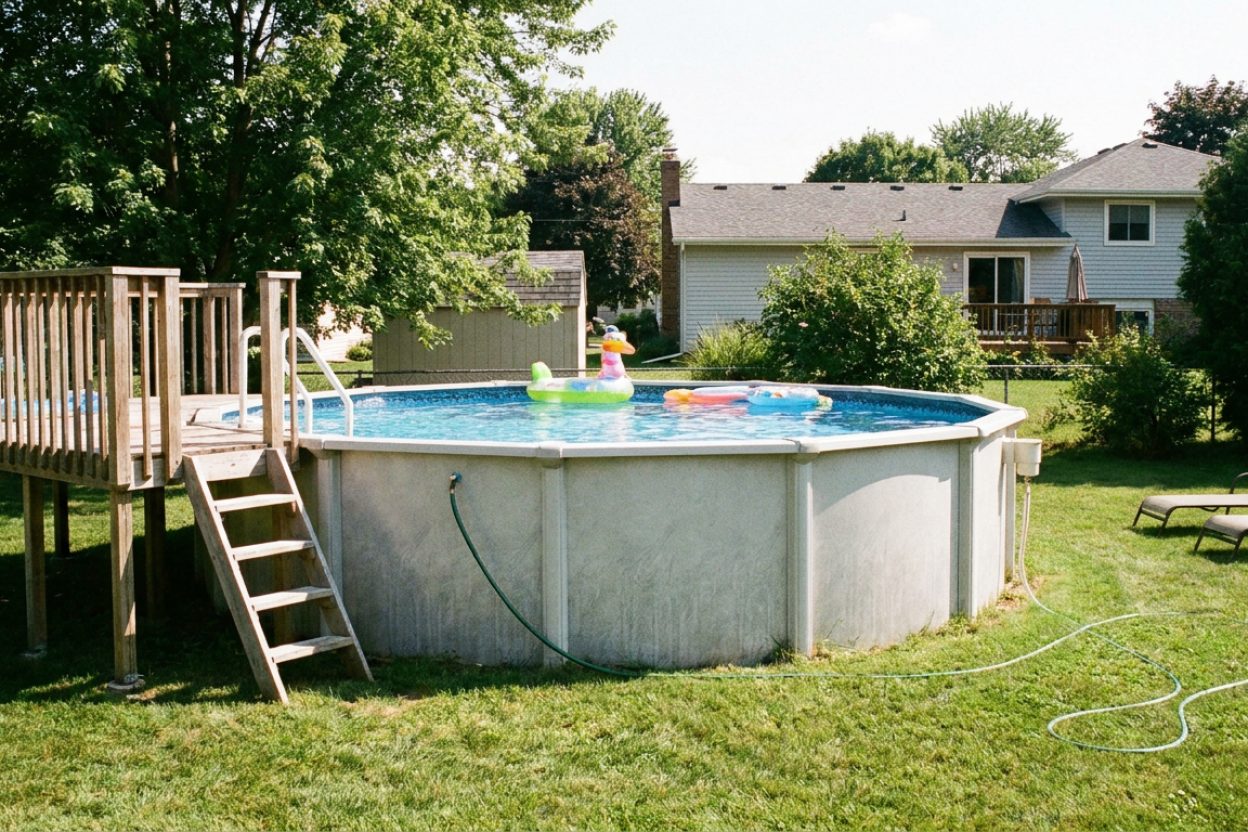
How to Drain Above Ground Pool - Complete Safety Guide

Safe way to drain my above ground pool without paying pool store?
Read full question
Three different sources are telling me wildly different drain times for my above ground pool — my contractor says 6-8 hours but the pump manual clearly states 2-3 hours maximum. Now they want to charge me $300 just to drain my above ground pool for the winter! That's ridiculous.
I know I can do this myself but I want to make sure I don't mess up my liner or damage anything. What's the safest DIY method to drain it? I've heard about using pumps or some kind of siphon thing, but I don't want to risk doing it wrong and having to buy a whole new pool setup.
Quick Answer
Yes, you can drain above ground pools, but it requires careful planning and proper equipment. Use a submersible pump or siphon method, and never drain during high winds or when the liner is brittle from cold weather.
First, Let's Diagnose When Draining Is Actually Necessary
Before we dive into the draining process, it's crucial to determine if you actually need to drain your pool. Many pool problems can be solved without draining:
- Green or cloudy water: Use the SLAMShock Level And Maintain — raise free chlorine to a target based on your CYA and hold it there until the algae is gone. It's a process, not a one-time dose. the SLAM walkthrough → method (Shock Level And Maintain) with liquid chlorine instead of draining
- High Total Dissolved Solids (TDS): Only drain if TDS exceeds 3,000-4,000 ppm and water balance is impossible
- High Cyanuric Acid (CYACyanuric Acid (stabilizer) — Sunscreen for your chlorine — it keeps sunlight from burning it off. The catch: the more you have, the more chlorine you need to keep. learn more →): Drain only if CYA is above 100 ppm and dilution won't bring it to 30-50 ppm range
- Winter closing: Most above ground pools only need partial draining, not complete - for winterizing, just lower the water to about 4-6 inches below the skimmer (or fit a winter skimmer plate and skip draining entirely). Never fully drain an above-ground pool for winter: it risks drying out the liner and can let the walls collapse. A pump manual's "2-3 hours" is usually a maximum continuous run-time, not a full-drain estimate, which is why it differs from a contractor's 6-8 hours.
You should drain your above ground pool when:
- Major liner repairs or replacement
- Moving or relocating the pool
- Structural repairs to the pool frame
- Severe water chemistry issues that can't be corrected
- Pool has been abandoned for extended periods with contamination
Safety Considerations Before Draining
Critical Safety Warning: Never drain your above ground pool during high winds, storms, or when temperatures are below freezing. Cold weather makes vinyl liners brittle and prone to cracking.
Check these conditions first:
- Weather forecast shows calm conditions for 24-48 hours
- Temperature above 50°F to keep liner flexible
- No rain expected during draining process
- Electrical safety - ensure GFCI protection for all equipment
Step-by-Step Draining Solutions
Method 1: Submersible Pump (Fastest)
This is the fastest and most efficient method for draining above ground pools.
- Turn off all pool equipment: Shut down filter system, heaters, and disconnect power to prevent damage
- Set up the submersible pump: Place a 1/2 HP or larger submersible pump in the deepest part of your pool
- Connect discharge hose: Attach garden hose or lay-flat discharge hose, ensuring it reaches your drainage area
- Check local drainage laws: Verify where you can legally discharge pool water - many areas prohibit draining into storm drains
- Start pumping: Turn on pump and monitor progress - a typical 24-foot round pool commonly takes 8-14 hours with a submersible pump (time varies with pump flow rate and pool volume)
- Protect the liner: As water level drops, smooth out wrinkles and ensure liner doesn't shift or bunch up
- Final cleanup: Use pool vacuum or wet/dry shop vacuum for remaining water and debris
Method 2: Siphon Method (Budget Option)
If you don't have access to a submersible pump, siphoning works but takes much longer.
- Get adequate hose length: You'll need enough garden hose to reach from pool to drainage point with 10+ feet extra
- Create the siphon: Fill hose completely with water, blocking both ends with your thumbs
- Position hose ends: Place one end at pool bottom, other end at drainage point (must be lower than pool water level)
- Start siphon: Release both ends simultaneously - water should begin flowing
- Monitor flow: Siphon rate depends on height difference and hose diameter - expect 12-24 hours for complete draining
- Maintain siphon: Check periodically to ensure continuous flow and clear any air bubbles
Protecting Your Pool During Draining
Liner Protection
Above ground pool liners are vulnerable during draining. Follow these steps:
- Never allow liner to completely dry out if refilling same day
- Smooth wrinkles as water level drops to prevent permanent creases
- Avoid walking on wet liner - it's extremely slippery and easily damaged
- Keep sharp objects away from exposed liner surfaces
Structural Considerations
While above ground pools handle draining better than inground pools, monitor these aspects:
- Check wall stability as water pressure decreases
- Ensure pool frame remains level and secure
- Watch for any shifting or settling of pool base
- Document any issues for addressing before refill
Common Draining Problems and Solutions
Problem: Pump Stops Working
- Check electrical connections and GFCI breaker
- Clear pump intake of debris
- Ensure pump hasn't run dry (needs water to stay cool)
Problem: Siphon Breaks
- Check for air leaks in hose connections
- Verify drainage end remains lower than pool water level
- Re-prime siphon by filling hose completely with water
Problem: Liner Shifting
- Stop draining temporarily
- Carefully reposition liner (never pull when wet)
- Check pool base for irregularities causing shifting
After Draining: Next Steps
Once your pool is drained:
- Inspect everything: Check liner condition, wall integrity, and base levelness
- Clean thoroughly: Remove debris, scrub surfaces if doing maintenance
- Plan refilling: Arrange for water delivery or budget time for hose filling
- Test water immediately: When refilling, test and balance water chemistry from day one
Remember, draining should be your last resort for most pool problems. The SLAM method using liquid chlorine can clear even the worst green pools without draining. However, when draining is necessary, following these steps ensures you'll do it safely and effectively while protecting your investment.
For the full breakdown of safe chlorine levels by CYA level, see our pool water chemistry guide.
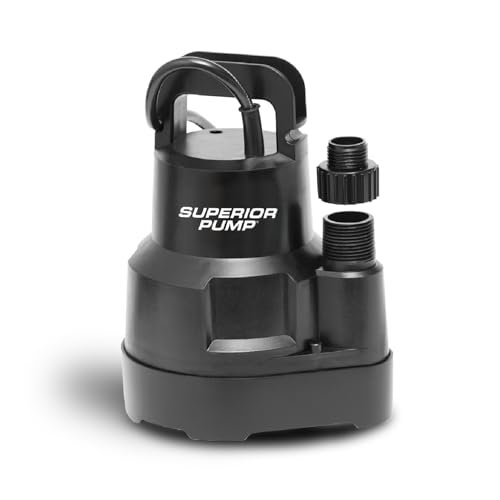 Superior Pump 91014 1/4 HP Submersible Utility Pump
Drains a pool, cover, or equipment pit when you need to lower the water. View on Amazon →
Superior Pump 91014 1/4 HP Submersible Utility Pump
Drains a pool, cover, or equipment pit when you need to lower the water. View on Amazon →
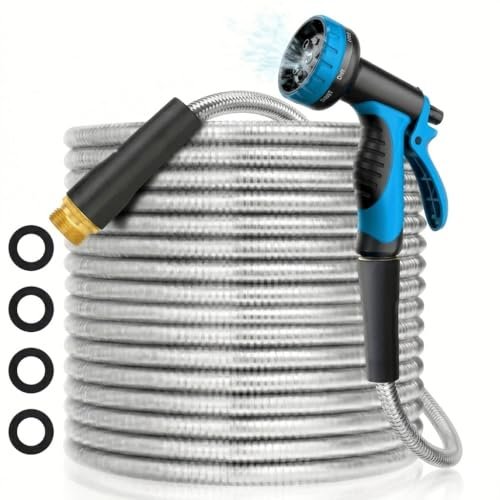 50 ft Flexible Metal Garden Hose (Kink-Free)
Durable hose for filling, priming, and rinsing equipment. View on Amazon →
50 ft Flexible Metal Garden Hose (Kink-Free)
Durable hose for filling, priming, and rinsing equipment. View on Amazon →
Still need help? Ask a Pool & Spa Expert AD
Get a personalized answer from PoolGuy810 — 30 years owning a pool and spa repair company. Describe your issue and get step-by-step help.
Related Pool Guides
Need More Help?
Try our free pool calculators and tools to help diagnose and fix your pool problems.
Browse Pool ToolsSLAM calculator, pH calculator, salt dosing & more