
How Long Do Pool Liners Last? Lifespan & Replacement Guide

When should I expect to replace my pool liner? How long do they last?
Read full question
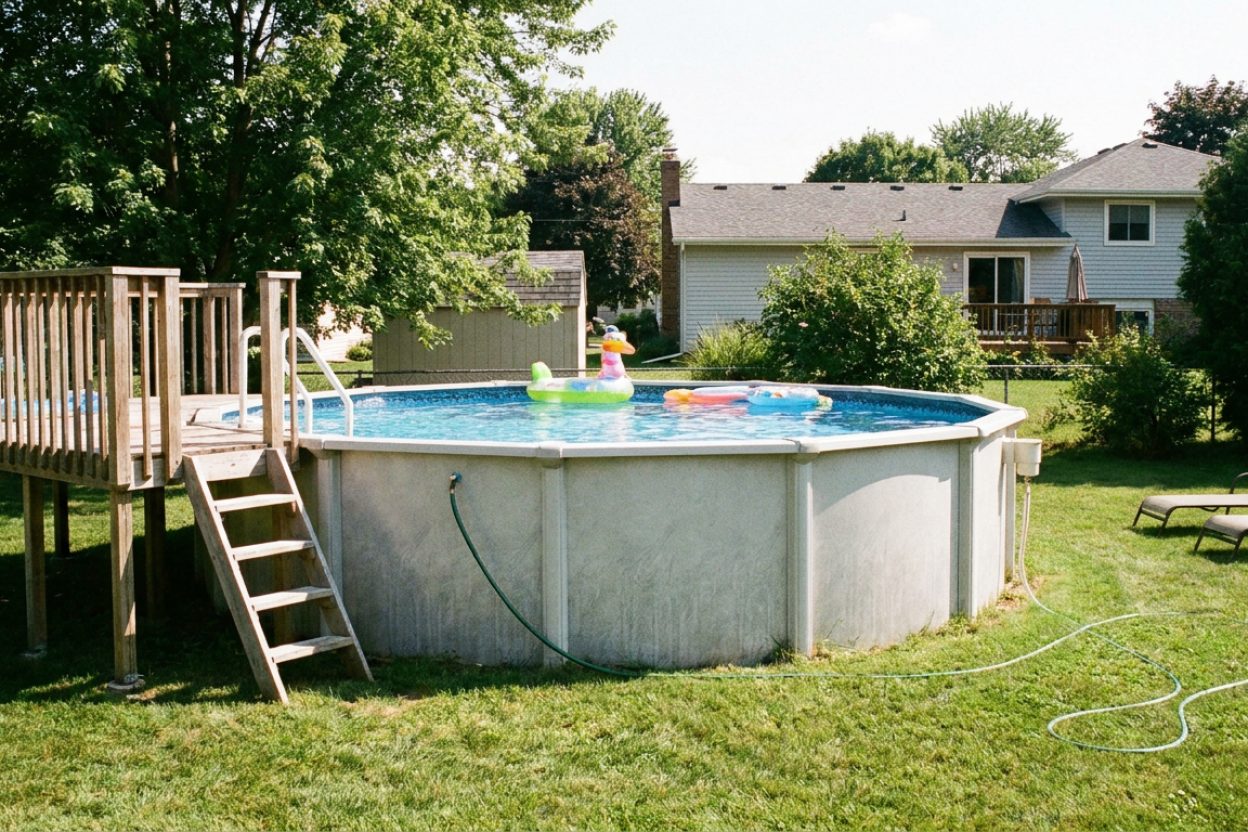
Staring at my pool liner that I replaced last summer, wondering if I chose the wrong thickness — did I mess this up or how long should this thing actually last? My above-ground pool is about 4 years old now with the original vinyl liner, and I want to know what kind of lifespan I should expect before needing a replacement.
I've been pretty good about maintaining proper water chemistry - keeping pH between 7.2-7.6 and chlorine around 1-3 ppm. The pool gets full sun most of the day during summer, and I'm wondering if the UV exposure will shorten the liner's life significantly. Are there things I can do now to extend how long it lasts, or is replacement just inevitable after a certain number of years regardless of maintenance?
Quick Answer
Pool liners typically last 6-10 years for above-ground pools, with vinyl liners averaging 8-10 years. Proper water chemistry, UV protection, and regular maintenance can significantly extend liner lifespan.
Factors That Determine Pool Liner Lifespan
Liner Material and Thickness
The gauge (thickness) of your vinyl liner plays a crucial role in longevity. Above-ground liners are usually sold by gauge (commonly 20-25 gauge, roughly 20 mil), while inground liners are measured in mil (20, 27/28, and 30 mil). A thinner liner typically lasts 6-8 years while a thicker one can reach 10-12 years — but installation quality matters as much as thickness, and a properly installed thinner liner can outlast a poorly installed thicker one with proper care. Premium liners with UV inhibitors and reinforced seams can extend this even further.
Water Chemistry Impact
Proper water balance is the single most important factor in liner longevity. Maintaining pH between 7.4-7.6 and total alkalinity between 80-120 ppm prevents premature liner degradation. High pH (above 7.8) causes liner materials to become brittle and fade, while low pH (below 7.0) is corrosive and can wrinkle or degrade the liner.
Keep free chlorine levels appropriate for your CYACyanuric Acid (stabilizer) — Sunscreen for your chlorine — it keeps sunlight from burning it off. The catch: the more you have, the more chlorine you need to keep. learn more → (stabilizer) level using the FC/CYAFC/CYA chart — The chart that sets your chlorine target from your stabilizer (CYA) level — the two go together. see the chart → relationship - typically 4-6 ppm for most pools with 30-50 ppm stabilizer. Avoid shocking directly against the liner; always pre-dissolve chemicals in a bucket of pool water first.
Sun and Weather Exposure
UV rays are a liner's biggest enemy. Pools with southern exposure or minimal shade typically see 20-30% shorter liner life. Consider installing a pool cover when not in use - this single step can extend liner life by 2-3 years while also reducing chemical consumption.
Signs Your Pool Liner Needs Replacement
Visual Indicators
- Fading and bleaching: Significant color loss, especially in sun-exposed areas
- Cracking or brittleness: Liner feels stiff or shows hairline cracks
- Wrinkles that won't smooth: Permanent wrinkles indicate liner shrinkage
- Staining that won't clean: Deep-set stains that resist chemical treatment
- Thin spots or transparency: Areas where you can see through the liner
Structural Problems
Small tears or punctures can often be patched, but multiple repairs or tears larger than 2-3 inches typically indicate it's replacement time. Seam separation is particularly concerning and difficult to repair permanently.
If your liner is pulling away from the coping or bead receiver, this suggests significant shrinkage and usually means replacement is needed within the next season.
Extending Your Pool Liner's Life
Water Chemistry Maintenance
Test water 2-3 times per week during swimming season using a quality test kit like the Taylor K-2006. Address chemical imbalances immediately - don't let them persist for days or weeks.
When adding chemicals, always brush them in gently and avoid letting undissolved granules sit on the liner. For calcium hypochlorite shock, pre-dissolve completely and add during evening hours to prevent bleaching.
Physical Protection
Remove sharp objects, toys, and pool equipment promptly after use. Trim pet nails before allowing them in the pool. When vacuuming, move the vacuum head slowly to avoid scratching or tearing.
During winter months in northern climates, maintain proper water level (typically 4-6 inches below skimmer) and use a quality winter cover to prevent UV damage and debris accumulation.
When to Plan for Replacement
Start planning for liner replacement when your current liner reaches the 7-8 year mark, even if it looks good. This gives you time to budget (expect $800-1500 for most above-ground pools) and schedule installation during optimal weather.
Don't wait until you have a major failure - emergency liner replacements often cost 20-30% more and may require rushed installation in poor weather conditions.
Seasonal Timing
Plan replacement for late spring or early summer when water temperatures are moderate (65-75°F). Liners install more easily in warm weather but extreme heat can make handling difficult.
Warning: Never attempt to stretch an oversized liner to fit your pool - this creates stress points that lead to premature failure. Always purchase the exact size liner for your pool dimensions.
For the full breakdown of safe chlorine levels by CYA level, see our pool water chemistry guide or use our all-in-one pool calculator.
Still need help? Ask a Pool & Spa Expert AD
Get a personalized answer from PoolGuy810 — 30 years owning a pool and spa repair company. Describe your issue and get step-by-step help.
Related Pool Guides
Need More Help?
Try our free pool calculators and tools to help diagnose and fix your pool problems.
Browse Pool ToolsSLAM calculator, pH calculator, salt dosing & more