
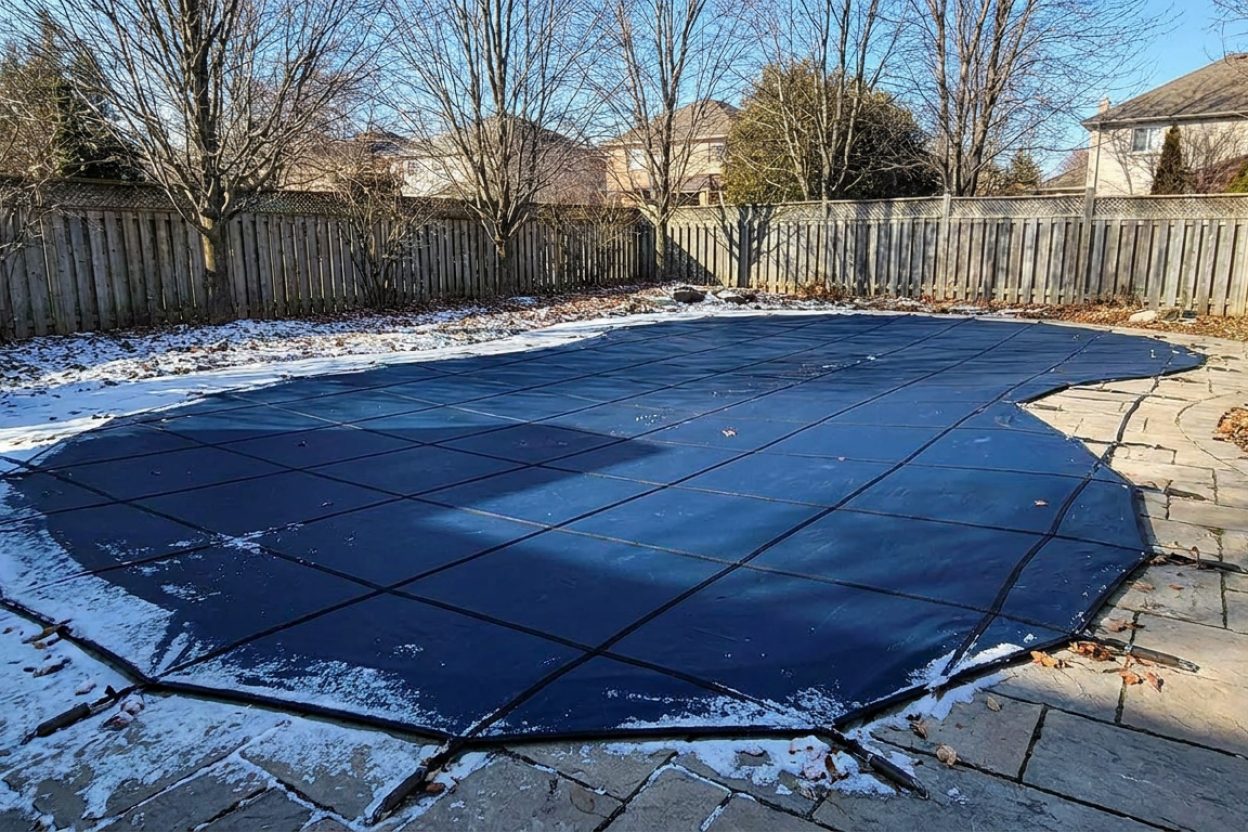
Do I Need Pool Closing Chemicals? Complete Winter Guide

What chemicals do I actually need to close my pool for winter?
Read full question
Staring at my pool after that brutal cold snap hit last week, I'm scrambling to winterize but drowning in conflicting advice about which chemicals I actually need. Some people say I need a whole arsenal of closing chemicals, others tell me just throw a tarp on it and call it good.
I really don't want to deal with a swamp when I open it back up in spring, but I also don't want to buy a bunch of stuff I don't actually need. What are the must-have chemicals for winterizing? I've heard about algaecide and antifreeze but not sure what else or if those are even necessary.
Quick Answer
Pool closing chemicals are essential for preventing algae growth, protecting equipment, and maintaining water quality during winter months. The key chemicals include winter algaecide, pool antifreeze, and maintaining proper sanitizer levels. Proper winterization ensures your pool opens clean and clear next season.
Step-by-Step Pool Closing Chemical Process
- Balance Your Water Chemistry First
Before adding any closing chemicals, test and adjust your water chemistry. Use a reliable test kit like the Taylor K-2006 to measure:- pH: Adjust to 7.2-7.6 using muriatic acid to lower or sodium carbonate to raise
- Total Alkalinity: Target 80-120 ppm for most pools
- Calcium Hardness: Aim for 250-350 ppm for plaster/concrete pools, 175-225 ppm for vinyl/fiberglass pools
- Free Chlorine: Should be 4-6 ppm before adding closing chemicals (use the all-in-one pool calculator to find the right FCFree Chlorine — The chlorine actively sanitizing your water right now. This is the number you keep an eye on. how much you need → for your CYACyanuric Acid (stabilizer) — Sunscreen for your chlorine — it keeps sunlight from burning it off. The catch: the more you have, the more chlorine you need to keep. learn more →)
- Shock the Pool 24-48 Hours Before Closing
Add liquid chlorine or calcium hypochlorite shock to achieve the shock level for your CYA (about 40% of CYA). This eliminates any bacteria or organic contaminants that could cause problems during winter. Raise free chlorine to shock level for your CYA (our all-in-one pool calculator sizes the dose). Allow the chlorine level to drop to 4-6 ppm before proceeding to the next step (typically 24-48 hours depending on sun exposure and temperature). - Add Winter Algaecide
Apply a high-quality winter algaecide. A non-metallic polyquat such as Leslie's Algae Control (60% polyquat) provides long-lasting protection without adding staining copper to your water. Copper-based winter algaecides like BioGuard Arctic Blue Algae Protector also work but should be used with caution if you have metal-staining concerns. Follow the manufacturer's dosage instructions, typically 1 quart per 15,000-20,000 gallons. Add the algaecide with the pump running and circulate for at least 2 hours to ensure even distribution. - Blow Out Plumbing Lines
Before adding antifreeze, use a shop vac or air compressor to blow water out of all plumbing lines - skimmers, returns, main drains, and any accessories. This is the most critical freeze protection step. Water left in pipes will freeze and crack them regardless of antifreeze. - Apply Pool Antifreeze to Plumbing Lines (Optional)
After blowing out lines, you may optionally add pool antifreeze (propylene glycol) as backup protection only for a line that could not be fully cleared. Follow the product label for use. Never use automotive antifreeze, which is toxic and will damage your pool equipment. - Add Enzyme Products (Optional but Recommended)
Enzyme-based products like Natural Chemistry Pool Perfect break down organic contaminants that accumulate during winter. Add according to package directions, typically 1 liter per 20,000 gallons. This step helps prevent waterline scum and reduces spring cleanup. - Consider a Winter Chemical Kit
Many manufacturers offer complete winter closing kits that include algaecide, oxidizer, and metal sequestrant. These kits are sized for different pool volumes and take the guesswork out of chemical selection. Popular options include the In The Swim Winterizing Kit or the Pool Mate Winter Chemical Kit.
Regional Considerations for Closing Chemicals
Cold Climate Pools (Hard Freeze Areas)
In regions where temperatures consistently drop below 32°F, you'll need more aggressive winterization:
- Use maximum dosage of winter algaecide
- Ensure complete plumbing protection by blowing out and plugging all lines
- Consider adding a metal sequestrant if you have hard water
- Lower water level below skimmer and blow out all lines
Mild Climate Pools (Occasional Freeze)
In warmer regions with occasional freezing, you can use lighter chemical treatments:
- Standard algaecide dosage may be sufficient
- Focus antifreeze on exposed plumbing only
- Maintain higher water levels if no freeze risk
- Consider keeping equipment running during cold snaps
Critical Safety and Application Tips
Never mix pool chemicals together. Add each chemical separately with the pump running, allowing 2-4 hours between different chemical additions. Always add chemicals to water, never water to chemicals, and wear appropriate safety equipment including goggles and gloves.
Test your water chemistry again 24-48 hours after adding closing chemicals to ensure everything is properly balanced. Make final adjustments before completely shutting down your circulation system.
What Happens If You Skip Closing Chemicals
Pools closed without proper chemicals often experience:
- Severe algae blooms that require extensive SLAMShock Level And Maintain — raise free chlorine to a target based on your CYA and hold it there until the algae is gone. It's a process, not a one-time dose. the SLAM walkthrough → treatment in spring
- Metal staining from unbalanced water chemistry
- Scale buildup on pool surfaces and equipment
- Freeze damage to inadequately protected plumbing
- Significantly higher opening costs and chemical requirements
The relatively small investment in closing chemicals saves hundreds of dollars in spring cleanup and potential equipment repairs. Proper winterization with the right chemicals ensures your pool opens clear, clean, and ready for another swimming season.
For the full breakdown of safe chlorine levels by CYA level, see our pool water chemistry guide.
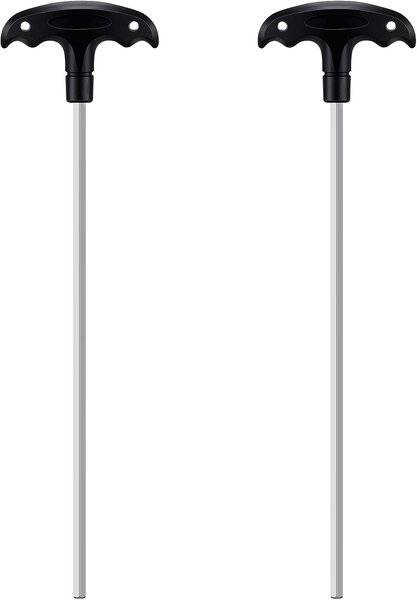 Pool Safety Cover Hex Key Tool (2-Pack)
Hex keys to install or remove a pool safety cover. View on Amazon →
Pool Safety Cover Hex Key Tool (2-Pack)
Hex keys to install or remove a pool safety cover. View on Amazon →
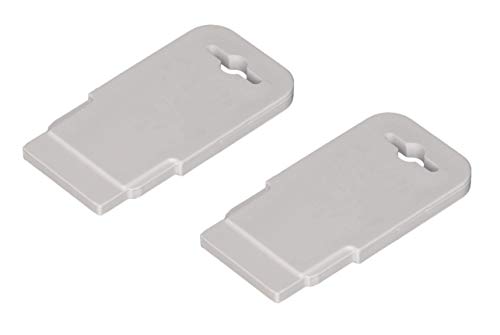 Pool Eyeball / Return Jet Fitting Removal Tool (ATIE)
Pops out & reseats Hayward SP1419 return-jet eyeballs — handy for closing. View on Amazon →
Pool Eyeball / Return Jet Fitting Removal Tool (ATIE)
Pops out & reseats Hayward SP1419 return-jet eyeballs — handy for closing. View on Amazon →
 Taylor K-2006C Complete FAS-DPD Pool & Spa Test Kit
The FAS-DPD kit pool pros trust — reads chlorine accurately even at shock/SLAM levels, plus pH, alkalinity, calcium hardness and CYA. View on Amazon →
Taylor K-2006C Complete FAS-DPD Pool & Spa Test Kit
The FAS-DPD kit pool pros trust — reads chlorine accurately even at shock/SLAM levels, plus pH, alkalinity, calcium hardness and CYA. View on Amazon →
 PolyQuat 60 Algaecide (Non-Foaming)
Non-foaming, copper-free backup View on Amazon →
PolyQuat 60 Algaecide (Non-Foaming)
Non-foaming, copper-free backup View on Amazon →
Still need help? Ask a Pool & Spa Expert AD
Get a personalized answer from PoolGuy810 — 30 years owning a pool and spa repair company. Describe your issue and get step-by-step help.
Related Pool Guides
Need More Help?
Try our free pool calculators and tools to help diagnose and fix your pool problems.
Browse Pool ToolsSLAM calculator, pH calculator, salt dosing & more