
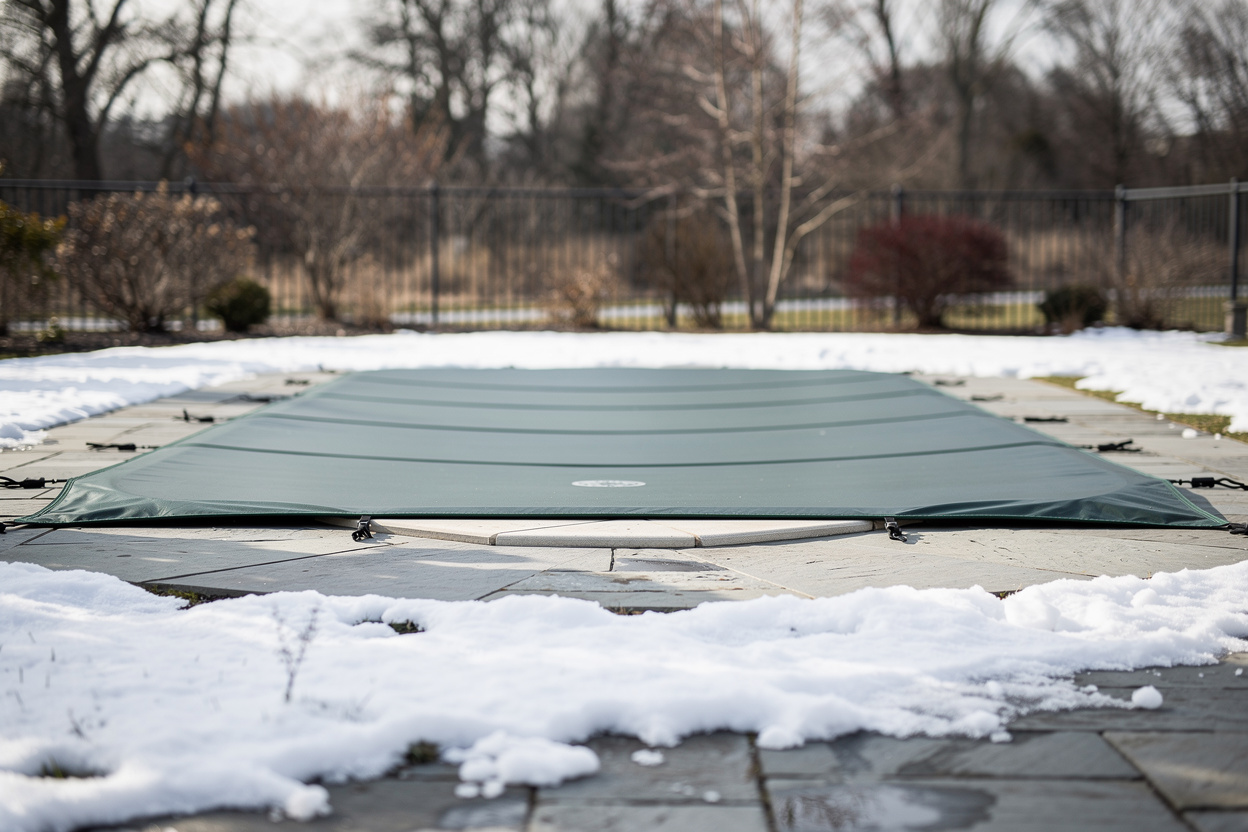
Can You Close a Pool Without a Cover? Winterizing Steps

Closing pool for winter - do I really need a cover?
Read full question
Planning to winterize my pool this year but my cover is doing something completely bizarre — it's literally disintegrating into shreds every time the wind picks up. Is it possible to winterize my pool without one? What extra steps would I need to take to keep it maintained through the cold months?
Quick Answer
You can close a pool without a cover, but it requires more frequent chemical monitoring, debris removal, and equipment protection. The pool will need regular maintenance throughout winter. Proper water chemistry preparation, equipment protection, and periodic checks are crucial for successful winterization without a cover.
Step-by-Step Pool Closing Without a Cover
Phase 1: Water Chemistry Preparation
- Test and balance your water chemistry 3-5 days before closing. Use a Taylor K-2006 test kit for accurate readings. Target pH between 7.4-7.6, total alkalinity 80-120 ppm, and calcium hardness 250-350 ppm for plaster/concrete pools and 175-225 ppm for vinyl or fiberglass pools.
- Shock the pool to SLAMShock Level And Maintain — raise free chlorine to a target based on your CYA and hold it there until the algae is gone. It's a process, not a one-time dose. the SLAM walkthrough → level. Add liquid chlorine to achieve the shock level for your CYACyanuric Acid (stabilizer) — Sunscreen for your chlorine — it keeps sunlight from burning it off. The catch: the more you have, the more chlorine you need to keep. learn more → (about 40% of CYA). For pools with CYA 30-50 ppm, this is 12-20 ppm free chlorine. This eliminates any organic contaminants before winter.
- Add winterizing chemicals 24 hours after shocking. Use a quality winter chemical kit containing algaecide (non-copper based), stain and scale preventer, and enzyme treatment. Follow manufacturer's dosing instructions based on your pool volume.
- Maintain chlorine levels at 4-6 ppm until adding winterizing chemicals. Without a cover, your pool will continue losing chlorine to UV rays until the sun's intensity decreases significantly.
Phase 2: Equipment and Plumbing Protection
- Lower water level to about 6-12 inches below the skimmer opening (around 12 inches for an uncovered pool exposed to precipitation, and for vinyl-liner or fiberglass pools do not go below the return lines). This is critical in freeze-prone areas as it prevents ice damage to skimmer and return lines. In warmer climates, you may only need to lower it 4-6 inches below the skimmer.
- Drain all pool equipment completely. Remove drain plugs from your pump, filter, heater, and chlorinator. Store these plugs in the pump basket so you don't lose them. Blow out any remaining water using a shop vacuum or air compressor.
- Blow out plumbing lines using a powerful air compressor. Start with skimmer lines, then main drains, and finally return lines. Seal each line with winter plugs (winter skimmer plugs for skimmers, rubber plugs for returns) after achieving a strong air flow.
- Add pool antifreeze to plumbing lines in freeze-prone areas. Use only propylene glycol-based pool antifreeze, never automotive antifreeze. Add about 1 gallon per 10 feet of line (roughly 1–2 gallons per line) depending on length and diameter.
- Remove and store removable equipment. Take out ladder, diving board, pool cleaner, skimmer baskets, and return fittings. Clean and store in a dry location.
Phase 3: Special Considerations for Uncovered Pools
- Install a winter skimmer guard or ice compensator. These devices absorb ice expansion pressure and prevent skimmer damage. Essential for uncovered pools in freezing climates.
- Add extra winterizing algaecide. Uncovered pools receive more organic debris and sunlight penetration. Use 1.5x the recommended algaecide dosage for your pool size (applies to long-lasting, winter-specific algaecides only - check manufacturer specifications).
- Install pool pillows or ice compensators if applicable. For above-ground pools, place air pillows in the center to absorb ice expansion. In-ground pools benefit from floating ice equalizers around the perimeter.
- Plan for increased spring cleanup. Without a cover, expect significant debris accumulation, potential algae growth, and more extensive opening procedures.
Winter Maintenance for Uncovered Pools
Monthly Monitoring Tasks
Uncovered pools require periodic attention throughout winter, especially in milder climates where bacteria and algae can remain active.
- Check water level monthly - Add water if it drops below the recommended level due to evaporation
- Remove large debris as needed during monthly checks - Leaves and branches can create staining and provide nutrients for algae growth
- Test chlorine levels in mild weather - Add liquid chlorine if free chlorine drops below the minimum for your CYA (often around 2-4 ppm) during warm winter spells
- Inspect equipment protection - Ensure plugs remain secure and covers are protecting equipment
Pros and Cons of Closing Without a Cover
Advantages
- Lower upfront costs - no need to purchase expensive pool covers
- Easier access for maintenance and equipment checks
- No cover maintenance, cleaning, or storage requirements
- Suitable for mild climates with minimal freezing
Disadvantages
- Increased chemical usage throughout winter
- More debris accumulation requiring spring cleanup
- Higher evaporation rates requiring water addition
- Greater risk of algae growth in warmer periods
- More complex spring opening procedures
Safety Warnings
Never drain your pool completely without professional guidance. Empty pools can pop out of the ground due to hydrostatic pressure, especially during heavy rains or high water tables.
Use only propylene glycol pool antifreeze - automotive antifreeze is toxic and will damage your pool surfaces and equipment.
Ensure proper electrical disconnection - Turn off power to all pool equipment at the breaker before beginning winterization procedures.
Closing a pool without a cover is entirely feasible with proper preparation and realistic expectations about ongoing maintenance needs. The key is thorough chemical preparation, complete equipment protection, and understanding that you'll need to monitor the pool periodically throughout winter.
For the full breakdown of safe chlorine levels by CYA level, see our pool water chemistry guide, or use our free all-in-one pool calculator to estimate the right free chlorine for your CYA.
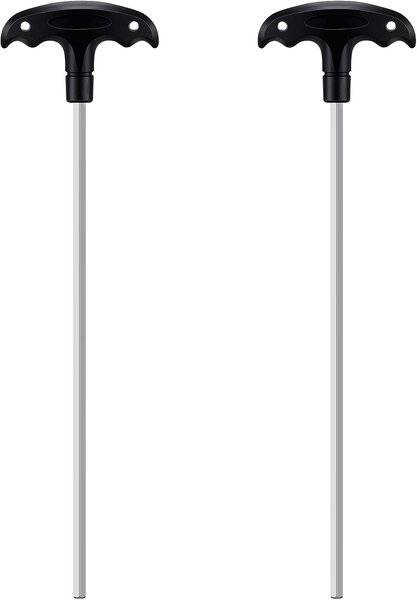 Pool Safety Cover Hex Key Tool (2-Pack)
Hex keys to install or remove a pool safety cover. View on Amazon →
Pool Safety Cover Hex Key Tool (2-Pack)
Hex keys to install or remove a pool safety cover. View on Amazon →
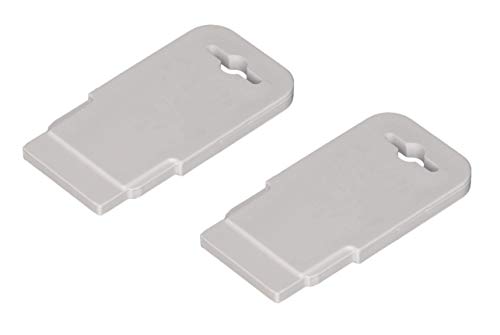 Pool Eyeball / Return Jet Fitting Removal Tool (ATIE)
Pops out & reseats Hayward SP1419 return-jet eyeballs — handy for closing. View on Amazon →
Pool Eyeball / Return Jet Fitting Removal Tool (ATIE)
Pops out & reseats Hayward SP1419 return-jet eyeballs — handy for closing. View on Amazon →
 Taylor K-2006C Complete FAS-DPD Pool & Spa Test Kit
The FAS-DPD kit pool pros trust — reads chlorine accurately even at shock/SLAM levels, plus pH, alkalinity, calcium hardness and CYA. View on Amazon →
Taylor K-2006C Complete FAS-DPD Pool & Spa Test Kit
The FAS-DPD kit pool pros trust — reads chlorine accurately even at shock/SLAM levels, plus pH, alkalinity, calcium hardness and CYA. View on Amazon →
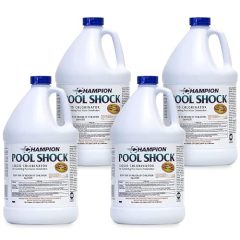 Liquid Chlorine / Sodium Hypochlorite (12.5%)
Everyday sanitizer — the B in BBB View on Amazon →
Liquid Chlorine / Sodium Hypochlorite (12.5%)
Everyday sanitizer — the B in BBB View on Amazon →
Still need help? Ask a Pool & Spa Expert AD
Get a personalized answer from PoolGuy810 — 30 years owning a pool and spa repair company. Describe your issue and get step-by-step help.
Related Pool Guides
Need More Help?
Try our free pool calculators and tools to help diagnose and fix your pool problems.
Browse Pool ToolsSLAM calculator, pH calculator, salt dosing & more