
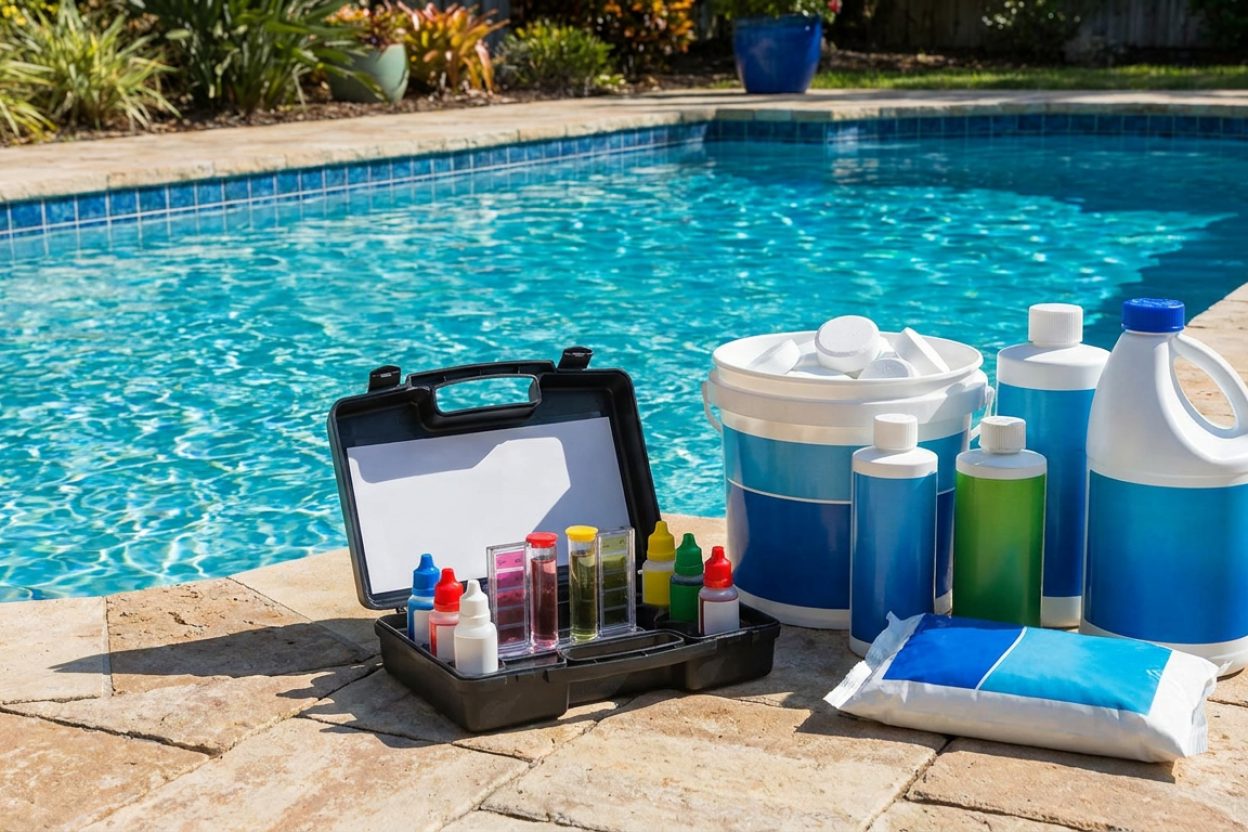
Why Pool Alkalinity Gets High: 7 Common Causes Explained

What causes pool alkalinity to spike? Safe for kids to swim?
Read full question
Replaced my pool test strips last month but my 3-year-old liquid test kit is still showing crazy high alkalinity readings — time for a new kit? My kids swim almost daily during summer, so I want to make sure the water is safe for them.
I've been trying to figure out what might be making the alkalinity rise so I can prevent it from happening again. Is it something I'm adding to the pool? Could it be our new fountain feature? I just want to understand the common causes so I can keep the water balanced and safe for my family.
Quick Answer
Pool alkalinity typically rises due to fresh fill water with high alkalinity, adding pH increasers or certain sanitizers, runoff carrying alkaline minerals, and evaporation concentrating existing alkalinity. (Aeration and algae raise pH, not total alkalinity.)
One thing to check first: how old is your test kit? Liquid reagents expire in about 1-2 years, and a 3-year-old kit can give false-high alkalinity readings. Replace the reagents and retest before chasing causes.
Step-by-Step Breakdown of Alkalinity Increases
- Test your source water first - Before diagnosing pool issues, test your tap or well water with a reliable test kit like the Taylor K-2006C. Many municipal water supplies maintain alkalinity between 80-150 ppm, while well water can exceed 200 ppm. If your source water has high alkalinity, every gallon added to your pool introduces more alkaline compounds.
- Identify recent chemical additions - Review what chemicals you've added in the past week. Sodium bicarbonate (baking soda) directly raises total alkalinity. Sodium carbonate (soda ash) primarily raises pH but also increases alkalinity. Even some calcium hypochlorite shock products contain alkaline compounds.
- Examine water movement and aeration - Excessive splashing, fountains, waterfalls, and spa jets introduce carbon dioxide exchange with the atmosphere. This process, called outgassing, removes CO2 from water and drives pH up, but doesn't affect total alkalinity. Pool parties with heavy bather loads also increase agitation.
- Check for algae or biological activity - Green water or visible algae growth consumes carbon dioxide during photosynthesis, similar to aeration effects. This biological process raises pH and can affect alkalinity test readings without actually increasing total alkalinity. Dead algae decomposition can also release alkaline compounds back into the water.
- Assess recent weather patterns - Heavy rainfall introduces whatever alkalinity exists in your local precipitation. While rainwater itself is typically low in alkalinity, runoff from concrete decking, limestone aggregate, or alkaline soil can carry high-alkalinity water into your pool during storms.
- Evaluate equipment and surfaces - New plaster surfaces leach calcium carbonate for several months, raising both calcium hardness and alkalinity. Calcium hypochlorite feeders, if over-dosed, contribute alkaline compounds. Even some pool salt brands contain trace alkaline minerals that accumulate over time.
- Consider evaporation concentration effects - While evaporation doesn't create alkalinity, it concentrates existing alkaline compounds. If you're regularly topping off with high-alkalinity water without testing, the alkalinity gradually climbs even if your original pool water was balanced.
Chemical Interactions That Raise Alkalinity
Understanding the relationship between pH and alkalinity helps explain sudden increases. When pH rises above 7.8, the carbonate/bicarbonate equilibrium shifts, but your standard alkalinity test (measuring to pH 4.5 endpoint) will show the same total alkalinity reading since it measures the same buffering capacity.
Calcium hypochlorite shock (cal-hypo) deserves special attention because many pool owners don't realize it raises pH and alkalinity significantly. Cal-hypo also nudges alkalinity up while adding substantial calcium. Using liquid chlorine (sodium hypochlorite) instead prevents this alkalinity increase.
Source Water Complications
Municipal water treatment plants often maintain higher alkalinity as a corrosion control measure for pipe systems. This means every time you add water for evaporation replacement, you're introducing alkaline compounds. Well water passing through limestone formations frequently shows alkalinity levels exceeding 200 ppm.
Safety Warning: Never attempt to lower alkalinity by adding large amounts of muriatic acid at once. The acid-alkalinity reaction releases a little carbon dioxide; add acid in stages and retest, mainly to avoid overshooting and dropping pH too far.
Seasonal and Environmental Factors
Summer months typically show higher alkalinity increases due to increased evaporation rates, more frequent chemical additions, and higher bather loads. Pool equipment running longer hours increases water circulation and aeration. Automatic pool cleaners and in-floor cleaning systems also contribute to water agitation.
Geographic location matters significantly. Pools in areas with limestone geology, high-alkalinity municipal water, or frequent dust storms containing alkaline minerals experience more alkalinity drift than pools in areas with naturally soft water.
Prevention and Monitoring
Test alkalinity weekly using a quality test kit, not just test strips which can be inaccurate for alkalinity readings. Track your source water alkalinity seasonally, as municipal supplies often change treatment protocols. Consider using liquid chlorine instead of cal-hypo shock to minimize alkalinity increases.
Maintain proper water balance using the LSI (Langelier Saturation Index) to understand how alkalinity interacts with pH, calcium hardness, and temperature. This prevents both alkalinity problems and related issues like scale formation or surface etching.
For the full breakdown of safe chlorine levels by CYACyanuric Acid (stabilizer) — Sunscreen for your chlorine — it keeps sunlight from burning it off. The catch: the more you have, the more chlorine you need to keep. learn more → level, see our pool water chemistry guide.

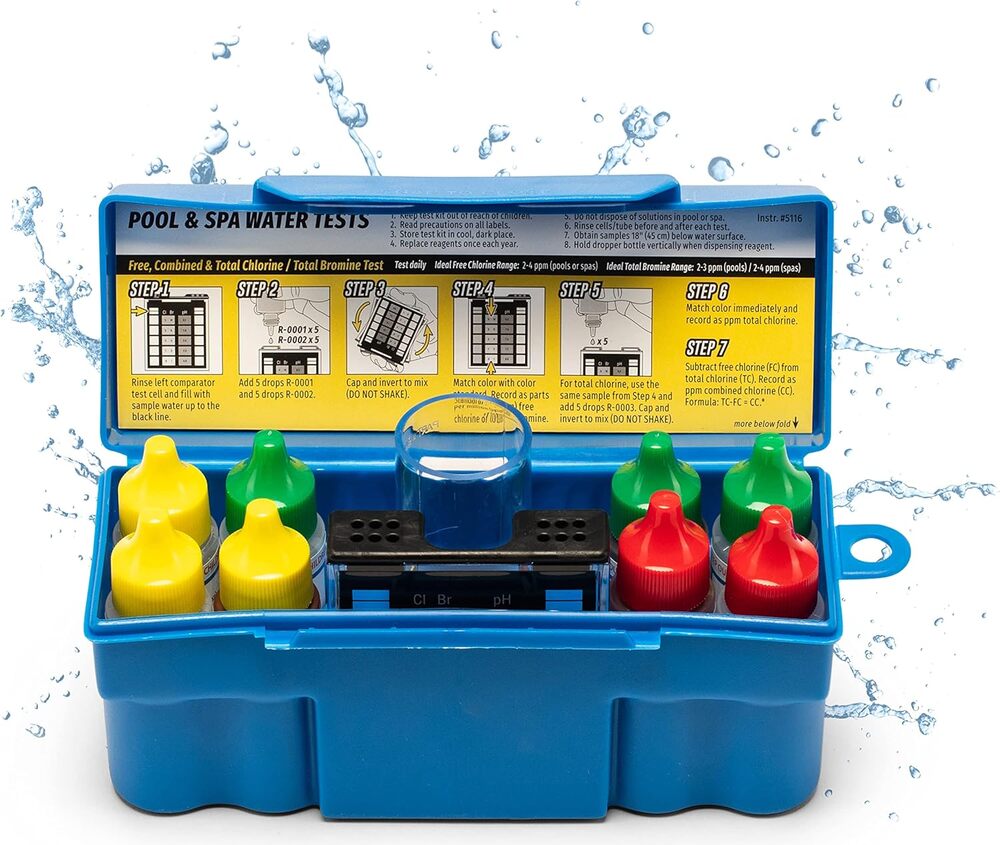
Still need help? Ask a Pool & Spa Expert AD
Get a personalized answer from PoolGuy810 — 30 years owning a pool and spa repair company. Describe your issue and get step-by-step help.
Related Pool Guides
Need More Help?
Try our free pool calculators and tools to help diagnose and fix your pool problems.
Browse Pool ToolsSLAM calculator, pH calculator, salt dosing & more