
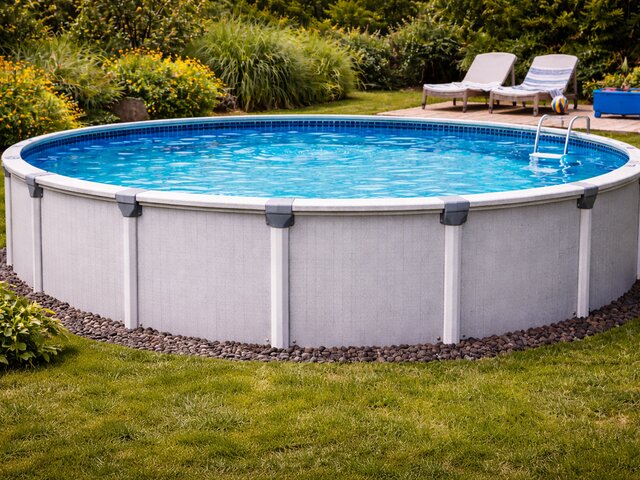
When to Replace Above Ground Pool Liner - Signs & Diagnosis

Is my pool liner safe for kids? Signs it needs replacing?
Read full question
Already patched my above ground pool liner twice this season for faded edges and tears, but we're still losing water and I'm done guessing what's causing it. The liner is probably around 8-10 years old now.
With summer here and the kids wanting to swim every day, I need to know what warning signs mean the liner needs to be replaced versus what can be safely patched. I'm especially concerned about water quality and whether a deteriorating liner could affect the safety of the swimming environment. What should I be looking for to determine if we need a full liner replacement?
Quick Answer
To determine if you need a new pool liner, inspect for tears, fading, stretching, wrinkles, or frequent water loss. Minor damage can often be patched, but extensive deterioration, multiple leaks, or liners beyond about 8-10 years old typically require full replacement.
First, Let's Diagnose Your Liner's Condition
Before deciding on replacement, we need to systematically evaluate your liner's current state. The key is distinguishing between repairable damage and end-of-life deterioration that warrants full replacement.
Visual Inspection Checklist
Start with a thorough visual examination of your entire liner, both above and below the waterline:
- Tears and holes: Look for obvious punctures, especially around steps, ladders, and skimmer areas
- Fading and discoloration: Check for significant color loss, bleaching, or permanent staining
- Stretching: Examine areas around return fittings and skimmer for pulled or distorted material
- Wrinkles: Note any permanent creases that won't smooth out when you push them
- Brittleness: Gently feel the liner material - healthy vinyl should be flexible, not stiff or cracking
- Bead track issues: Check if the liner is pulling away from the coping or bead receiver
Water Loss Assessment
Perform a simple bucket test to determine if water loss is due to liner leaks or evaporation. Fill a bucket with pool water and place it on your pool step, marking water levels in both the bucket and pool. After 24 hours, if the pool level dropped more than the bucket, you have a leak.
Normal evaporation ranges from 1/4 to 1/2 inch per week depending on temperature, humidity, and wind. Consistent loss exceeding this indicates liner damage.
Repair vs. Replace Decision Matrix
When You Can Repair
Consider patching if you have:
- Single small tears (under 2 inches) in accessible areas
- Minor punctures from pool toys or debris
- Good overall liner condition with isolated damage
- Liner less than 7 years old with proper chemical maintenance history
Use underwater vinyl repair patches available from manufacturers like Pool Patch or Boxer Adhesives. Clean the area thoroughly, apply according to manufacturer instructions, and allow 48 hours cure time before use.
When You Need Full Replacement
Replace your liner when you encounter:
- Multiple leak points: More than 3-4 separate areas requiring patches
- Large tears: Damage exceeding 3-4 inches or L-shaped tears
- Liner age: around 8-10+ years old AND showing other deterioration - age raises failure risk, but a sound, well-maintained liner can last 8-12 years and doesn't need replacing on age alone
- Permanent stretching: Distortion around fittings that creates ongoing stress points
- Severe fading: Color loss affecting over 50% of the liner surface
- Chemical damage: Brittleness, cracking, or deterioration from poor water balance
- Bead track failure: Liner consistently pulling away from coping
Chemical History Impact
Your water maintenance history significantly affects liner lifespan. Poor chemical balance accelerates deterioration:
pH problems: Liner fading is mainly driven by chlorine/UV exposure rather than high pH; low pH (below 7.2) is corrosive and can make vinyl brittle and prone to cracking, while high pH mainly causes scaling. Keep pH in the 7.2-7.8 range.
Chlorine issues: Excessive chlorine levels or using trichlor tablets directly in skimmers creates acidic conditions that damage vinyl. Always maintain proper FC/CYAFC/CYA chart — The chart that sets your chlorine target from your stabilizer (CYA) level — the two go together. see the chart → ratios using the all-in-one pool calculator for an estimate of the free chlorine for your CYACyanuric Acid (stabilizer) — Sunscreen for your chlorine — it keeps sunlight from burning it off. The catch: the more you have, the more chlorine you need to keep. learn more → level.
Calcium hardness: Calcium isn't required for a vinyl liner - per TFP, roughly 0-350 ppm is fine and low CH won't harm the liner (very soft water can just cause foaming). Liner wrinkling or brittleness comes from low pH, not low calcium; only very high CH leaves scale on equipment.
Is an aging liner safe for kids? A worn or leaking vinyl liner is a structural and water-loss problem, not a sanitation hazard in itself - as long as the water is properly balanced and sanitized, a patched pool is safe to swim in. The real safety concerns are leaks undermining the base or footing and torn material near steps or ladders, so address those promptly.
Professional Assessment Indicators
Contact a pool professional for evaluation if you notice:
- Recurring leaks after multiple patch attempts
- Structural issues with pool walls or bottom
- Liner installation problems (incorrect size, poor initial fitting)
- Uncertainty about leak location despite obvious water loss
Cost Considerations
Factor replacement costs against ongoing repair expenses. If annual patch costs exceed 20-30% of replacement cost, or you're patching the same liner multiple times per season, replacement becomes economically sensible.
Quality replacement liners from manufacturers like Swimline or Blue Wave typically cost $200-600 depending on pool size and thickness (20 mil or 25 mil depending on pool requirements). Professional installation adds $300-800 to total costs.
Preventive Measures for New Liners
Once you determine replacement is necessary, protect your investment:
- Maintain proper water chemistry using Taylor K-2006 test kit
- Keep FCFree Chlorine — The chlorine actively sanitizing your water right now. This is the number you keep an eye on. how much you need → levels appropriate for your CYA level (4-6 ppm for CYA 30-50, 6-8 ppm for CYA 70-80)
- Use pool-safe cleaning products only
- Remove sharp objects and avoid dragging equipment across liner
- Install protective padding under heavy equipment
- Close properly for winter in cold climates
Regular maintenance and proper chemical balance can extend liner life to 8-12 years, making replacement a predictable rather than emergency expense.
For the full breakdown of safe chlorine levels by CYA level, see our pool water chemistry guide.
Still need help? Ask a Pool & Spa Expert AD
Get a personalized answer from PoolGuy810 — 30 years owning a pool and spa repair company. Describe your issue and get step-by-step help.
Related Pool Guides
Need More Help?
Try our free pool calculators and tools to help diagnose and fix your pool problems.
Browse Pool ToolsSLAM calculator, pH calculator, salt dosing & more