
Can You Use Pool Chlorine to Clean Your House? Safety Guide

Is it safe to use pool chlorine for household cleaning?
Read full question
About to tackle some serious deep cleaning this Saturday — is it safe to just grab my leftover pool chlorine instead of buying a bunch of specialty household cleaners? The pool store keeps trying to upsell me on expensive specialty cleaners, but I've got plenty of pool chlorine sitting around. I'm wondering if I can just use some of that chlorine to clean my bathroom, kitchen counters, or other surfaces around the house instead of buying separate products.
Is this actually safe to do, or am I asking for trouble? I'd love to find a DIY solution that saves me some money, but I don't want to damage anything or create health hazards. What are the real risks here?
Quick Answer
While pool chlorine can technically clean some household surfaces, it's not recommended due to safety risks and potential damage. Household bleach or specialized cleaners are safer alternatives.
Understanding Pool Chlorine vs. Household Bleach
Pool chlorine and household bleach both contain sodium hypochlorite as their active ingredient, but they're formulated differently for their intended uses. Pool chlorine typically comes in higher concentrations - liquid pool chlorine is usually 10.5-12.5% sodium hypochlorite, while household bleach is typically 3-6%.
Contrary to a common assumption, liquid pool chlorine isn't full of extra additives — it's essentially plain sodium hypochlorite with a little salt and water. (The cyanuric acid "stabilizer" people picture is only in trichlor/dichlor tablets, not in liquid chlorine.) The real difference from household bleach is strength: pool chlorine is simply two to three times more concentrated. If anything, it's some household bleaches to watch out for — "splash-less," scented, and "outdoor" versions add thickeners, fragrances, or surfactants. So the catch with using pool chlorine for cleaning isn't mystery additives; it's that it's strong enough to need careful dilution.
Safety Concerns with Using Pool Chlorine Indoors
Pool chlorine poses several safety risks when used indoors:
- Concentration levels: Higher chlorine concentrations can damage surfaces, fade fabrics, and create dangerous fumes in enclosed spaces
- Ventilation issues: Indoor use without proper ventilation can lead to chlorine gas buildup, causing respiratory irritation
- Surface damage: Pool chlorine can bleach carpets, upholstery, and clothing more aggressively than household products
- Chemical reactions: Pool chlorine can react with household chemicals like ammonia-based cleaners, creating toxic chloramine gas
- Skin and eye irritation: Higher concentrations can cause significant skin and eye irritation
When Pool Chlorine Might Be Considered
There are very limited scenarios where pool chlorine might be used for cleaning, but only with extreme caution:
Outdoor Cleaning Applications
Pool chlorine can be diluted for outdoor cleaning tasks like:
- Disinfecting outdoor furniture (with proper dilution)
- Cleaning pool decks and concrete surfaces
- Sanitizing outdoor trash cans
- Treating mold on outdoor surfaces
Important: Always dilute pool chlorine significantly — roughly 1/2 cup of pool chlorine per gallon of water (about 1:32) for any cleaning application, and test on an inconspicuous area first.
Proper Dilution Guidelines
If you must use pool chlorine for outdoor cleaning, follow these dilution guidelines:
- Start with cool water: Fill your container with cool water first, then add the measured pool chlorine to the water (never water to chlorine) to avoid splash-back and undiluted contact, and stir gently
- Use proper ratios: For general disinfection, use no more than 1/2 cup of liquid pool chlorine to 1 gallon of water (approximately 1:32 ratio)
- Test pH levels: Pool chlorine typically has a high pH (11-13), which can be caustic
- Wear protective equipment: Use chemical-resistant gloves (nitrile preferred, or neoprene), eye protection, and ensure good ventilation
- Work in small batches: Don't mix large quantities, as chlorine solutions lose effectiveness over time
Better Alternatives for House Cleaning
Household Bleach
Regular household bleach (like Clorox) is specifically formulated for home use and is much safer than pool chlorine. It's already at an appropriate concentration and doesn't contain pool-specific additives.
Specialized Disinfectants
Consider these alternatives for different cleaning needs:
- Bathroom cleaners: Products like Scrubbing Bubbles or Lysol Bathroom Cleaner
- Kitchen sanitizers: Food-safe sanitizers or diluted household bleach
- Mold and mildew: Dedicated mold removal products like Concrobium Mold Control
- General disinfection: Isopropyl alcohol (70% concentration) or quaternary ammonium compounds
Storage and Safety Considerations
If you have both pool chemicals and household cleaners, proper storage is crucial:
- Store pool chemicals in a cool, dry place away from household cleaners
- Never mix pool chemicals with other cleaning products
- Keep pool chemicals in original containers with proper labeling
- Ensure adequate ventilation in storage areas
- Keep chemicals away from children and pets
Emergency Procedures
If accidental mixing or overexposure occurs:
- Ventilate the area immediately - open windows and doors
- Remove affected persons to fresh air
- Flush affected skin or eyes with clean water for 15+ minutes
- Remove contaminated clothing
- Seek medical attention if respiratory irritation persists
- Contact Poison Control at 1-800-222-1222 if needed
Cost and Effectiveness Comparison
From a practical standpoint, using pool chlorine for house cleaning is also less cost-effective. A gallon of liquid pool chlorine runs roughly $5-9 at retail and is far too concentrated to use without significant dilution, while regular household bleach (a few dollars a bottle, already at a convenient strength) is ready to use. Specialized cleaners, while more expensive per bottle, are formulated for specific cleaning tasks and often work more effectively than diluted chlorine solutions.
Professional Recommendations
Pool professionals and cleaning experts universally recommend against using pool chemicals for household cleaning. The risks outweigh any potential benefits, especially when safe, effective alternatives are readily available. Save your pool chlorine for its intended purpose - keeping your pool water clean and sanitized.
Remember, pool chemicals are regulated and formulated specifically for large volumes of water in outdoor environments. Your home's surfaces, ventilation, and safety requirements are entirely different from your pool's needs.
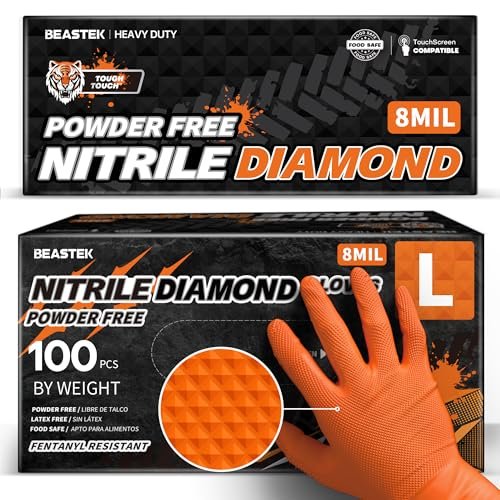 Beastek 8-mil Chemical-Resistant Nitrile Gloves
Disposable nitrile gloves for safe handling of pool chemicals. View on Amazon →
Beastek 8-mil Chemical-Resistant Nitrile Gloves
Disposable nitrile gloves for safe handling of pool chemicals. View on Amazon →
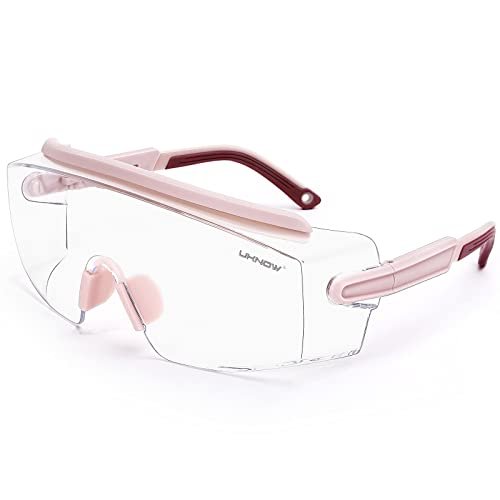 UKNOW Anti-Fog Chemical Splash Safety Goggles
Sealed splash goggles for handling muriatic acid and chlorine. View on Amazon →
UKNOW Anti-Fog Chemical Splash Safety Goggles
Sealed splash goggles for handling muriatic acid and chlorine. View on Amazon →
Still need help? Ask a Pool & Spa Expert AD
Get a personalized answer from PoolGuy810 — 30 years owning a pool and spa repair company. Describe your issue and get step-by-step help.
Related Pool Guides
Need More Help?
Try our free pool calculators and tools to help diagnose and fix your pool problems.
Browse Pool ToolsSLAM calculator, pH calculator, salt dosing & more