
Can I Use Pool Chlorine Tablets in My Toilet? Safety Guide

Is it safe to put pool chlorine tablets in my toilet tank?
Read full question
Standing in my garage with a bucket of leftover trichlor tablets from last season and wondering if these can pull double duty as toilet bowl cleaners. My thinking is that chlorine is chlorine, right? I've seen those blue toilet bowl tablets that slowly dissolve and keep things clean, so I figured maybe I could just drop one of my 3-inch pool tablets in the tank to do the same thing.
Before I try this, I want to make sure it's actually safe for my plumbing and won't cause any problems. Are pool chlorine tablets too strong for toilet use? I don't want to damage my pipes or create any health hazards, but it seems like it could be a good way to use up these extra tablets instead of letting them go to waste.
Quick Answer
No, you should not use pool chlorine tablets in your toilet. Pool tablets contain trichlor which is too concentrated for toilets and can damage plumbing, create toxic gases, and pose serious health risks.
Step-by-Step: Why Pool Chlorine Tablets Don't Belong in Toilets
- Understand the chemical composition: Pool chlorine tablets are about 99% trichlor (providing roughly 90% available chlorine), designed to dissolve slowly in thousands of gallons of pool water. Your toilet tank holds only 1-2 gallons, making the concentration dangerously high.
- Recognize the pH difference: Trichlor has a pH of around 2.8-3.0, making it highly acidic. This acidity will attack rubber seals, gaskets, and metal components in your toilet mechanism.
- Consider the dissolution rate: Pool tablets are engineered to dissolve over 3-7 days in moving pool water. In your toilet tank's relatively still water, they'll create uneven chlorine distribution and potentially dangerous concentration spikes.
- Assess plumbing compatibility: Pool chemicals are designed for pool plumbing systems with PVC pipes and specialized equipment. Home plumbing uses different materials that aren't designed to handle such concentrated chemicals.
Safety Risks of Using Pool Tablets in Toilets
- Toxic gas formation: If concentrated trichlor contacts acidic or ammonia-based toilet or household cleaners, it can release chlorine or chloramine gas, which is dangerous to inhale.
- Rubber component damage: The high acidity will rapidly deteriorate toilet flappers, seals, and gaskets, leading to leaks and costly repairs. A deteriorated flapper is the usual cause of a toilet that keeps running — replacing one is a straightforward repair.
- Metal corrosion: Any metal components in your toilet mechanism will corrode quickly when exposed to highly acidic trichlor solutions.
- Septic system disruption: If you have a septic system, the concentrated chlorine will kill beneficial bacteria essential for proper waste breakdown.
- Skin and eye irritation: Splashing from highly chlorinated toilet water can irritate skin and eyes; rinse with clean water if it happens.
Proper Toilet Cleaning Alternatives
- Use toilet-specific cleaners: Commercial toilet bowl cleaners are formulated with the right pH and chemical composition for toilet systems. Brands like Lysol, Clorox Toilet Bowl Cleaner, or Scrubbing Bubbles are designed specifically for this purpose.
- Try household bleach solution: If you want chlorine disinfection, mix 1 tablespoon of regular household bleach (sodium hypochlorite) with 1 gallon of water. This creates a safe, effective cleaning solution.
- Consider automatic toilet cleaners: Drop-in toilet tank cleaners like Kaboom or Clorox Automatic Toilet Bowl Cleaner are specifically designed for toilet tank chemistry and water volumes.
- Use natural alternatives: White vinegar, baking soda, and borax can help clean and deodorize, but they are not registered disinfectants — for actual disinfection, use an EPA-registered product.
Step-by-Step Safe Toilet Cleaning Process
- Gather proper supplies: Get toilet bowl cleaner, rubber gloves, toilet brush, and paper towels or rags designated for bathroom cleaning.
- Apply toilet bowl cleaner: Squeeze cleaner under the toilet rim and allow it to flow down the bowl sides. Let it sit for 5-10 minutes as directed on the product label.
- Scrub thoroughly: Use a toilet brush to scrub all surfaces, paying special attention to the waterline and under the rim where bacteria accumulate.
- Clean the exterior: Wipe down the outside of the toilet with disinfecting wipes or a cloth dampened with all-purpose cleaner.
- Flush and rinse: Flush the toilet to remove cleaner and debris, then rinse your brush in the fresh toilet water.
- Maintain regular schedule: Clean toilets weekly to prevent buildup and maintain sanitary conditions without needing harsh chemicals.
What Happens If You Already Used Pool Tablets
- Remove immediately: If you've already placed a pool tablet in your toilet, remove it immediately using tongs or gloves. Never reach in with bare hands.
- Flush multiple times: Flush the toilet 5-10 times to dilute and remove as much of the chemical as possible.
- Ventilate the area: Open windows and turn on exhaust fans to remove any chlorine fumes.
- Inspect for damage: Check rubber seals and gaskets for signs of deterioration or swelling, which indicates chemical damage.
- Monitor for problems: Watch for leaks, unusual odors, or toilet mechanism problems over the following weeks.
- Call a plumber if needed: If you notice any plumbing issues or component damage, contact a professional plumber immediately.
Understanding Pool vs. Household Chemicals
Pool chemicals like trichlor tablets are engineered for large water volumes and specific pH ranges found in swimming pools. The typical pool holds 15,000-30,000 gallons of water with a target pH of 7.4-7.6 and requires cyanuric acid stabilizer. Your toilet system operates with completely different parameters - small water volumes, different materials, and no need for UV protection that pool chemicals provide.
Household cleaning products undergo different safety testing and are formulated for the specific materials and conditions found in home plumbing systems. This isn't just a matter of concentration - it's about using the right chemical formulation for the right application.
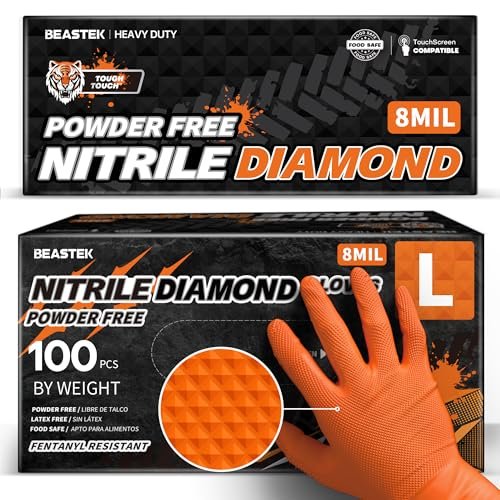 Beastek 8-mil Chemical-Resistant Nitrile Gloves
Disposable nitrile gloves for safe handling of pool chemicals. View on Amazon →
Beastek 8-mil Chemical-Resistant Nitrile Gloves
Disposable nitrile gloves for safe handling of pool chemicals. View on Amazon →
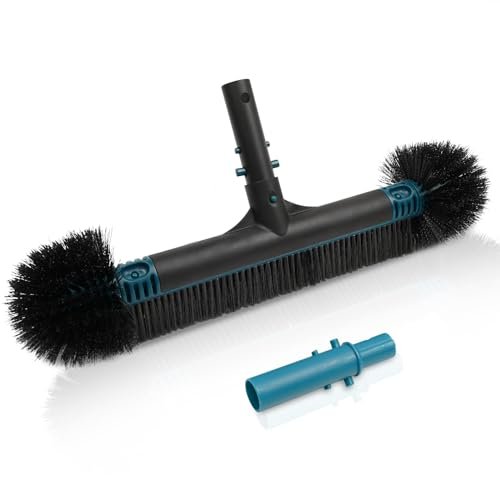 Poolvio 20" 2-in-1 Pool Brush Head (Walls & Floor)
Sturdy 20-inch brush head that clips onto any standard telescopic pole. View on Amazon →
Poolvio 20" 2-in-1 Pool Brush Head (Walls & Floor)
Sturdy 20-inch brush head that clips onto any standard telescopic pole. View on Amazon →
Still need help? Ask a Pool & Spa Expert AD
Get a personalized answer from PoolGuy810 — 30 years owning a pool and spa repair company. Describe your issue and get step-by-step help.
Related Pool Guides
Need More Help?
Try our free pool calculators and tools to help diagnose and fix your pool problems.
Browse Pool ToolsSLAM calculator, pH calculator, salt dosing & more