
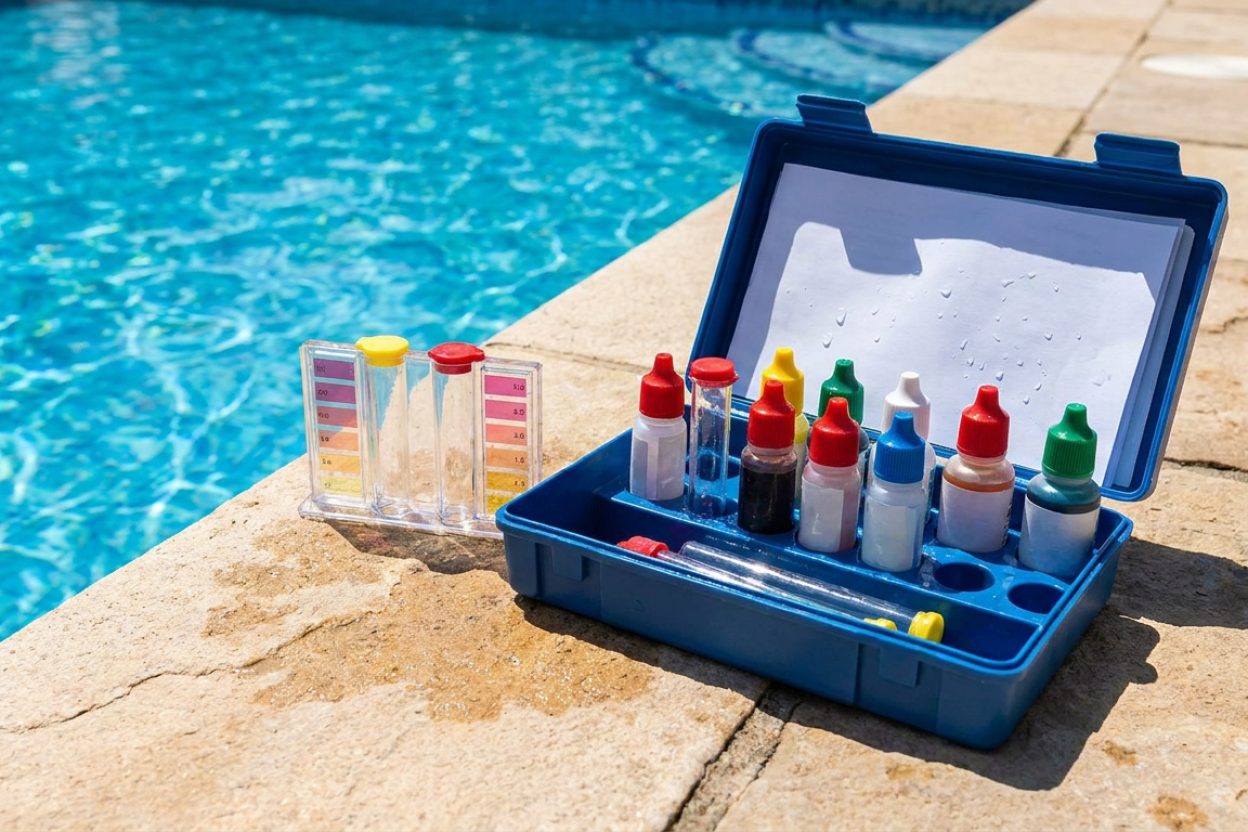
Can I Use Pool Chlorine Tablets in My Well? Safety Risks

Can I put pool chlorine tablets directly into my well water?
Read full question
Opened my well disinfection system this morning to find it's eating through expensive treatment bottles way faster than it should, while I've got pool chlorine tablets collecting dust.
Seems like such a waste when I already have pool chlorine tablets at home. Can't I just drop a few of those trichlor tablets down my well to disinfect the water? I'm looking for a simple DIY solution that doesn't involve buying more overpriced chemicals.
Quick Answer
No, never use pool chlorine tablets in your well water system. Pool tablets contain trichlor and stabilizer that make water unsafe for drinking and can damage plumbing systems.
Why Pool Chlorine Tablets Are Dangerous for Wells
Chemical Composition Problems
Pool chlorine tablets are typically trichlor (trichloroisocyanuric acid), which contains approximately 90% available chlorine and releases cyanuric acid (CYACyanuric Acid (stabilizer) — Sunscreen for your chlorine — it keeps sunlight from burning it off. The catch: the more you have, the more chlorine you need to keep. learn more →) equivalent to about 55% of its weight when dissolved. When dissolved, this creates multiple problems:
- Cyanuric acid accumulation: Unlike pools where CYA levels are managed, wells would accumulate this stabilizer, which is not approved and has no established limit for drinking water
- pH disruption: Trichlor is highly acidic (solution pH around 2.8 when dissolved) and will severely lower your water's pH
- Non-potable additives: Pool tablets contain binders, fillers, and other chemicals not approved for drinking water
- Calcium hypochlorite tablets: Even cal-hypo pool tablets contain lime and other non-potable ingredients
Health and Safety Risks
Using pool chemicals in drinking water creates serious health hazards:
- Toxic chemical exposure: Cyanuric acid and other additives aren't approved for human consumption
- Chlorine overdose: Pool tablets release chlorine at rates designed for swimming pools, not drinking water systems
- Corrosion damage: The acidic nature can corrode well casings, pumps, and household plumbing
- Unpredictable dosing: Tablets dissolve at varying rates, making proper chlorine levels impossible to control
Proper Well Water Treatment Methods
EPA-Approved Well Disinfection
If your well water needs chlorination, use only methods approved by the EPA and local health departments:
- Liquid sodium hypochlorite: Use unscented household bleach (typically 5–8.25% sodium hypochlorite) with no additives
- Calcium hypochlorite powder: Food-grade cal-hypo specifically labeled for potable water treatment
- Sodium hypochlorite solution: Commercial-grade solutions designed for water treatment
- Professional chlorination systems: Automated systems that inject precise amounts of approved disinfectants
Well Shock Chlorination Process
For bacterial contamination, follow this EPA-approved shock chlorination method:
- Calculate chlorine needed: Calculate chlorine needs based on total well volume - measure from wellhead to water surface to determine static water level, then calculate total volume (consult EPA guidelines for your specific well dimensions)
- Mix solution: Combine bleach with equal parts clean water before adding to well
- Add to well: Ensure adequate ventilation around wellhead to prevent gas accumulation. Pour mixture directly into well casing
- Circulate water: Run water at each faucet until you smell chlorine
- Contact time: Let chlorinated water sit in system for 12-24 hours (8 hours minimum)
- Flush system: Run all faucets until chlorine smell disappears
- Test water: Wait 3-7 days, then test for bacteria
Professional Water Treatment Solutions
Continuous Chlorination Systems
For ongoing water treatment needs, consider professional-grade systems:
- Liquid chlorinator pumps: Inject precise amounts of sodium hypochlorite solution
- Tablet chlorinators: Use only tablets specifically designed for potable water (not pool tablets)
- UV sterilization: Chemical-free bacterial control using ultraviolet light
- Ozone treatment: Advanced oxidation for comprehensive water treatment
Water Testing Requirements
Before any treatment, test your water to determine actual needs:
- Bacterial testing: Test for coliform and E. coli every 6-12 months
- Chemical analysis: Check pH, hardness, iron, and other parameters
- Professional lab testing: Use certified laboratories for accurate results
- Ongoing monitoring: Regular testing ensures treatment effectiveness
Common Well Water Treatment Mistakes
Dangerous Shortcuts to Avoid
- Never use pool chemicals: This includes shock, algaecides, or any pool-specific products
- Avoid scented bleach: Only use unscented sodium hypochlorite for emergency disinfection
- Don't guess dosages: Always calculate proper amounts based on well specifications
- Skip DIY complex treatments: Some water issues require professional equipment and expertise
When to Call Professionals
Contact licensed water treatment professionals for:
- Persistent bacterial contamination: If shock chlorination doesn't solve the problem
- Complex water chemistry: High iron, sulfur, or other challenging contaminants
- System installation: Installing permanent chlorination or treatment systems
- Regulatory compliance: Ensuring treatments meet local health department requirements
Remember: Your drinking water safety is too important to risk with inappropriate chemicals. Pool chlorine tablets are formulated for swimming pools, not potable water systems. Always use EPA-approved methods and products specifically designed for drinking water treatment, and consult with water treatment professionals when in doubt about proper procedures.

Still need help? Ask a Pool & Spa Expert AD
Get a personalized answer from PoolGuy810 — 30 years owning a pool and spa repair company. Describe your issue and get step-by-step help.
Related Pool Guides
Need More Help?
Try our free pool calculators and tools to help diagnose and fix your pool problems.
Browse Pool ToolsSLAM calculator, pH calculator, salt dosing & more