
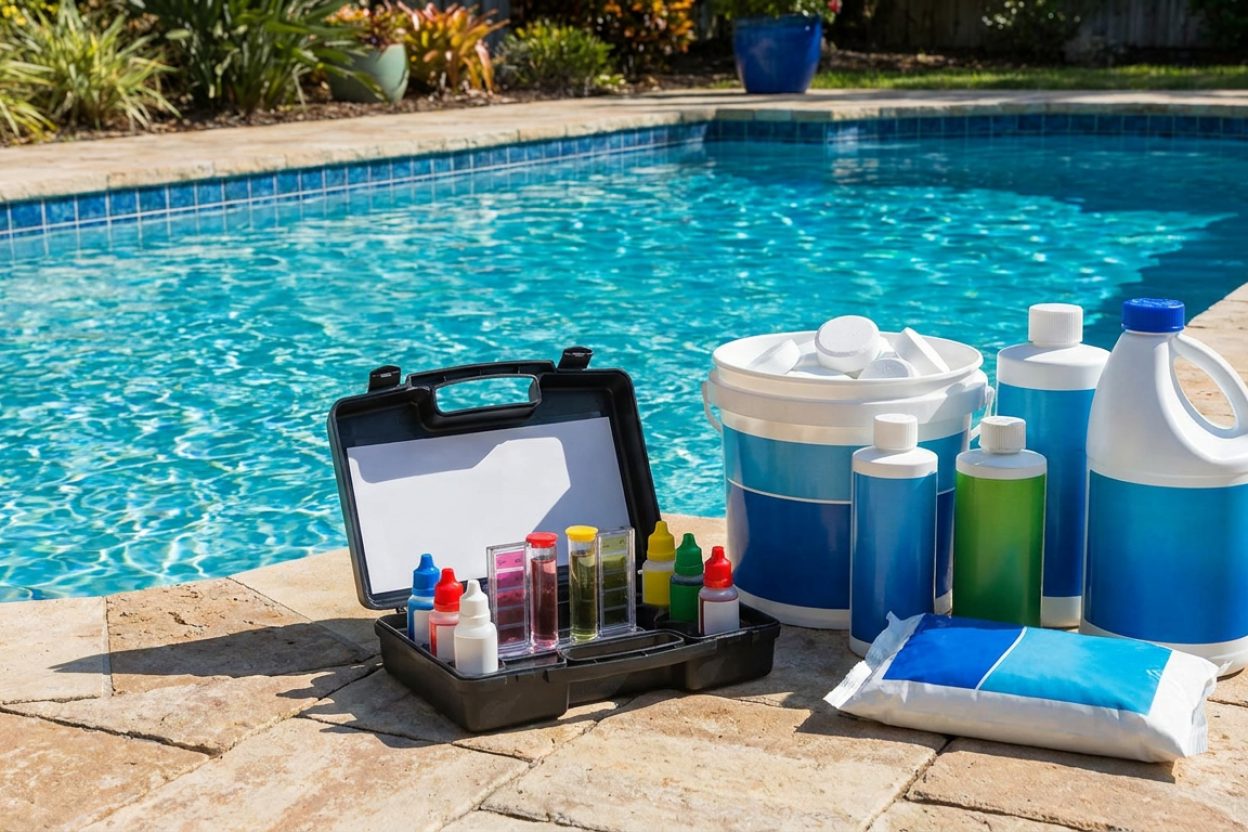
Pool Chemical Expiration: How Long Do They Last? Complete Guide

How long do different pool chemicals stay good before expiring?
Read full question
Finally moved into my new house and discovered the previous owner left a storage room packed with mystery pool chemical bottles that could be years old. My 20,000-gallon inground pool requires quite a bit of chemicals throughout the season, so I tend to buy in bulk when there are sales.
I've got liquid chlorine from last summer, some granular shock that's been sitting for about two years, pH increaser and decreaser from various seasons, and alkalinity increaser that I honestly can't remember when I bought. The containers don't all have clear expiration dates, and I want to know which ones I can safely use this season versus which ones I should replace.
What's the typical shelf life for different types of pool chemicals? I don't want to waste money replacing chemicals that are still good, but I also don't want to add ineffective chemicals to my pool and mess up my water balance.
Quick Answer
Most pool chemicals have different expiration dates: liquid chlorine lasts 1-2 months, granular chlorine 1-3 years, pH increaser (soda ash) indefinitely when dry and muriatic acid 3+ years, and alkalinity increasers indefinitely when stored properly.
Step-by-Step Chemical Expiration Guide
- Check manufacturing dates first - Look for stamped dates on containers, usually found on the bottom or label. Most manufacturers use either a production date or expiration date format.
- Identify your chemical type - Different pool chemicals have vastly different shelf lives based on their chemical composition and stability.
- Assess storage conditions - Heat, moisture, and sunlight dramatically reduce chemical effectiveness and accelerate expiration.
- Test effectiveness before use - Even within expiration dates, improperly stored chemicals may lose potency.
- Replace expired chemicals safely - Never mix old and new chemicals, and dispose of expired products according to local hazardous waste guidelines.
Specific Chemical Shelf Lives
Chlorine Products
Liquid chlorine (sodium hypochlorite): 1-2 months maximum. This is the shortest shelf life of all pool chemicals. Liquid chlorine loses roughly 10-15% of its available chlorine per month at room temperature (about 50% over six months); warm storage roughly doubles that rate. In hot storage conditions (above 80°F), degradation accelerates significantly. Always check the manufacturing date and use within 30 days for maximum effectiveness.
Granular chlorine (calcium hypochlorite): 1-3 years when stored in cool, dry conditions. Cal-hypo is much more stable than liquid forms but will degrade if exposed to moisture or heat. Look for clumping or strong chlorine odor as signs of degradation.
Trichlor tablets: 2-5 years in original sealed containers. These stabilized chlorine tablets are among the most stable pool chemicals, but they'll lose effectiveness if exposed to air or moisture.
pH Adjusters
Muriatic acid (hydrochloric acid): 3+ years when properly sealed. Acid is highly stable but will lose concentration if the container isn't tightly sealed, allowing hydrogen chloride gas to escape.
Sodium carbonate (pH increaser): Indefinite shelf life when kept dry. This chemical doesn't degrade but will absorb moisture from air, forming clumps that are harder to dissolve.
Alkalinity and Hardness Adjusters
Sodium bicarbonate (alkalinity increaser): Indefinite when stored properly. Keep containers sealed and dry to prevent moisture absorption and clumping.
Calcium chloride (hardness increaser): 2+ years in sealed containers. Highly hygroscopic (absorbs moisture), so proper storage is critical.
Specialty Chemicals
Cyanuric acid (stabilizer): 5+ years when kept dry. CYACyanuric Acid (stabilizer) — Sunscreen for your chlorine — it keeps sunlight from burning it off. The catch: the more you have, the more chlorine you need to keep. learn more → is extremely stable but will form hard clumps if it absorbs moisture, making dissolution difficult.
Algaecides: 2-3 years typically. Quaternary ammonium compounds (most common algaecides) are relatively stable but check manufacturer dates.
Shock products: Varies by type - calcium hypochlorite shock lasts 1-3 years, while potassium monopersulfate (non-chlorine shock) lasts 2+ years in dry storage.
Storage Best Practices
- Maintain cool temperatures - Store chemicals between 40-80°F. Higher temperatures accelerate chemical degradation, though rates vary significantly by chemical type - see manufacturer specifications for temperature-specific storage requirements.
- Control moisture exposure - Use airtight containers and add desiccant packets to granular chemicals. Humidity above 50% accelerates degradation.
- Prevent light exposure - UV light breaks down many pool chemicals. Store in dark areas or opaque containers.
- Separate incompatible chemicals - Never store acids near chlorine products. Maintain at least 10 feet separation and ensure adequate ventilation.
- Use original containers - Manufacturer containers are designed for the specific chemical and include proper labeling for safety.
Testing Chemical Effectiveness
Even within expiration dates, test chemical potency before adding to your pool:
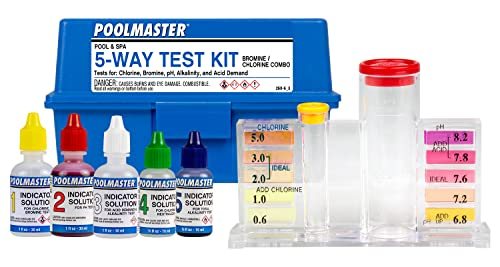
- Chlorine products: Use a Taylor K-2006 to track your pool's free chlorine (note it measures pool-water FCFree Chlorine — The chlorine actively sanitizing your water right now. This is the number you keep an eye on. how much you need →, not the percent strength printed on a chlorine product label)
- pH adjusters: Test a small pool water sample - if normal amounts don't produce expected pH changes, the chemical may be degraded
- Granular chemicals: Check for excessive clumping, color changes, or unusual odors
Safety Considerations
Never use degraded chlorine products - Decomposed calcium hypochlorite can become unstable and potentially dangerous. If you notice strong odors, heat generation, or discoloration, dispose of immediately through hazardous waste facilities.
Always test pool water 2-3 hours after adding any chemical, especially if you're uncertain about its potency. When in doubt, start with smaller doses and retest rather than over-dosing with potentially degraded chemicals.
Economic Impact
Using expired or degraded chemicals wastes money and time. A partially degraded chlorine product might provide only 50% of expected sanitization, requiring double the amount to achieve proper free chlorine levels. This is why following TFP principles of buying fresh liquid chlorine monthly and storing other chemicals properly saves both money and maintenance headaches.
 Taylor K-2006C Complete FAS-DPD Pool & Spa Test Kit
The FAS-DPD kit pool pros trust — reads chlorine accurately even at shock/SLAM levels, plus pH, alkalinity, calcium hardness and CYA. View on Amazon →
Taylor K-2006C Complete FAS-DPD Pool & Spa Test Kit
The FAS-DPD kit pool pros trust — reads chlorine accurately even at shock/SLAM levels, plus pH, alkalinity, calcium hardness and CYA. View on Amazon →
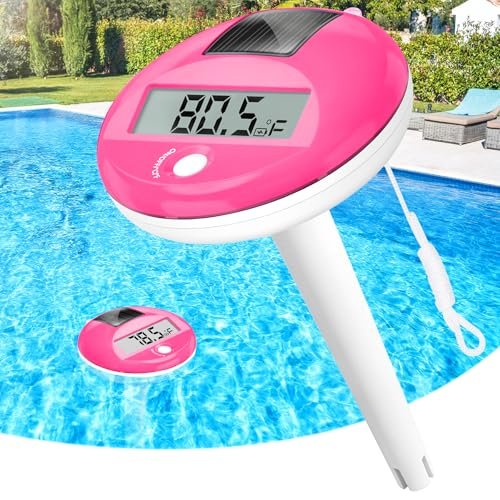 LuxBlue Floating Pool Thermometer, Solar, Large LCD
Easy-read floating thermometer for pool water temperature. View on Amazon →
LuxBlue Floating Pool Thermometer, Solar, Large LCD
Easy-read floating thermometer for pool water temperature. View on Amazon →
Still need help? Ask a Pool & Spa Expert AD
Get a personalized answer from PoolGuy810 — 30 years owning a pool and spa repair company. Describe your issue and get step-by-step help.
Related Pool Guides
Need More Help?
Try our free pool calculators and tools to help diagnose and fix your pool problems.
Browse Pool ToolsSLAM calculator, pH calculator, salt dosing & more