
How to Lower CYA (Stabilizer) in Pool - Complete Guide

What's the most effective method to reduce cyanuric acid levels?
Read full question
Already dealt with my 8-year-old pool's CYA climbing to over 100 ppm, way past the 30-50 ppm sweet spot — complete drain or partial fix? This is causing my chlorine to become significantly less effective, requiring much higher chlorine doses to maintain proper sanitization.
I've researched various approaches but I'm getting conflicting information about whether there are chemical products that can neutralize or reduce CYA levels directly. What are the proven methods for bringing cyanuric acid levels back down to the optimal range? I need a systematic approach that will actually work without wasting time on ineffective solutions.
Quick Answer
The most reliable way to lower CYA (cyanuric acid/stabilizer) is dilution — a partial drain-and-refill with fresh water, or reverse osmosis treatment. CYA does break down on its own, but only very slowly (roughly a few percent a month), so it is not something to wait on; consumer “CYA reducer” products work by biological breakdown and give limited, inconsistent results.
Why CYA Is Hard to Remove Chemically
CYACyanuric Acid (stabilizer) — Sunscreen for your chlorine — it keeps sunlight from burning it off. The catch: the more you have, the more chlorine you need to keep. learn more → is extremely stable - that's why it's called stabilizer. This chemical stability that makes it effective at protecting chlorine from UV degradation also means it cannot be broken down or neutralized by other chemicals. Products claiming to "reduce" or "remove" CYA work by biological breakdown and give limited, inconsistent results — they are not a reliable substitute for dilution.
Method 1: Partial Drain and Refill
When to Use This Method
This is the most common and cost-effective method for most pool owners. Use this approach when:
- CYA levels are above 50ppm for traditional chlorine pools
- CYA levels are above 80ppm for salt water generator pools
- You have access to reasonable fill water costs
- Your pool allows for safe draining (no hydrostatic pressure issues)
Step-by-Step Drain and Refill Process
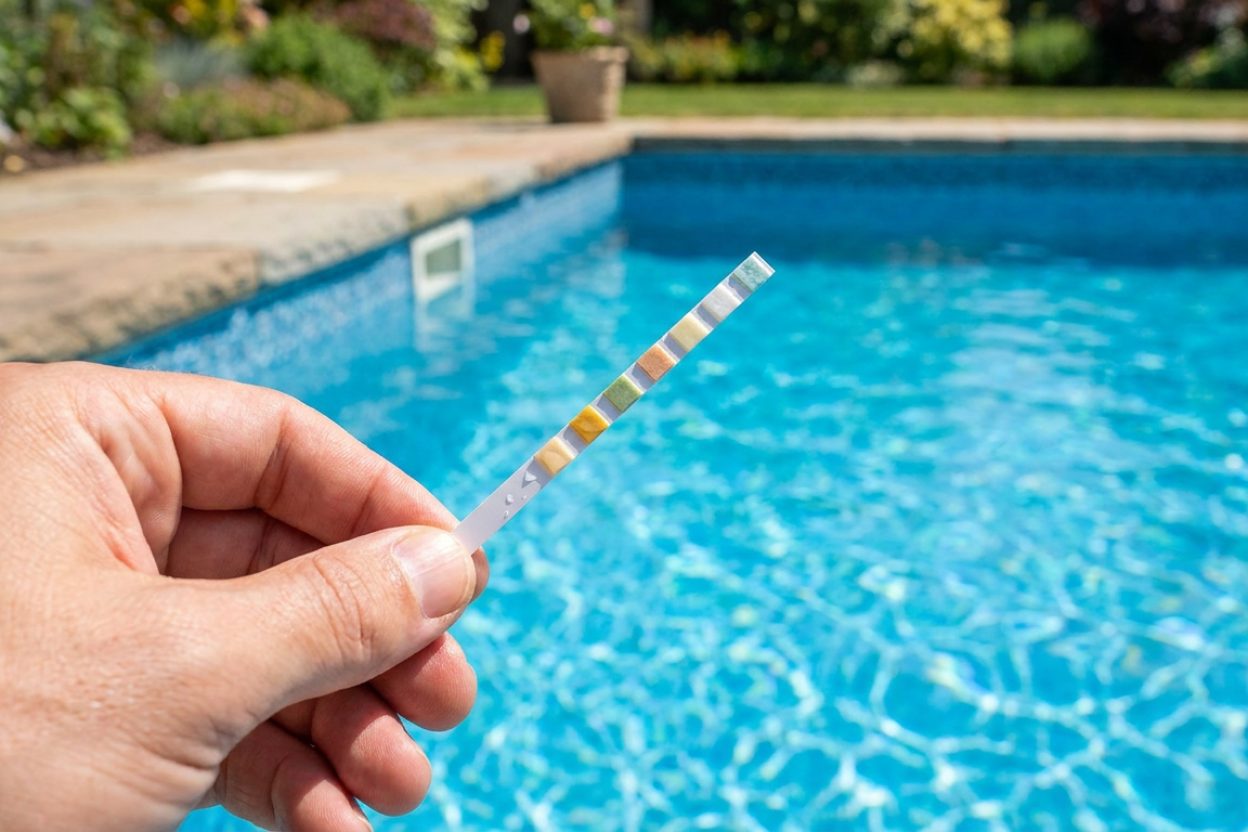
- Test current CYA level using a Taylor K-2006C test kit or reliable test strips. Turbidimetric testing is most accurate for CYA readings.
- Calculate drainage needed. To cut CYA in half, you need to drain and refill 50% of your water. For example, if CYA is 100ppm and you want 50ppm, drain half the pool.
- Turn off all pool equipment including pumps, heaters, and salt water generators before draining.
- Drain the calculated amount using a submersible pump, waste setting on multiport valve, or drain plug. Never completely empty a pool without professional consultation.
- Refill with fresh water to normal operating level. If using well water, test it first as some wells contain CYA.
- Rebalance all chemistry starting with total alkalinity (60-80 for SWGSalt Water Generator — The "salt cell" that makes chlorine from the salt in a saltwater pool. Same chlorine — it just makes its own. pool terms →, 80-120 for traditional), then pH (7.4-7.6), then calcium hardness (250-350 for plaster).
- Retest CYA after 24-48 hours of circulation to confirm new levels.
Method 2: Reverse Osmosis Treatment
Professional mobile RO units can filter CYA from pool water without draining. This method typically costs roughly $350-600 for an average residential pool (more for large pools or hard-water markets) but conserves water and maintains balanced chemistry. The RO truck connects to your pool, filters the water, and returns it clean. This process removes the large majority of CYA along with other dissolved solids, while typically conserving about 85% of your existing pool water.
Prevention Strategies
Avoid Trichlor and Dichlor Over-Reliance
The primary cause of high CYA is overuse of stabilized chlorine products like trichlor tablets (3-inch chlorine pucks) and dichlor shock. These products contain CYA and continuously add it to your pool. For every 10ppm of chlorine added via trichlor, you add approximately 6ppm of CYA (ratios may vary slightly by manufacturer).
Use Liquid Chlorine for Regular Sanitizing
Switch to liquid chlorine (sodium hypochlorite) for daily chlorination. Liquid chlorine contains no CYA and won't build up stabilizer levels. Reserve trichlor tablets only for vacation feeders or supplemental chlorination.
Monitor CYA Monthly
Test CYA levels monthly during swimming season using a reliable test kit. The Taylor K-2006C is the gold standard for accurate CYA readings. Catch rising levels early before they become problematic.
Understanding Target CYA Levels
Proper CYA levels depend on your chlorination method:
- Traditional chlorine pools: 30-50ppm optimal
- Salt water generator pools: 70-80ppm optimal
- Indoor pools: 0-30ppm (minimal UV exposure)
Higher CYA levels require proportionally higher free chlorine levels to maintain sanitation effectiveness. Use the all-in-one pool calculator to determine proper free chlorine targets based on your CYA level.
Common Mistakes to Avoid
Don't Use "CYA Reducer" Products
Products marketed as CYA reducers work through biological breakdown but give limited, inconsistent results. They may be worth trying as a supplement, but partial drain-and-refill remains the reliable primary method.
Don't Ignore Rising CYA
Many pool owners let CYA climb to 80-100ppm before taking action. Address rising CYA when it hits 60ppm to avoid more extensive dilution later.
Don't Drain Pool Completely
Complete drainage can cause structural damage from hydrostatic pressure. Consult professionals before draining more than 2/3 of pool volume.
Cost Considerations
Partial drain and refill typically costs $100-300 in water and chemical rebalancing. Professional RO treatment costs more upfront but may be worthwhile for large pools or areas with water restrictions. Calculate your local water costs and chemical replacement needs to determine the most economical approach.
For the full breakdown of safe chlorine levels by CYA level, see our pool water chemistry guide.
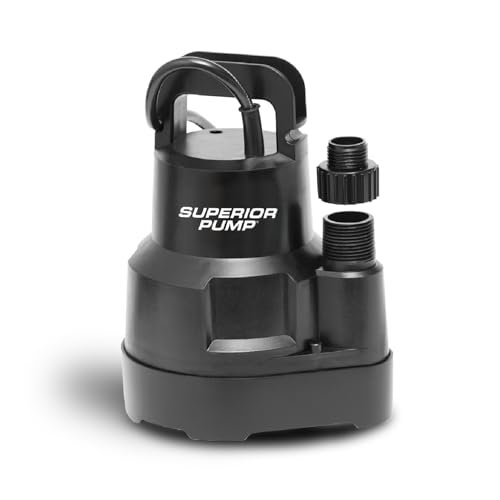 Superior Pump 91014 1/4 HP Submersible Utility Pump
Drains a pool, cover, or equipment pit when you need to lower the water. View on Amazon →
Superior Pump 91014 1/4 HP Submersible Utility Pump
Drains a pool, cover, or equipment pit when you need to lower the water. View on Amazon →
 Taylor K-2006C Complete FAS-DPD Pool & Spa Test Kit
The FAS-DPD kit pool pros trust — reads chlorine accurately even at shock/SLAM levels, plus pH, alkalinity, calcium hardness and CYA. View on Amazon →
Taylor K-2006C Complete FAS-DPD Pool & Spa Test Kit
The FAS-DPD kit pool pros trust — reads chlorine accurately even at shock/SLAM levels, plus pH, alkalinity, calcium hardness and CYA. View on Amazon →
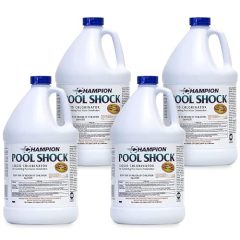 Liquid Chlorine / Sodium Hypochlorite (12.5%)
Everyday sanitizer — the B in BBB View on Amazon →
Liquid Chlorine / Sodium Hypochlorite (12.5%)
Everyday sanitizer — the B in BBB View on Amazon →
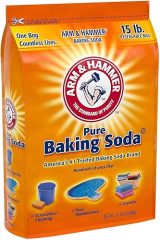 Arm & Hammer Pure Baking Soda (Alkalinity Up)
Raises Total Alkalinity cheaply View on Amazon →
Arm & Hammer Pure Baking Soda (Alkalinity Up)
Raises Total Alkalinity cheaply View on Amazon →
Still need help? Ask a Pool & Spa Expert AD
Get a personalized answer from PoolGuy810 — 30 years owning a pool and spa repair company. Describe your issue and get step-by-step help.
Related Pool Guides
Need More Help?
Try our free pool calculators and tools to help diagnose and fix your pool problems.
Browse Pool ToolsSLAM calculator, pH calculator, salt dosing & more