
How Pool Pumps Work: Complete Guide to Pool Circulation

Understanding how my pool pump circulates and filters water
Read full question
My pool pump has been running louder than usual lately, and I'm starting to wonder if I actually understand how this thing works. Ever since we had that power outage last month, the pump seems to be working harder but the water circulation doesn't look quite right. I can see water moving through the return jets, but I'm not really sure what's happening inside the pump itself or how it's supposed to move all that water through the filter system. Is there a simple way to understand the mechanics so I can better troubleshoot when something goes wrong?
Quick Answer
Pool pumps work by using an impeller inside a sealed chamber to create suction that pulls water from your pool through the skimmer and main drains, then pushes it through the filter system before returning it to the pool via return jets.
The Simple Answer
Your pool pump creates a continuous water circulation loop by using a spinning impeller to pull water from the pool through the filtration system and push it back out through the return jets - think of it as the heart of your pool's circulatory system.
The Key Components Working Together
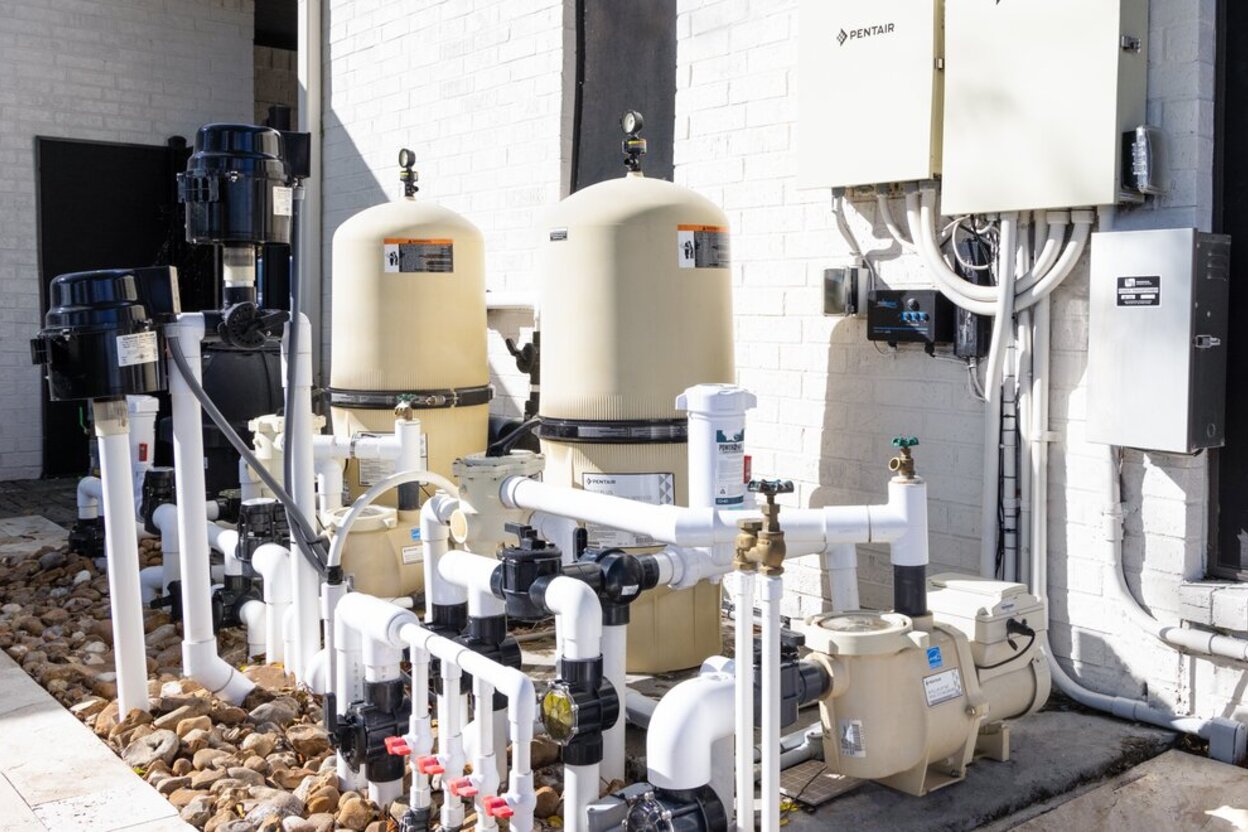
Understanding your pump starts with knowing its main parts. The motor provides the power, spinning a shaft that's connected to an impeller - a fan-like component with curved blades inside a sealed chamber called the volute. This impeller is where the magic happens.
When the impeller spins (typically at high speeds (check your pump's specifications for exact RPM) for single-speed pumps), it creates centrifugal force that pushes water outward. This action creates low pressure at the center of the impeller, which generates suction on the intake side of the pump.
The Water's Journey
Here's exactly what happens to your pool water: The suction created by the impeller pulls water from your pool through the skimmer and main drains via the suction lines. This water enters the pump basket (which catches large debris), then flows into the impeller chamber where it gets pressurized and pushed out through the discharge side.
From there, the pressurized water flows through your filter system - whether that's sand, cartridge, or DE - where contaminants get removed. The clean, filtered water then returns to your pool through the return jets, completing the circulation cycle.
Why Proper Flow Matters
The pump must move enough water to keep your pool clean and chemically balanced. Most residential pools benefit from filtering their entire volume 1-2 times per day, which typically means running the pump 6-12 hours daily depending on your specific conditions and local recommendations and pool size and pump capacity.
If your pump is working harder but circulation looks poor, you're likely dealing with restricted flow. Common causes include clogged pump baskets, dirty filters, closed valves, or air leaks in the suction lines that break the pump's ability to maintain proper suction.
Recognizing Pump Problems
A properly functioning pump should run quietly with steady water flow visible at the return jets. Warning signs include unusual noise (grinding, squealing), reduced flow, water level dropping in the pump basket area, or air bubbles in the return jets.
The louder operation you've noticed could indicate several issues: the pump basket needs cleaning, your filter requires backwashing or replacement, or there's an air leak somewhere in the suction plumbing. After power outages, it's common for pumps to lose their prime, meaning air has entered the system and needs to be purged.
Maintaining the Flow
Regular maintenance keeps everything working smoothly. Clean your pump basket regularly during swimming season (weekly for most pools, more frequently for heavy use or debris-prone areas), and ensure your filter gets proper attention based on its type. Keep an eye on the pressure gauge - rising pressure indicates your filter is doing its job but needs cleaning when it reaches the manufacturer's recommended pressure increase above clean starting pressure (commonly 8-10 PSI, but verify for your system).
Check that all valves are properly positioned and that nothing is blocking your skimmer baskets. Even small restrictions can make your pump work significantly harder while reducing its effectiveness.
Understanding these basics helps you maintain better water chemistry too, since proper circulation is essential for distributing chemicals evenly throughout your pool. When water moves correctly, you'll use fewer chemicals and have fewer water quality issues.
Still need help? Ask a Pool & Spa Expert AD
Get a personalized answer from PoolGuy810 — 30 years owning a pool and spa repair company. Describe your issue and get step-by-step help.
Need More Help?
Try our free pool calculators and tools to help diagnose and fix your pool problems.
Browse Pool ToolsSLAM calculator, pH calculator, salt dosing & more