
Does Pool Stabilizer Expire? Shelf Life & Storage Guide

Pool stabilizer shelf life - does it go bad?
Read full question
Found some old cyanuric acid in my pool shed and trying to decide between tossing it out and risking expired chemicals on my pool. Been there maybe 2-3 years. Granular stuff looks clumped up from humidity but wondering if it's still good to use.
Does pool stabilizer actually expire or go bad over time? Want to know if I should toss it and buy new or if it's still effective.
Quick Answer
Pool stabilizer (cyanuric acid) doesn't technically expire when stored in a cool, dry place. However, granular stabilizer can clump and lose effectiveness when exposed to moisture. Dry granular stabilizer keeps its potency essentially indefinitely when sealed; liquid stabilizer can have a true expiration date because of added ingredients. To test effectiveness, add the appropriate amount (1 pound per 10,000 gallons to raise CYA by 13 ppm), wait 24-48 hours, and test with a reliable CYA test kit.
Understanding Pool Stabilizer Shelf Life
Cyanuric acid, the active ingredient in pool stabilizer, is a very stable chemical compound that doesn't break down under normal storage conditions. Unlike chlorine products that lose potency over time, stabilizer maintains its chemical integrity for many years when kept dry and at room temperature.
The confusion about expiration often comes from physical changes rather than chemical degradation. When granular stabilizer absorbs moisture from the air, it forms clumps that are difficult to dissolve in pool water. This doesn't mean the stabilizer has gone bad - it's just become less convenient to use.
Factors That Affect Stabilizer Quality
Storage Temperature
Store stabilizer between 40°F and 85°F for optimal preservation. Extreme temperatures won't make it expire, but can affect the container integrity and make handling more difficult. Freezing won't damage the chemical, but repeated freeze-thaw cycles can cause container cracking.
Moisture Exposure
Humidity is stabilizer's biggest enemy. When cyanuric acid absorbs moisture, it begins to cake and clump. Once this happens, you'll need to break up chunks before adding to your pool, or pre-dissolve in hot water. Always keep containers tightly sealed and consider adding desiccant packets in humid climates.
Container Integrity
Check your stabilizer container regularly for cracks or damaged seals. Even small openings allow moisture infiltration. Transfer damaged products to airtight containers immediately to prevent further degradation.
Signs Your Stabilizer May Have Lost Effectiveness
While stabilizer doesn't expire, these indicators suggest reduced effectiveness:
- Hard, rock-like clumps that won't break apart easily
- Color changes from white to yellow or gray (indicates contamination)
- Strong chemical odor different from the typical mild smell
- Moisture or liquid visible in the container
- Slow dissolution even when pre-dissolved in hot water
Testing Stabilizer Effectiveness
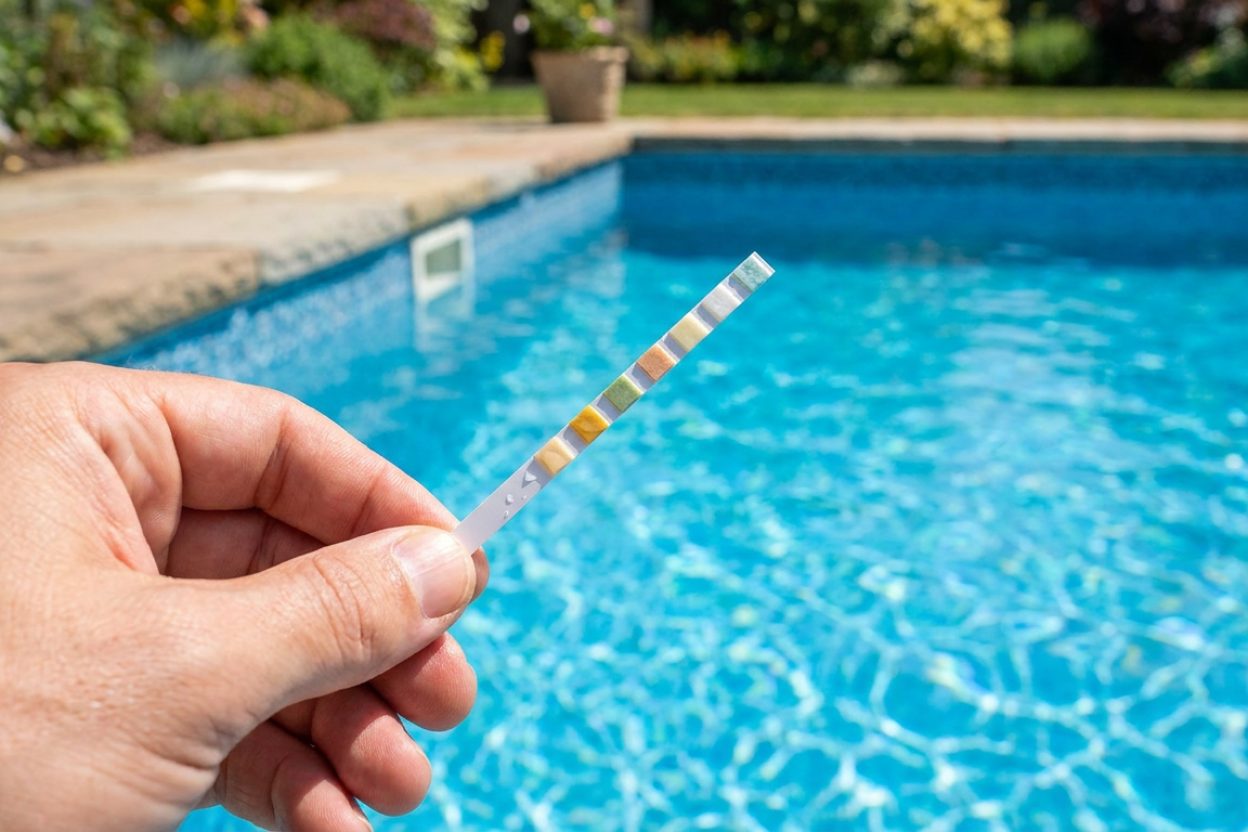
The best way to verify your stabilizer's potency is through pool water testing after application. Add the appropriate amount, wait 24-48 hours for complete circulation, then test with a reliable CYACyanuric Acid (stabilizer) — Sunscreen for your chlorine — it keeps sunlight from burning it off. The catch: the more you have, the more chlorine you need to keep. learn more → test kit.
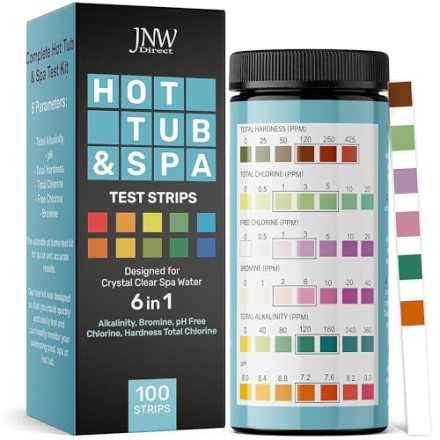
Use a Taylor K-2006C test kit or CYA test strips for accurate cyanuric acid readings. If your CYA levels don't increase as expected, the most likely cause is that the granules haven't fully dissolved yet — CYA can take 48-72 hours and dissolves slowly, so pre-dissolve or use the sock method and retest.
Proper Storage Best Practices
Indoor Storage
Keep stabilizer in a climate-controlled environment like a garage, basement, or pool house. Avoid areas with high humidity like bathrooms or laundry rooms. Maintain temperatures between 40°F and 85°F for optimal conditions.
Container Management
Always use the original container when possible, as it's designed for the specific chemical. If transferring to another container, choose food-grade plastic or glass with tight-fitting lids. Label clearly with contents and date of purchase.
Moisture Prevention
In humid climates, add silica gel packets to absorb excess moisture. Keep containers elevated off concrete floors, which can transfer moisture. Check seals regularly and replace if damaged.
Liquid vs. Granular Stabilizer Storage
Granular cyanuric acid actually keeps its potency longer than liquid when kept dry and sealed; liquid is more convenient but, being a mixed solution, can carry an actual expiration date. However, they may have actual expiration dates due to other ingredients like preservatives or stabilizing agents.
Granular cyanuric acid offers longer shelf life potential when stored properly but requires more careful moisture management. Most pool professionals prefer granular for long-term storage and liquid for immediate use.
When to Replace Old Stabilizer
Replace your stabilizer if it shows signs of contamination, has been exposed to moisture for extended periods, or fails to dissolve properly even after pre-dissolution attempts. While the chemical itself doesn't expire, severely degraded physical condition makes it impractical to use.
For best results, buy stabilizer in quantities you'll use within 2-3 years. This ensures optimal dissolution and application while minimizing storage concerns.
For the full breakdown of safe chlorine levels by CYA level, see our pool water chemistry guide.

Still need help? Ask a Pool & Spa Expert AD
Get a personalized answer from PoolGuy810 — 30 years owning a pool and spa repair company. Describe your issue and get step-by-step help.
Related Pool Guides
Need More Help?
Try our free pool calculators and tools to help diagnose and fix your pool problems.
Browse Pool ToolsSLAM calculator, pH calculator, salt dosing & more