
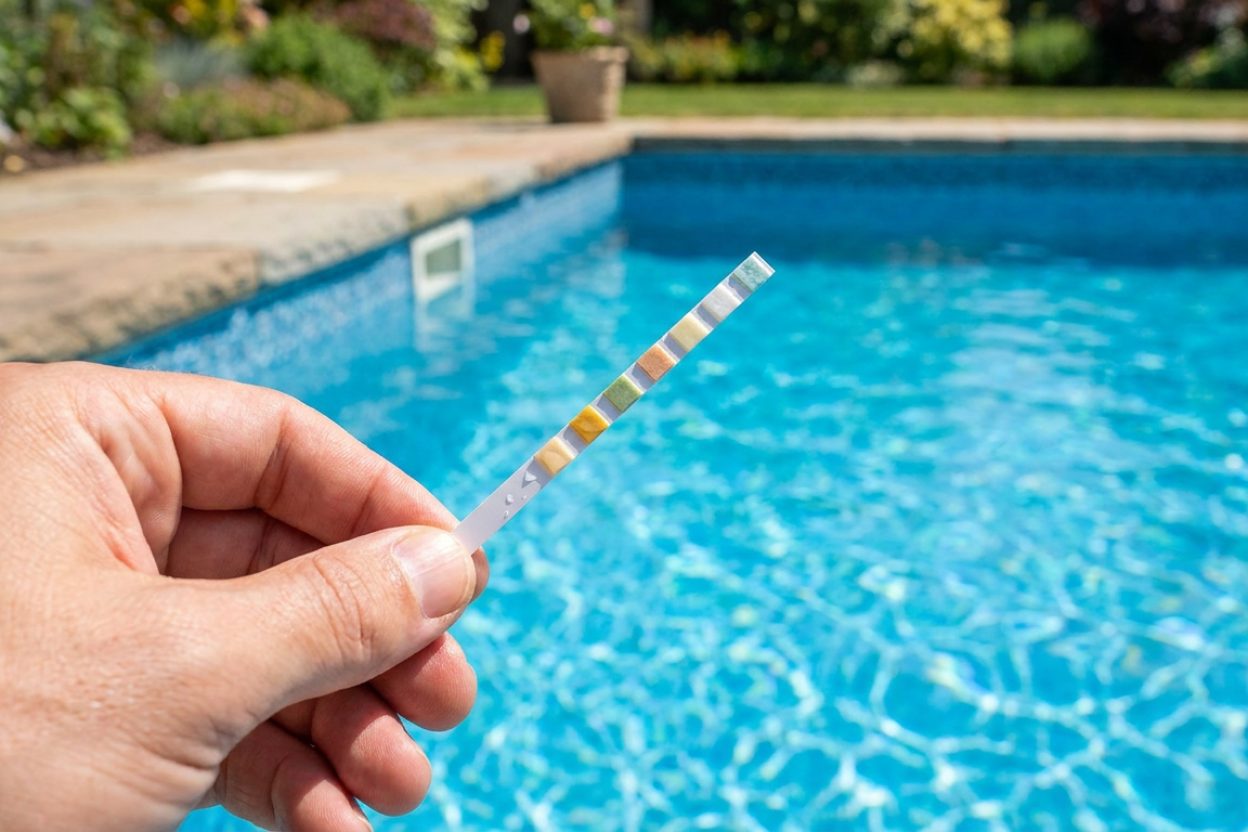
Does Pool Calcium Expire? Storage & Shelf Life Guide

How long does pool calcium chloride last in storage?
Read full question
Found a half-used bag of calcium hardness increaser in my garage from two seasons ago and wondering if it's still good or if I need to buy fresh. Pool supply store wants $25 for a new bag but this one's been sitting in the heat and cold — does pool calcium actually go bad?
Quick Answer
Pool calcium chloride and calcium hardness increasers don't really expire or lose chemical effectiveness - kept dry, calcium chloride is stable indefinitely. The real enemy is moisture, which makes it clump; clumped product still works once you break it up.
Understanding Pool Calcium Shelf Life
Good news: calcium chloride doesn't really expire. Before you spend $25 on a fresh bag, here's how to tell whether your old one is still fine to use. Understanding how long these chemicals remain viable is crucial for maintaining proper water chemistry and avoiding waste.
Types of Pool Calcium Products
There are several calcium products used in pool maintenance, each with different storage characteristics:
- Calcium Chloride (CaCl2): The most common calcium hardness increaser, highly hygroscopic (absorbs moisture from air)
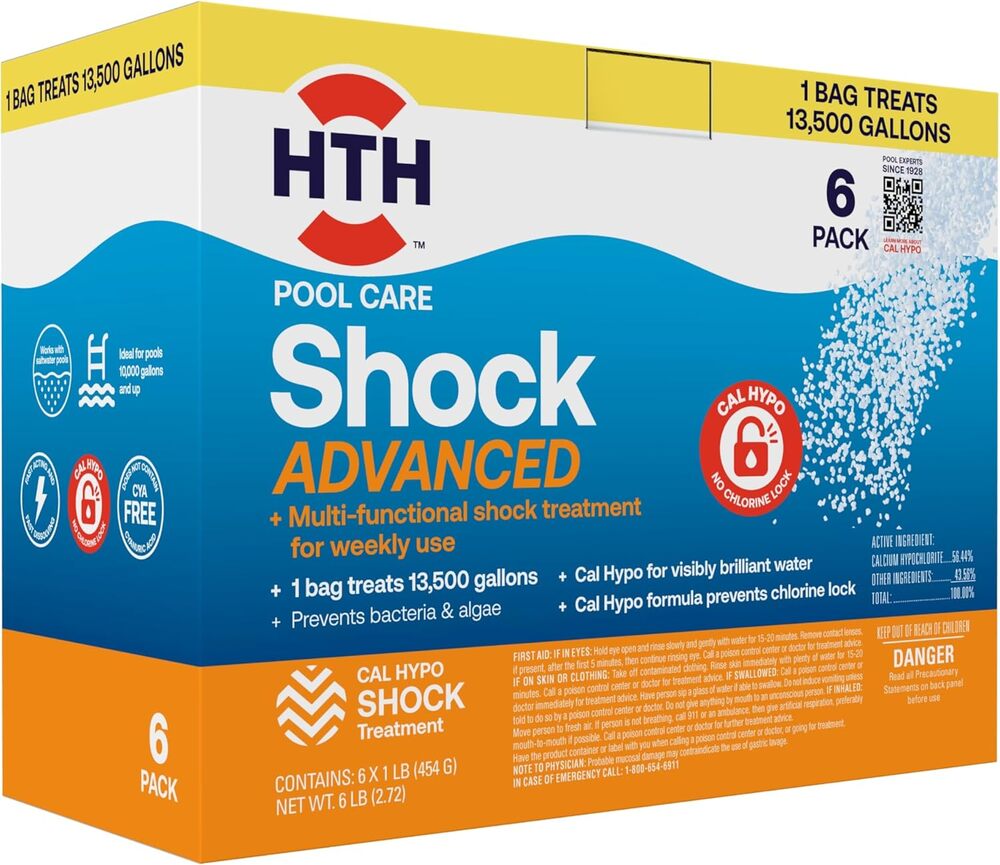
- Calcium Hypochlorite: A chlorine shock that also adds calcium and raises pH; keep it dry, as it loses strength once opened or exposed to moisture
- Calcium Carbonate: Less commonly used due to poor solubility in pool water, calcium chloride is the preferred calcium hardness increaser
Shelf Life Expectations
Unopened Containers
When stored properly in original, unopened containers, calcium products typically maintain their effectiveness for:
- Calcium chloride: effectively indefinite shelf life when kept dry (it's a stable salt—just keep it sealed against moisture, which makes it clump)
- Calcium hypochlorite: 2-3 years with proper storage
Opened Containers
Once opened, calcium products begin degrading more rapidly due to moisture exposure:
- Properly resealed containers: 1-2 years
- Poorly sealed containers: 6-12 months
- Containers exposed to high humidity: 3-6 months
Signs Your Calcium Has Gone Bad
Watch for these indicators that your calcium products have lost effectiveness:
- Clumping or hardening: Calcium chloride forms hard chunks when it absorbs moisture
- Caking: Granular products stick together in solid masses
- Changed color: White products turning yellow, gray, or brown
- Reduced solubility: Takes longer to dissolve or leaves residue
- Musty odor: Indicates moisture contamination — discard if the product has clumped or absorbed water (these inorganic oxidizers do not support bacterial growth, so an off smell points to contamination from the storage environment)
Proper Storage Techniques
Environment Control
Store calcium products in conditions that minimize moisture exposure:
- Temperature: 50-80°F (10-27°C)
- Humidity: Below 50% relative humidity
- Location: Dry basement, climate-controlled garage, or dedicated chemical storage area
- Avoid: damp or humid spots like bathrooms or laundry rooms (temperature swings - garage heat and cold - aren't the real problem here; moisture is)
Container Management
Maintain chemical integrity through proper container handling:
- Keep original containers whenever possible
- Ensure tight sealing after each use
- Use moisture-absorbing packets (silica gel) in opened containers
- Transfer to airtight containers if original packaging is damaged
- Label containers with purchase date and contents
Testing Calcium Product Viability
If you're unsure about your calcium's effectiveness, perform these simple tests:
- Visual inspection: Check for clumping, discoloration, or unusual odors
- Solubility test: Dissolve a small amount in warm water - it should dissolve completely within 3-5 minutes
- Effectiveness test: Add the calculated amount to a small water sample and test calcium hardness levels after 30 minutes
Safe Disposal of Expired Calcium
When calcium products are no longer viable:
- Small amounts can be dissolved and added to pools gradually for disposal
- Large quantities should be taken to hazardous waste facilities
- Never dispose of chemicals in regular trash or pour down drains
- Never mix different types of calcium products during storage or disposal
- Contact local waste management for specific disposal guidelines
Maximizing Chemical Lifespan
Purchase Strategy
Buy only what you'll use within 2-3 years to ensure maximum effectiveness. For calcium hardness, most pools need 2-10 pounds annually, depending on water source and surface type.
Storage Best Practices
Implement these strategies to extend chemical life:
- Store chemicals off concrete floors using wooden pallets or shelving
- Maintain consistent storage temperatures
- Use a dehumidifier in storage areas if necessary
- Rotate stock using oldest chemicals first
- Keep detailed inventory with purchase dates
When to Replace vs. Continue Using
Replace calcium products when:
- More than 50% of the product has clumped or hardened
- Dissolution takes more than 5 minutes in warm water
- The product fails to raise calcium hardness as expected
- Any signs of contamination or unusual odors are present
Continue using when products show minor clumping that breaks apart easily and dissolve normally in water.
 Taylor K-2006C Complete FAS-DPD Pool & Spa Test Kit
The FAS-DPD kit pool pros trust — reads chlorine accurately even at shock/SLAM levels, plus pH, alkalinity, calcium hardness and CYA. View on Amazon →
Taylor K-2006C Complete FAS-DPD Pool & Spa Test Kit
The FAS-DPD kit pool pros trust — reads chlorine accurately even at shock/SLAM levels, plus pH, alkalinity, calcium hardness and CYA. View on Amazon →
 LuxBlue Floating Pool Thermometer, Solar, Large LCD
Easy-read floating thermometer for pool water temperature. View on Amazon →
LuxBlue Floating Pool Thermometer, Solar, Large LCD
Easy-read floating thermometer for pool water temperature. View on Amazon →
Still need help? Ask a Pool & Spa Expert AD
Get a personalized answer from PoolGuy810 — 30 years owning a pool and spa repair company. Describe your issue and get step-by-step help.
Related Pool Guides
Need More Help?
Try our free pool calculators and tools to help diagnose and fix your pool problems.
Browse Pool ToolsSLAM calculator, pH calculator, salt dosing & more