
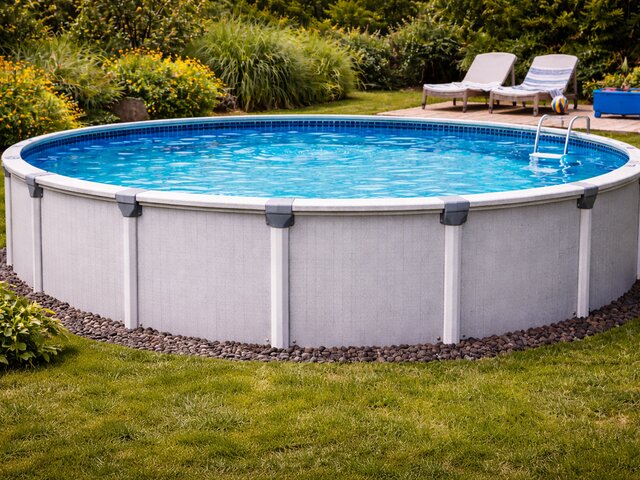
Do Inground Pools Need Liners? Complete Guide 2026

Which inground pools actually need liners?
Read full question
Wondering if my pool renovation is draining my savings account because I keep second-guessing whether my inground pool actually needs a liner. My neighbor just had to replace his pool liner after like 10 years and it was a huge hassle, but my other friend says her concrete pool doesn't have a liner at all?
So which types of inground pools actually need liners and which ones don't? And if I do end up with one that needs a liner, how often am I looking at replacing the thing? Trying to figure out the long-term maintenance costs before I commit to anything!
Quick Answer
Most inground pools don't need liners - concrete/gunite and fiberglass pools have built-in surfaces. Only vinyl inground pools require liners, which need replacement every 8-12 years.
Understanding Inground Pool Types and Liner Requirements
Concrete/Gunite Pools - No Liner Needed
Concrete and gunite pools are the most common inground pool type and never use liners. Instead, they feature:
- Plaster finish: The traditional white or colored coating applied directly to concrete
- Aggregate finishes: Pebble, quartz, or glass bead surfaces for durability
- Tile finishes: Ceramic or stone tiles creating a permanent waterproof surface
These finishes are integral to the pool structure and typically last 10-20 years before needing resurfacing. The concrete shell itself provides the structural integrity and waterproofing.
Fiberglass Pools - Factory Finish Only
Fiberglass inground pools come with a permanent gelcoat finish applied during manufacturing. This smooth, non-porous surface:
- Resists algae growth naturally
- Never requires liner replacement
- Lasts 15-25 years before potential refinishing
- Cannot accommodate liners due to the molded shell design
Vinyl-Lined Inground Pools - Liner Required
Vinyl-lined inground pools are the only type that requires liners. These pools feature:
- Steel, aluminum, or polymer wall panels for structure
- Custom-fitted vinyl liner creating the waterproof barrier
- Liner replacement needed every 8-12 years
- Most affordable inground pool option initially
When Vinyl Pool Liners Need Replacement
If you have a vinyl-lined inground pool, watch for these replacement indicators:
Visible Damage Signs
- Tears or punctures: Even small holes can lead to water loss and structural damage
- Fading and bleaching: UV damage makes liners brittle and prone to cracking
- Wrinkles and stretching: Indicates liner material breakdown
- Staining: Permanent discoloration from metals or organic matter
Performance Issues
- Frequent water loss requiring constant refilling
- Difficulty maintaining proper water chemistry
- Rough texture indicating surface degradation
- Liner pulling away from pool walls or steps
Choosing the Right Vinyl Liner
Thickness Options
Vinyl liner thickness directly impacts durability and cost:
- 20-mil liners: The most affordable option; thinner liners generally last a bit less, but installation quality and water balance matter more than thickness alone
- 27-mil liners: Standard choice offering 8-12 year lifespan
- 30-mil liners: Premium option lasting 10-12 years with better puncture resistance
Pattern and Color Considerations
Beyond aesthetics, liner patterns affect maintenance and longevity:
- Darker patterns: Hide stains better but may fade faster
- Textured surfaces: Provide better grip but can harbor algae
- Solid colors: Show wear more readily but easier to clean
Maintenance Differences by Pool Type
Chemical Balance for Vinyl Liners
Vinyl-lined pools require careful chemical management to prevent liner damage:
- pH levels: Maintain 7.2-7.6 to prevent liner deterioration
- Calcium hardness: Vinyl liners don't require added calcium; just keep CH from running too high (and meet any heater warranty minimum) rather than worrying about a low reading
- Free chlorine: Use the FC/CYAFC/CYA chart — The chart that sets your chlorine target from your stabilizer (CYA) level — the two go together. see the chart → relationship — our all-in-one pool calculator estimates the free chlorine target for your CYACyanuric Acid (stabilizer) — Sunscreen for your chlorine — it keeps sunlight from burning it off. The catch: the more you have, the more chlorine you need to keep. learn more →, and avoid direct contact of undissolved shock with liner
- Total alkalinity: Maintain 80-120 ppm for pH stability
Important: Never add chemicals directly to the liner surface. Always dissolve in water first or add to the deep end with circulation running.
Cleaning Considerations
Different pool surfaces require specific cleaning approaches:
- Vinyl liners: Use soft brushes only, avoid abrasive cleaners
- Plaster surfaces: Can handle wire brushes for algae removal
- Fiberglass: Soft brushes only, similar to vinyl care
Cost Comparison and Long-Term Planning
Initial Investment
Understanding the cost implications helps with decision-making:
- Vinyl-lined pools: $35,000-$65,000 initially, plus $4,000-$8,000 every 8-12 years for liner replacement
- Concrete pools: $50,000-$100,000 initially, plus $5,000-$15,000 every 10-20 years for resurfacing
- Fiberglass pools: $45,000-$75,000 initially, minimal refinishing costs for decades
Lifecycle Maintenance
Factor in long-term maintenance when choosing pool types:
- Vinyl pools require the most frequent major maintenance
- Concrete pools offer the most customization but higher maintenance costs
- Fiberglass pools provide the lowest long-term maintenance requirements
Professional vs. DIY Considerations
Liner replacement requires precision and experience. Professional installation ensures:
- Proper measurement and custom fitting
- Correct water temperature for installation (typically 65-75°F)
- Proper wall preparation and cove installation
- Warranty coverage on materials and labor
DIY installation can save money but risks improper fit, premature failure, and potential structural damage to pool walls.
For the full breakdown of safe chlorine levels by CYA level, see our pool water chemistry guide.
Still need help? Ask a Pool & Spa Expert AD
Get a personalized answer from PoolGuy810 — 30 years owning a pool and spa repair company. Describe your issue and get step-by-step help.
Related Pool Guides
Need More Help?
Try our free pool calculators and tools to help diagnose and fix your pool problems.
Browse Pool ToolsSLAM calculator, pH calculator, salt dosing & more