
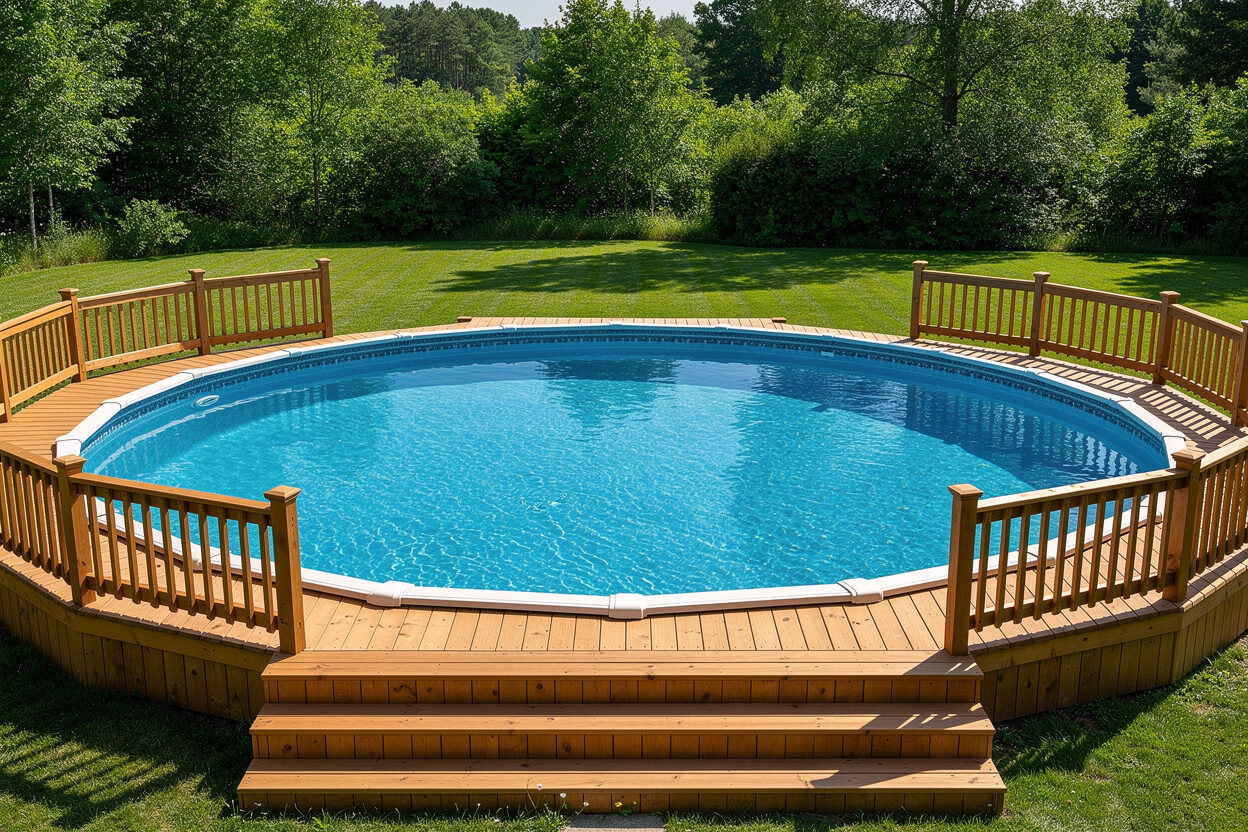
Do Fiberglass Pools Need Liners? Complete Guide

Are liners required for fiberglass pools like vinyl pools?
Read full question
Called three different pool companies this year about whether my fiberglass pool needs a liner and got three different answers—I'm done with the confusion. With vinyl pools, I understand you need a liner that eventually needs replacement every 8-10 years. But what about fiberglass pools - do they also require some type of liner system to hold the water?
I'm specifically looking at installing a 16x32 fiberglass pool (approximately 24,000 gallons) and want to understand all the long-term maintenance requirements. The sales rep mentioned something about a gelcoat surface, but I want to make sure I'm not missing any liner costs in my budget planning. Do fiberglass pools need liners installed, or is the structure itself sufficient to contain the water without additional waterproofing materials?
Quick Answer
No, fiberglass pools do not need liners because the fiberglass shell itself serves as the water barrier. The gelcoat surface provides the waterproof finish that liners provide in vinyl pools. Proper maintenance includes maintaining pH between 7.2-7.6, total alkalinity at 80-120 ppm, and calcium hardness at 175-225 ppm. Free chlorine should be maintained at 4-6 ppm based on CYA levels of 30-60 ppm.
Step-by-Step Understanding of Fiberglass Pool Construction
- Identify the fiberglass shell structure: Your fiberglass pool consists of multiple layers of fiberglass matting and resin that create a solid, one-piece shell. This construction method makes the entire pool structure waterproof without requiring an additional liner.
- Examine the gelcoat surface: The smooth, glossy finish you see in your fiberglass pool is called gelcoat. This is applied during manufacturing and serves the same function as a vinyl liner - creating a waterproof, attractive surface that comes in contact with the pool water.
- Understand the structural difference: Unlike concrete pools that need plaster finishes or vinyl pools that require liners, fiberglass pools arrive as complete, finished units. The manufacturing process bonds all layers together, creating a monolithic structure.
- Recognize the durability advantage: The fiberglass and gelcoat construction typically lasts 25-30 years or more with proper maintenance, far longer than vinyl liners, which typically need replacement every 5-12 years.
When Fiberglass Pools Might Seem to Need Liners
Common Misconceptions
- Assess surface damage concerns: If your fiberglass pool's gelcoat is severely damaged, cracked, or delaminating, you might think it needs a liner. However, the proper solution is gelcoat repair or refinishing, not adding a liner system.
- Evaluate color change desires: Some pool owners consider adding liners to change their pool's appearance. This is not recommended as it can trap water between the liner and shell, causing structural problems.
- Address installation shortcuts: Extremely rare cases exist where contractors improperly install damaged fiberglass shells and suggest temporary liner solutions. This is not a proper long-term fix.
Proper Fiberglass Pool Maintenance Steps
- Maintain proper water chemistry: Keep pH between 7.2-7.6, total alkalinity at 80-120 ppm, and calcium hardness around 175-225 ppm (lower than concrete pools — many fiberglass manufacturers are fine with lower calcium, so follow your shell's spec). Use a Taylor K-2006 test kit for accurate readings.
- Control sanitizer levels: Maintain free chlorine at 4-6 ppm based on your cyanuric acid (CYACyanuric Acid (stabilizer) — Sunscreen for your chlorine — it keeps sunlight from burning it off. The catch: the more you have, the more chlorine you need to keep. learn more →) level. For fiberglass pools, keep CYA at 30-60 ppm to protect chlorine while preventing over-stabilization.
- Brush weekly with appropriate tools: Use only soft-bristle brushes or fiberglass-safe brushes to clean the gelcoat surface. Never use abrasive brushes that can damage the smooth finish.
- Monitor gelcoat condition: Inspect your pool surface monthly for any spider cracks, chips, or dull spots that might indicate gelcoat issues requiring professional attention.
- Prevent calcium scale buildup: Test calcium hardness monthly and keep levels appropriate for fiberglass. If you notice white scaling, address it immediately with proper chemical balancing rather than considering liner installation.
Addressing Fiberglass Pool Surface Issues
Proper Repair Methods
- Identify the specific problem: Determine whether you're dealing with minor gelcoat oxidation, spider cracks, or more serious delamination. Each requires different treatment approaches.
- Perform minor gelcoat restoration: For dull or slightly rough surfaces, professional gelcoat polishing and buffing can restore the original finish. This process typically costs $1,500-3,000 compared to $8,000-15,000 for unnecessary liner installation.
- Address structural cracks properly: If you discover cracks in the fiberglass shell, consult a fiberglass pool specialist immediately. These require professional fiberglass repair, not liner installation.
- Consider gelcoat refinishing: For severely damaged surfaces, complete gelcoat refinishing involves applying new gelcoat over the existing surface, essentially giving your pool a new finish that will last another 15-20 years.
Why Adding Liners to Fiberglass Pools Causes Problems
- Understand water entrapment issues: Installing a liner over a fiberglass shell can trap water between the liner and the original surface, leading to liner floating, bacterial growth, and structural problems.
- Recognize fit complications: Fiberglass pools have smooth, curved surfaces and built-in steps that make proper liner installation extremely difficult. Liners are designed for angular concrete or steel-walled pools.
- Consider warranty implications: Adding an aftermarket liner to a fiberglass pool typically voids any existing manufacturer warranties on the original shell.
- Evaluate cost-effectiveness: The expense of modifying a fiberglass pool for liner installation often exceeds the cost of proper gelcoat repair or refinishing.
Long-Term Fiberglass Pool Care
- Schedule professional inspections: Have a fiberglass pool specialist inspect your pool every 3-5 years to catch potential issues before they require major repairs.
- Maintain consistent chemical levels: Avoid dramatic pH or chlorine swings that can stress the gelcoat surface. Test water 2-3 times per week during swimming season.
- Protect during winter: Properly winterize your fiberglass pool to prevent freeze damage that could crack the shell and create the false impression that liner installation is necessary.
- Document surface condition: Take photos of your pool's surface condition annually to track any changes and plan for maintenance before problems become severe.
Safety Note: Never attempt to drain a fiberglass pool without consulting a professional, as groundwater pressure can cause the shell to pop out of the ground, creating dangerous conditions and expensive damage.
For the full breakdown of safe chlorine levels by CYA level, see our pool water chemistry guide.
 Taylor K-2006C Complete FAS-DPD Pool & Spa Test Kit
The FAS-DPD kit pool pros trust — reads chlorine accurately even at shock/SLAM levels, plus pH, alkalinity, calcium hardness and CYA. View on Amazon →
Taylor K-2006C Complete FAS-DPD Pool & Spa Test Kit
The FAS-DPD kit pool pros trust — reads chlorine accurately even at shock/SLAM levels, plus pH, alkalinity, calcium hardness and CYA. View on Amazon →
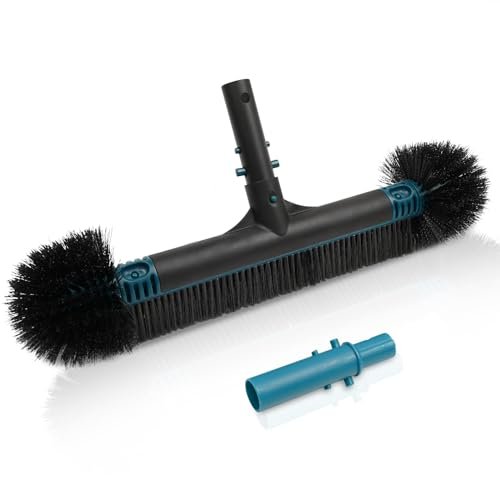 Poolvio 20" 2-in-1 Pool Brush Head (Walls & Floor)
Sturdy 20-inch brush head that clips onto any standard telescopic pole. View on Amazon →
Poolvio 20" 2-in-1 Pool Brush Head (Walls & Floor)
Sturdy 20-inch brush head that clips onto any standard telescopic pole. View on Amazon →
Still need help? Ask a Pool & Spa Expert AD
Get a personalized answer from PoolGuy810 — 30 years owning a pool and spa repair company. Describe your issue and get step-by-step help.
Related Pool Guides
Need More Help?
Try our free pool calculators and tools to help diagnose and fix your pool problems.
Browse Pool ToolsSLAM calculator, pH calculator, salt dosing & more