
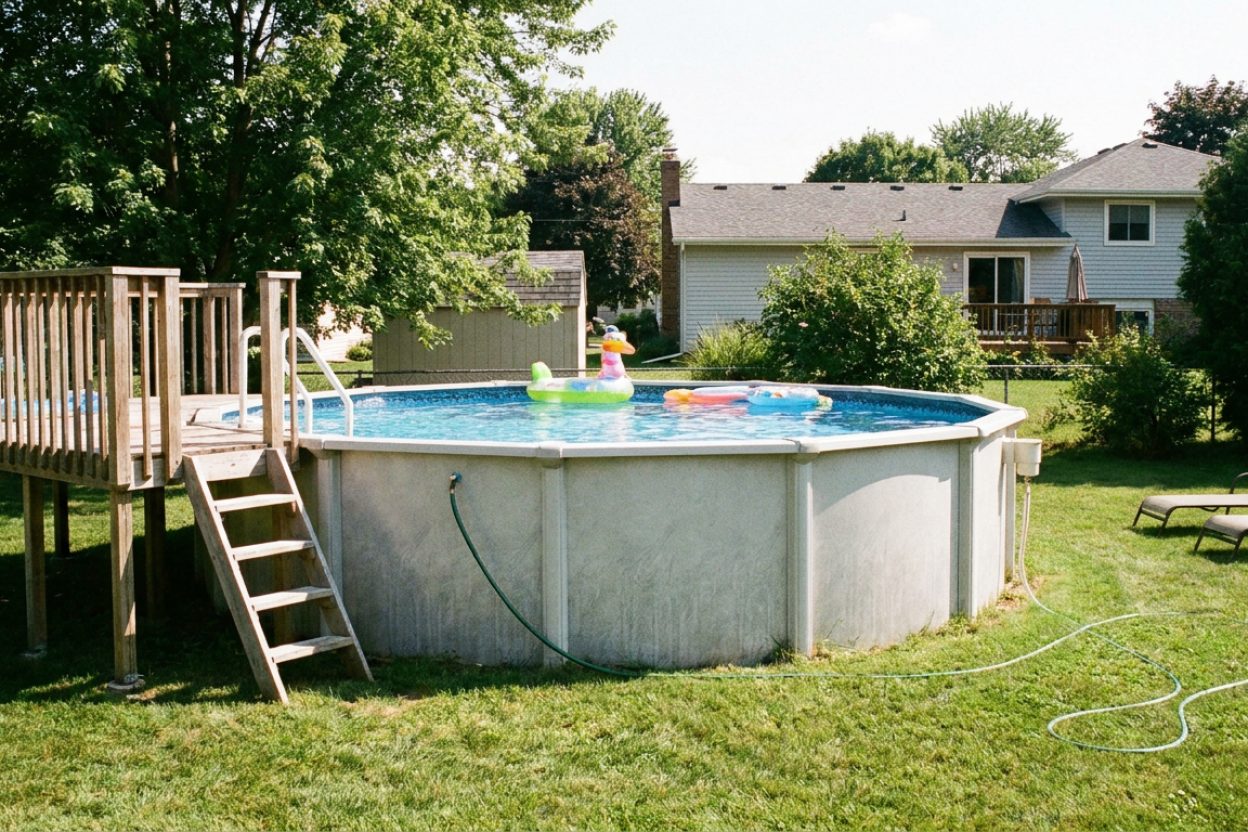
Can Pool Liners Be Repaired? Step-by-Step Repair Guide

DIY pool liner repair - avoid expensive pool store replacement?
Read full question
Last time I checked my vinyl pool liner there were several small tears scattered across the surface, but my pool store is pushing a thousands-dollar full replacement. They're making it sound like repairs never work and will just cause more problems down the line - classic upselling tactics.
Before I get taken to the cleaners again (like I do every time I walk into that place), can these small holes actually be patched reliably? I'm talking maybe 1-2 inch tears, nothing massive. Is this something I can tackle myself with the pool still full, or am I looking at draining everything and calling in the pros? Just want an honest answer about what actually works versus what makes them the most money.
Quick Answer
Yes, pool liners can be repaired using underwater patch kits for small holes and tears, or professional replacement for major damage. Most repairs can be done while the pool is full of water.
Step-by-Step Pool Liner Repair Process
Step 1: Assess the Damage
- Locate all damaged areas by carefully inspecting the entire liner surface
- Measure each tear or hole to determine if it's under 6 inches (patchable) or larger (may need professional attention)
- Check for multiple small holes that might indicate liner deterioration
- Take photos of damage for reference if considering professional help
- Note the location - repairs near skimmers or returns require extra care
Step 2: Gather Your Repair Materials
- Purchase an underwater vinyl patch kit (brands like Boxer Adhesives or Blue Wave work well)
- Get liner material that matches your pool (if available from manufacturer)
- Obtain vinyl liner adhesive designed for underwater use
- Gather scissors, sandpaper (600-grit or finer), and clean rags
- Have isopropyl alcohol ready for surface cleaning
Step 3: Prepare the Repair Area
- Clean the damaged area thoroughly with a pool brush to remove algae and debris
- Lightly sand around the tear to create better adhesion (be gentle to avoid enlarging the hole)
- Cut your patch material 2-3 inches larger than the damage on all sides
- Round the corners of your patch to prevent peeling
- Clean the patch material with alcohol and let it air dry
Step 4: Apply the Underwater Patch
- Apply the vinyl liner adhesive generously to both the liner and patch surfaces
- Wait 30-60 seconds for adhesive to become tacky (follow manufacturer instructions)
- Carefully position the patch over the damage, starting from one edge
- Press firmly from center outward to eliminate air bubbles
- Hold pressure for 2-3 minutes to ensure proper bonding
- Apply additional adhesive around patch edges if needed
Step 5: Allow Proper Curing Time
- Keep pool water level stable for 24-48 hours after repair
- Avoid swimming for at least 24 hours to prevent patch displacement
- Check the repair daily for the first week to ensure it's holding
- Monitor water chemistry to prevent liner degradation around repair area
Step 6: Test and Monitor the Repair
- After 48 hours, gently test patch edges for secure adhesion
- Resume normal pool operations including filtration and cleaning
- Watch for any bubbling or lifting around patch edges
- Document repair date and location for future reference
When Professional Replacement is Needed
While many liner repairs are DIY-friendly, some situations require professional intervention:
- Large tears over 6 inches or complex damage patterns: These compromise structural integrity and may continue spreading
- Multiple repair areas: Indicates overall liner deterioration and potential failure
- Tears near pool edges or fittings: These high-stress areas need specialized repair techniques
- Wrinkles affecting water circulation: May require partial draining and re-stretching
- Age-related brittleness: Liners over 10-12 years old may not hold patches reliably
Maintaining Water Chemistry During Repairs
Important: Proper water chemistry prevents further liner damage and ensures repair longevity. Maintain these levels throughout the repair process:
- Free Chlorine (FCFree Chlorine — The chlorine actively sanitizing your water right now. This is the number you keep an eye on. how much you need →): 4-6 ppm for CYACyanuric Acid (stabilizer) — Sunscreen for your chlorine — it keeps sunlight from burning it off. The catch: the more you have, the more chlorine you need to keep. learn more → 30-50, 6-8 ppm for CYA 60-80 (use the all-in-one pool calculator for an estimate of the free chlorine for your CYA)
- pH: 7.4-7.6 (a comfortable, balanced range; vinyl is fairly pH-tolerant, so just avoid extremes)
- Total Alkalinity: 80-120 ppm
- Calcium Hardness: 250-350 ppm for plaster (175-225 ppm for vinyl/fiberglass)
- Cyanuric Acid (CYA): 30-50 ppm
Test water chemistry with a quality test kit like the Taylor K-2006 before and after repairs. High chlorine levels can degrade patches, while low levels promote algae growth that can compromise repairs.
Prevention Tips for Future Liner Protection
Extend your liner's life and reduce repair needs with these practices:
- Maintain balanced water chemistry year-round
- Use pool covers to reduce UV exposure and chemical demand
- Avoid sharp objects and rough play near pool walls
- Regularly inspect and maintain pool equipment to prevent stress on liner
- Address small issues immediately before they become major problems
- Consider upgrading to thicker mil liners (25-30 mil) during replacement
For the full breakdown of safe chlorine levels by CYA level, see our pool water chemistry guide.

Still need help? Ask a Pool & Spa Expert AD
Get a personalized answer from PoolGuy810 — 30 years owning a pool and spa repair company. Describe your issue and get step-by-step help.
Related Pool Guides
Need More Help?
Try our free pool calculators and tools to help diagnose and fix your pool problems.
Browse Pool ToolsSLAM calculator, pH calculator, salt dosing & more