
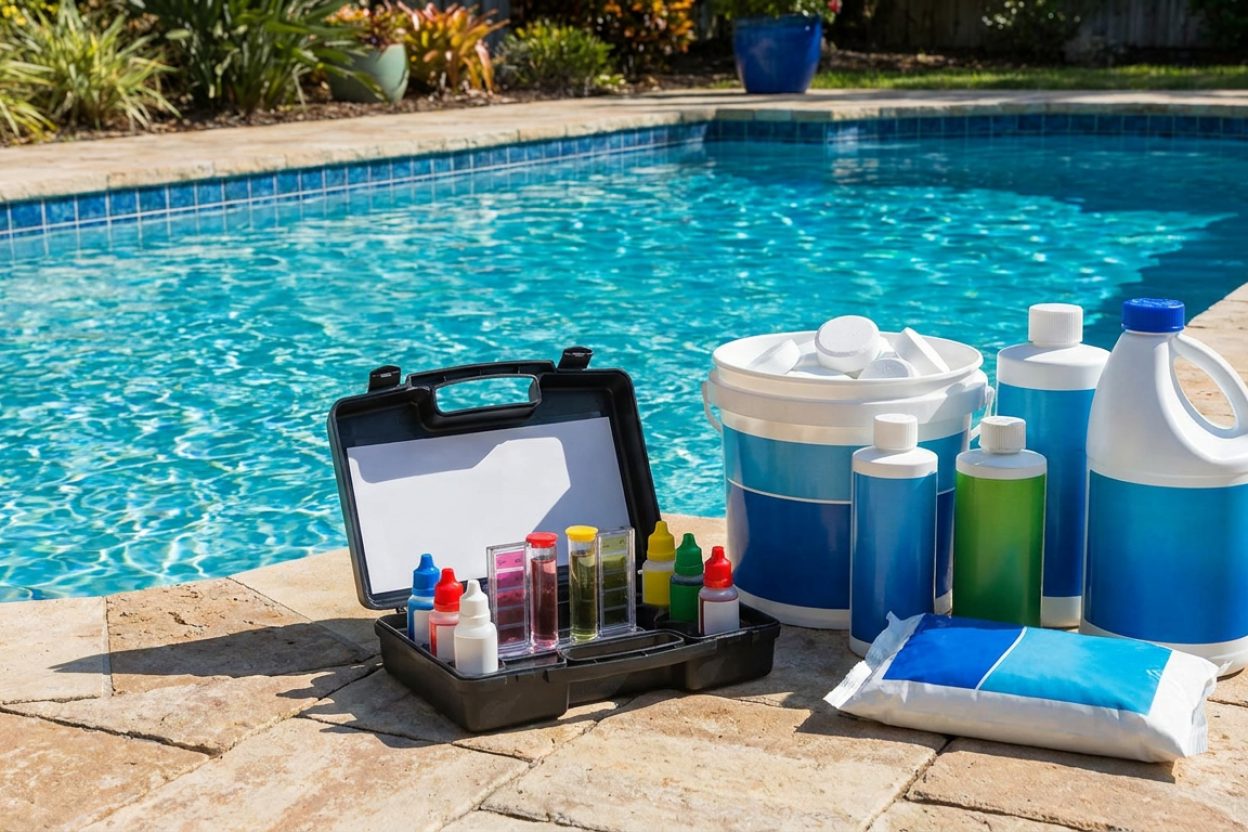
Can You Use Pool Chlorine in Washing Machine? Safety Guide

Is pool chlorine safe to use as laundry bleach substitute?
Read full question
Despite my pool chlorine testing at 12.5% sodium hypochlorite, my laundry bleach bottle says 6% - can I actually use the stronger pool stuff in my washing machine? My understanding is that both pool chlorine and household bleach contain sodium hypochlorite as the active ingredient, but I need to verify the concentration differences and potential compatibility issues.
Specifically, I'm concerned about whether the higher concentration levels in pool chemicals could cause damage to washing machine components, fabric degradation, or create hazardous chemical reactions when mixed with detergents. What are the technical considerations and safety protocols I should evaluate before attempting this substitution?
Quick Answer
It is the same chemical as laundry bleach — sodium hypochlorite — just two to four times stronger, so properly diluted it would technically work. But it is not worth it for laundry: at that strength it is hard to measure, easy to overdo (weakening fibers and causing discoloration), and needs careful handling. Plain laundry bleach is cheaper to dose right and simpler, with no real upside to the pool version.
Understanding Pool Chlorine vs. Household Bleach
Pool chlorine and household bleach may seem similar since they both contain sodium hypochlorite, but they differ dramatically in concentration and formulation. Liquid pool chlorine typically contains 10-12.5% sodium hypochlorite, while household bleach contains only 3-6%. This concentration difference means pool chlorine is approximately 2-4 times stronger than regular laundry bleach.
The key difference isn't additives — liquid pool chlorine is essentially the same sodium hypochlorite as laundry bleach, just two to four times stronger. That concentration is the real problem: undiluted, it's much harder to measure safely and far more likely to weaken fibers, cause discoloration, or damage washing-machine components. (Plain bleach is the safer choice for laundry; also skip "splash-less" or scented bleaches, which carry thickeners and fragrances.)
Risks of Using Pool Chlorine in Your Washing Machine
Fabric Damage
The high concentration of sodium hypochlorite in pool chlorine will likely destroy most fabrics. Even white cotton items can suffer from fiber breakdown, leading to holes, thinning, and premature wear. Colored fabrics will experience severe bleaching and discoloration that cannot be reversed.
Washing Machine Damage
Pool chlorine's high concentration can corrode metal components in your washing machine, including the drum, springs, and internal mechanisms. The rubber seals and hoses are particularly vulnerable to chlorine damage, potentially leading to leaks and expensive repairs. Modern high-efficiency machines with electronic components are especially susceptible to damage from harsh chemicals.
Chemical Safety Concerns
Never mix pool chlorine with other laundry products. Combining chlorine with ammonia-based products or certain cleaners can create toxic chloramine gas, which is extremely dangerous. (Keep fabric softeners out of the same cycle too, mainly because bleach and softener cancel each other out.) Pool chlorine's higher concentration increases the risk of these dangerous chemical reactions.
Safe Alternatives for Laundry Whitening and Disinfection
Household Bleach
Use only bleach specifically designed for laundry, which contains 3-6% sodium hypochlorite. Follow the manufacturer's instructions, typically using 1/2 to 3/4 cup per load for standard top-loading machines, or 1/3 cup for high-efficiency machines. Always add bleach to the designated dispenser or dilute it in water before adding clothes.
Oxygen Bleach
Color-safe oxygen bleach (sodium percarbonate) provides effective whitening and stain removal without the harsh effects of chlorine. It's safer for both fabrics and washing machines while still providing disinfecting properties.
White Vinegar
Add 1/2 cup of white vinegar to the rinse cycle for natural whitening and fabric softening. Vinegar also helps remove soap residue and can brighten white fabrics over time.
Baking Soda
Add 1/2 cup of baking soda to your regular detergent for enhanced cleaning power and natural deodorizing. This is particularly effective for removing odors and brightening whites.
Proper Pool Chlorine Storage and Handling
Since you have pool chlorine available, it's important to store and handle it properly. Keep liquid chlorine in its original container, away from heat sources and direct sunlight. Store it in a well-ventilated area, separate from other chemicals, especially acids. The storage area should be cool and dry, as heat can cause chlorine to break down and become less effective.
Always wear protective equipment when handling pool chlorine, including safety glasses and chemical-resistant gloves. Never mix pool chlorine with other chemicals, and ensure adequate ventilation when using it for its intended pool maintenance purposes.
What to Do If You've Already Used Pool Chlorine
If you've already added pool chlorine to your washing machine, stop the cycle immediately and run several rinse cycles with cold water only. Do not add any other chemicals or detergents during this process. After thoroughly rinsing, run one or two more empty cycles with plain cold water to flush out any remaining chlorine. Don't add vinegar or any acid — chemistry sources warn that acid mixed with chlorine residue can release toxic chlorine gas.
Inspect your clothes carefully for damage. Items that have been exposed to pool chlorine may continue to deteriorate over time, even after washing. Watch for signs of fabric weakness, holes, or continued discoloration.
Professional Alternatives
For heavily soiled or stained items that require intensive treatment, consider professional cleaning services. Dry cleaners have access to specialized chemicals and equipment designed for fabric restoration and stain removal that are much safer and more effective than improvised solutions.
For regular disinfection needs, especially during illness outbreaks, use EPA-registered laundry disinfectants specifically formulated for home washing machines. These products provide effective germ-killing power without the risks associated with pool chemicals.
Still need help? Ask a Pool & Spa Expert AD
Get a personalized answer from PoolGuy810 — 30 years owning a pool and spa repair company. Describe your issue and get step-by-step help.
Related Pool Guides
Need More Help?
Try our free pool calculators and tools to help diagnose and fix your pool problems.
Browse Pool ToolsSLAM calculator, pH calculator, salt dosing & more