
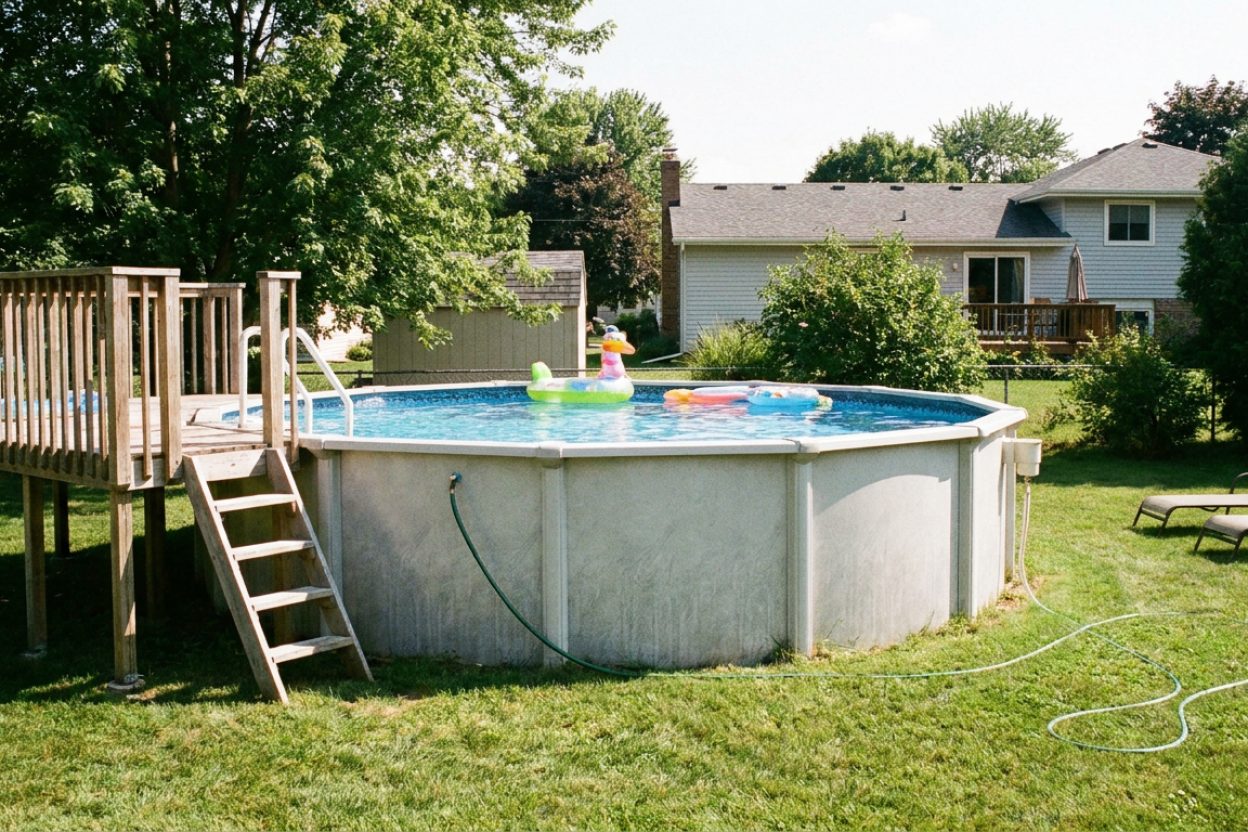
Should You Drain Above Ground Pool for Winter? Complete Guide

Proper water level management for winterizing above ground pools?
Read full question
Despite having my winter prep checklist ready and being determined to winterize this above ground pool myself — just need to nail down the right water level for safe storage. I've seen conflicting information about whether to completely drain the pool or maintain partial water levels during freezing months.
Specifically, I need technical guidance on optimal water height relative to skimmer and return line positions, and the structural implications of different drainage approaches. What are the engineering considerations regarding liner integrity and ground pressure effects during winter storage?
Quick Answer
You should partially drain your above ground pool for winter, lowering water level 4-6 inches below skimmer and return lines. Complete drainage can damage the liner and structure due to ground pressure and freezing.
Why Partial Drainage is Essential
Above ground pools require partial drainage during winterization for several critical reasons. The water level must be lowered below all plumbing lines to prevent freeze damage to your equipment. When water freezes in pipes, skimmers, or return fittings, it expands and can crack these expensive components.
Additionally, maintaining some water in the pool is crucial for structural integrity. The water helps support your pool walls against ground pressure and prevents the liner from shrinking, cracking, or developing permanent wrinkles. A completely drained above ground pool loses the water that supports its walls and can be blown over or collapse, while the bare liner dries out, shrinks, and cracks.
Step-by-Step Winter Drainage Process
Determine Proper Water Level
The target water level depends on your pool's plumbing configuration. For pools with through-wall skimmers, lower the water to 4-6 inches below the skimmer opening. If your pool has above-ground plumbing connections, drain to just below the lowest return jet. This prevents water from sitting in lines where it could freeze and cause damage.
Balance Water Chemistry First
Before draining, balance your pool's chemistry for winter storage. Test and adjust pH to 7.2-7.6, total alkalinity to 80-120 ppm, and calcium hardness to 250-350 ppm for plaster (175-225 ppm for vinyl/fiberglass). Add a winter algaecide according to package directions, typically 1 quart per 20,000 gallons. Shock the pool using the FC/CYAFC/CYA chart — The chart that sets your chlorine target from your stabilizer (CYA) level — the two go together. see the chart → chart — for winter closing, raise free chlorine to the high end of the recommended range for your CYACyanuric Acid (stabilizer) — Sunscreen for your chlorine — it keeps sunlight from burning it off. The catch: the more you have, the more chlorine you need to keep. learn more → (shock level is roughly 40% of your CYA reading). Then add a winterizing chemical kit following manufacturer instructions.
Drainage Methods
Most above ground pools don't have a main drain, so a submersible or sump pump is the easiest way to lower the water level — it removes water precisely and gives you exact control over the final level. If you do drain through a wall fitting using the pump and filter, monitor it carefully to avoid running the pump dry.
Equipment Winterization During Drainage
As you lower the water level, begin winterizing your pool equipment. Remove all drain plugs from the pump, filter housing, heater, and any other equipment. Store these plugs in the pump basket so you won't lose them over winter. Blow out all plumbing lines using a pool-specific blower or air compressor to remove remaining water.
Remove and clean your skimmer basket and pump basket. Install winter plugs in all wall returns and skimmer openings to prevent water from entering the lines. For pools with through-wall skimmers, install a skimmer guard or Gizzmo to protect against ice expansion damage.
Regional Considerations for Drainage
Cold Climate Requirements
In regions where temperatures regularly drop below 32°F, proper drainage becomes even more critical. Consider lowering water level slightly more in extremely cold areas, but never below the halfway point of your pool walls. Install air pillows under your winter cover to help prevent ice damage and reduce stress on pool walls.
Moderate Climate Adjustments
In warmer winter regions where hard freezes are rare, you may only need to lower water level 2-4 inches below return lines. However, always err on the side of caution, as unexpected cold snaps can cause significant damage to inadequately winterized pools.
Common Drainage Mistakes to Avoid
Never completely drain your above ground pool. This is the most serious mistake pool owners make during winterization. An empty pool can collapse, develop liner damage, or shift position, requiring expensive repairs or complete replacement.
Avoid draining too early in the season while temperatures remain warm. Algae growth accelerates in partially filled pools with warm weather, making spring opening more difficult. Wait until consistently cool weather arrives (sustained temperatures below 65°F) before beginning winterization.
Don't forget to remove water from equipment after draining the pool. Even small amounts of water left in pump housings or filter tanks can cause freeze damage requiring equipment replacement.
Spring Preparation Benefits
Proper winter drainage makes spring opening much easier. With correctly balanced water already in the pool, you'll only need to refill to operating level, reconnect equipment, and fine-tune chemistry. Pools that were improperly drained often require complete water replacement and extensive cleaning, costing hundreds of dollars in water and chemicals.
Plan to begin spring startup when nighttime temperatures consistently stay above 50°F. This timing prevents equipment damage from late freezes while ensuring your pool is ready for swimming season.
For the full breakdown of safe chlorine levels by CYA level, see our pool water chemistry guide.
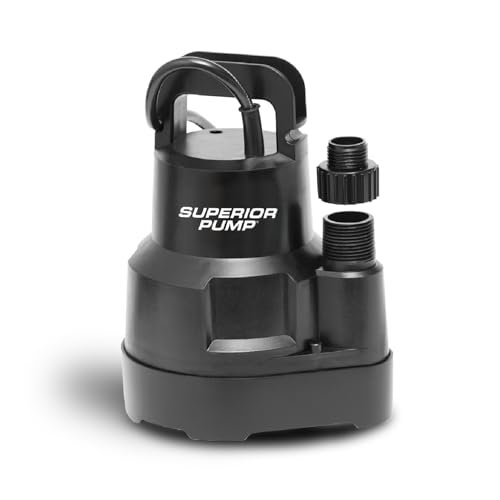 Superior Pump 91014 1/4 HP Submersible Utility Pump
Drains a pool, cover, or equipment pit when you need to lower the water. View on Amazon →
Superior Pump 91014 1/4 HP Submersible Utility Pump
Drains a pool, cover, or equipment pit when you need to lower the water. View on Amazon →
 Taylor K-2006C Complete FAS-DPD Pool & Spa Test Kit
The FAS-DPD kit pool pros trust — reads chlorine accurately even at shock/SLAM levels, plus pH, alkalinity, calcium hardness and CYA. View on Amazon →
Taylor K-2006C Complete FAS-DPD Pool & Spa Test Kit
The FAS-DPD kit pool pros trust — reads chlorine accurately even at shock/SLAM levels, plus pH, alkalinity, calcium hardness and CYA. View on Amazon →
Still need help? Ask a Pool & Spa Expert AD
Get a personalized answer from PoolGuy810 — 30 years owning a pool and spa repair company. Describe your issue and get step-by-step help.
Related Pool Guides
Need More Help?
Try our free pool calculators and tools to help diagnose and fix your pool problems.
Browse Pool ToolsSLAM calculator, pH calculator, salt dosing & more