
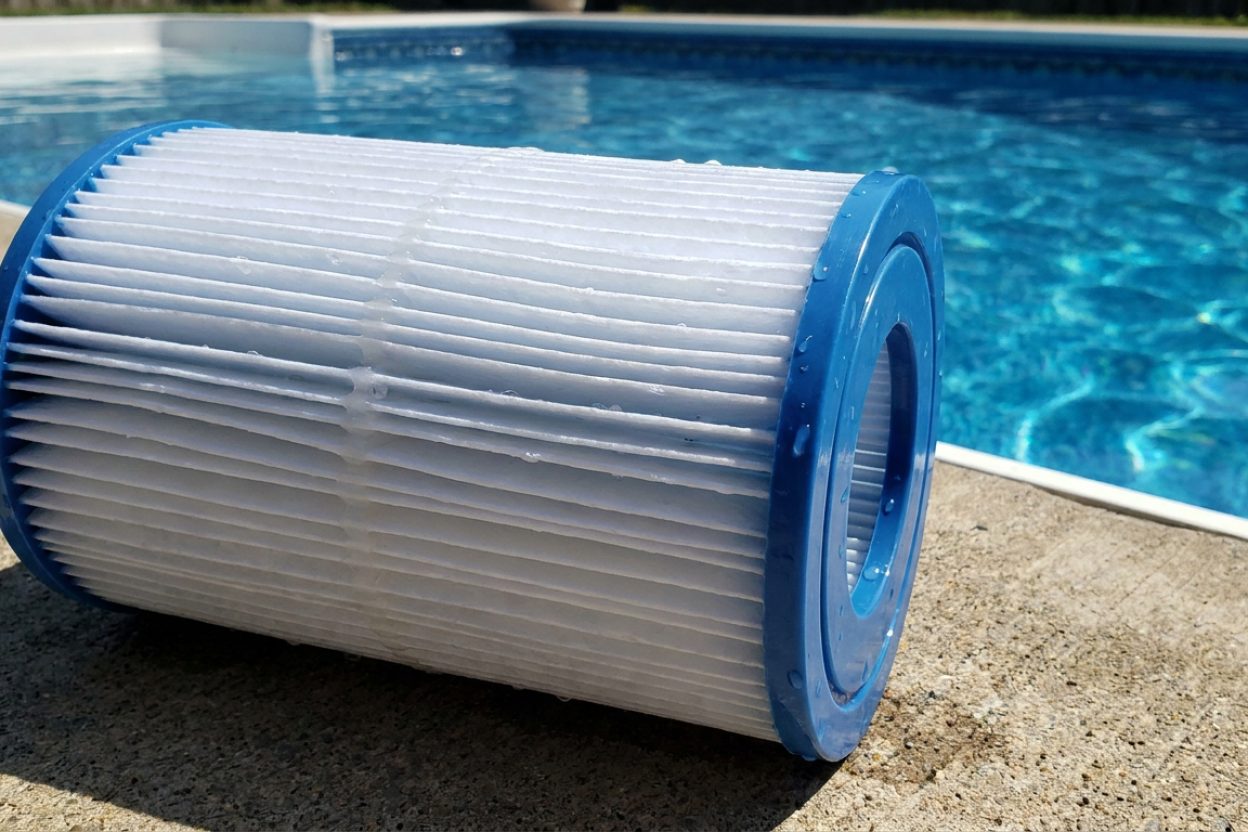
When to Change Sand in Pool Filter: Complete Guide 2026

How often should I replace sand in my pool filter system?
Read full question
Halfway through the pool season and my sand filter is already eating through replacement sand way faster than it should. The filter has been in operation for approximately two years, and I want to determine the optimal replacement interval for the sand media to ensure consistent filtration performance.
Specifically, I'm looking for technical guidance on the expected service life of pool filter sand, what operational indicators suggest replacement is necessary, and how deteriorated sand affects overall system efficiency. My current setup maintains proper chemical balance, but I want to stay ahead of any filtration issues that could compromise water quality.
Quick Answer
Sand in pool filters should be changed every 3-5 years when it becomes worn and stops filtering effectively. Signs include cloudy water, shorter backwash cycles, and decreased water flow.
Step-by-Step Process to Determine if Your Sand Needs Replacement
- Check the age of your sand - If it's been more than 3 years since installation or last replacement, it's likely time for a change. Most pool sand becomes less effective after 3-5 years of use.
- Examine water clarity after backwashing - Perform a standard backwash cycle. If your pool water remains cloudy or becomes cloudy again within 24-48 hours, this indicates the sand is no longer filtering effectively.
- Monitor backwash frequency - If you're needing to backwash more than once per week during normal operation, or if the time between backwashes has significantly decreased, your sand may be channeling rather than filtering.
- Test water flow rate - Compare your current flow rate to when the sand was new. A significant decrease (more than 20%) even after backwashing indicates sand compaction or calcification.
- Inspect the sand physically - Remove the multiport valve and use a flashlight to look at the sand surface. If you see dark spots, biofilm, or the sand appears cemented together, replacement is needed.
- Check for calcium buildup - If your water has high calcium hardness (over 400 ppm consistently), calcium deposits may have cemented the sand together, reducing its effectiveness.
Warning Signs Your Sand Filter Needs Replacement
- Persistent cloudy water despite proper chemical balance and regular backwashing
- Algae blooms return quickly even with adequate chlorine levels
- Shorter filter cycles - pressure builds up faster than normal
- Reduced water flow from return jets
- Fine debris passing through and settling on pool bottom
- Biofilm or black spots visible on sand surface
- Chemical consumption increases without obvious cause
- Sand in pool - indicates laterals may be damaged or sand is too fine
How to Replace Pool Filter Sand
- Turn off the pool pump and ensure the system is completely shut down. Safety warning: Never work on pool equipment while the pump is running.
- Depressurize the system, then remove the multiport valve (or filter lid) to access the filter tank.
- Remove old sand using a shop vacuum or scoop it out manually. This typically requires removing 150-300 pounds of sand depending on your filter size.
- Inspect laterals and center pipe for cracks or damage while the tank is empty. Replace any damaged components before adding new sand.
- Add new filter sand gradually - Use only #20 silica sand specifically designed for pool filters. Fill the tank 2/3 full, which typically requires 150-300 pounds depending on filter size.
- Level the sand surface and ensure it covers the laterals by 2-3 inches but doesn't exceed the recommended fill line.
- Reinstall multiport valve with new gaskets and o-rings as needed.
- Perform initial backwash for 3-5 minutes to remove sand dust and settle the bed.
- Run filter cycle for 24 hours before switching to normal operation.
Sand Filter Maintenance to Extend Life
Proper maintenance can help extend your sand's effectiveness:
- Regular backwashing when pressure gauge reads 8-10 psi above clean pressure
- Chemical cleaning every 3-4 months using filter cleaner to remove oils and biofilm
- Maintain proper water chemistry - pH 7.4-7.6, total alkalinity 80-120 ppm, calcium hardness 250-350 ppm
- Use clarifier sparingly as overuse can cause sand to clump together
- Consider DE powder addition occasionally to improve filtration temporarily
Cost and Timing Considerations
Sand replacement typically costs $50-150 in materials plus labor if hiring a professional. Spring is the ideal time for sand replacement, allowing the new sand to settle before peak swimming season. If you're experiencing filtration issues mid-season, don't wait - poor filtration leads to higher chemical costs and potential health risks.
Professional tip: Keep a log of your sand replacement dates and filter performance. This helps establish the optimal replacement schedule for your specific pool conditions and usage patterns.
For the full breakdown of safe chlorine levels by CYACyanuric Acid (stabilizer) — Sunscreen for your chlorine — it keeps sunlight from burning it off. The catch: the more you have, the more chlorine you need to keep. learn more → level, see our pool water chemistry guide.
Still need help? Ask a Pool & Spa Expert AD
Get a personalized answer from PoolGuy810 — 30 years owning a pool and spa repair company. Describe your issue and get step-by-step help.
Related Pool Guides
Need More Help?
Try our free pool calculators and tools to help diagnose and fix your pool problems.
Browse Pool ToolsSLAM calculator, pH calculator, salt dosing & more