
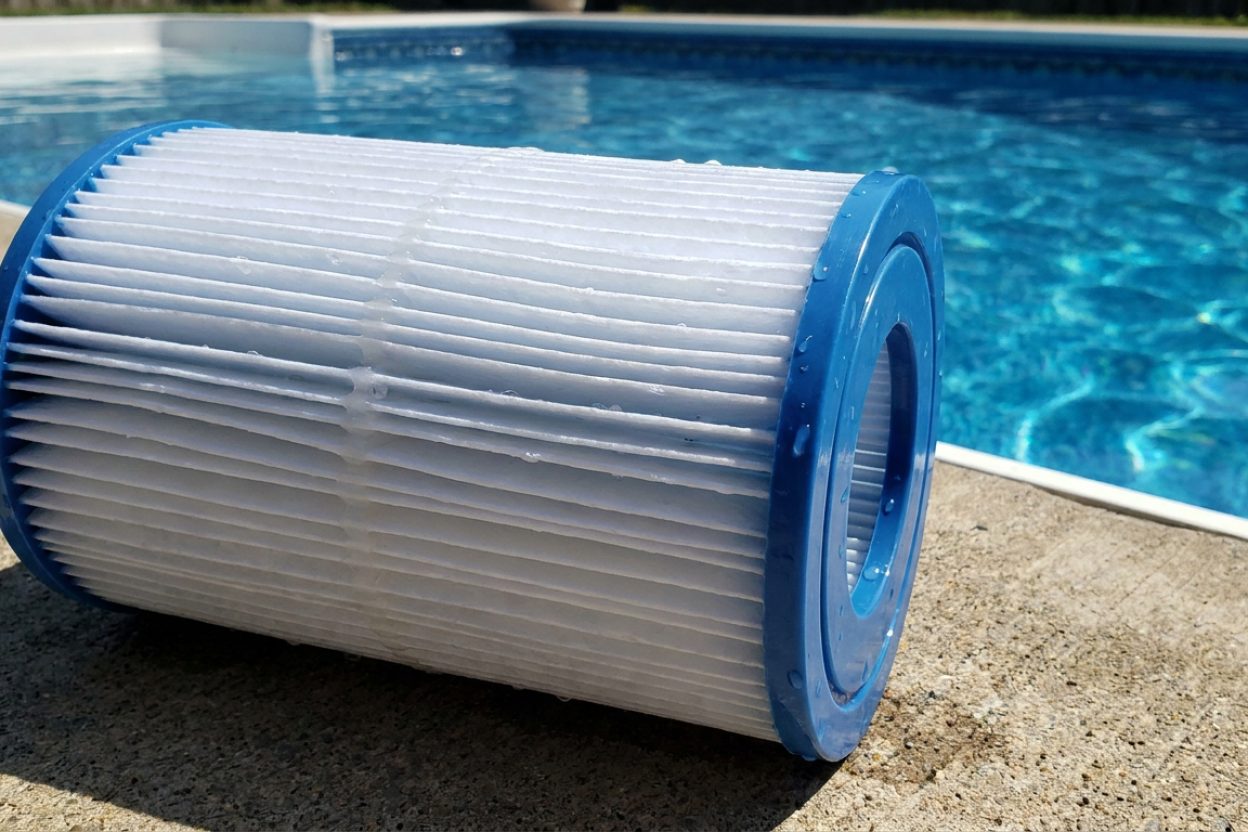
Does Pool Filter Sand Type Matter? Complete Sand Guide

Does the type of sand I put in my filter actually matter?
Read full question
Last week my pool guy swore 20-silica sand is all the same, but my filter's clogging in 2 months instead of the 6-month replacement schedule everyone talks about. The guy there was trying to sell me on some fancy zeolite stuff that costs way more than regular sand.
I mean, sand is sand, right? Or does the type actually affect how well it filters and how often I'll need to backwash? Don't want to cheap out if it means dealing with cloudy water all summer, but also don't want to get upsold on something that's just marketing hype.
Quick Answer
Yes, the type of pool filter sand you use matters significantly for filtration effectiveness and maintenance frequency. Silica sand is standard, while zeolite and glass sand offer superior filtration but cost more.
Types of Pool Filter Sand
Silica Sand (Standard Filter Sand)
Traditional silica sand remains the most commonly used filter media in sand filters. This natural quartz-based sand features angular grains that trap particles as small as 20-40 microns. Quality silica sand should be #20 grade (.841-1.19mm) and specifically designed for pool filtration - never use construction sand or play sand.
Pros: Most affordable option, widely available, proven track record, easy to find replacement sand
Cons: Requires replacement every 3-5 years, captures larger particles only, needs frequent backwashing
Zeolite Sand
Zeolite is a natural volcanic mineral that offers superior filtration capabilities compared to silica sand. Its porous structure and negative ionic charge attract and trap particles as small as 5-10 microns, plus it has the unique ability to absorb ammonia and some chloramines.
Pros: Filters particles 2-4 times smaller than silica, reduces chloramine formation, lasts 5-7 years, requires less frequent backwashing
Cons: Costs 2-3 times more than silica sand, requires special activation process, not available everywhere
Glass Filter Media
Recycled glass media has gained popularity as an eco-friendly alternative that provides excellent filtration. The smooth, angular glass particles filter down to 5-10 microns and resist biofilm formation that can clog traditional sand.
Pros: Exceptional clarity, lasts 5-8 years, eco-friendly, resists bacterial growth, requires minimal backwashing
Cons: Most expensive option, requires careful handling during installation, limited availability in some areas
Performance Differences That Matter
Filtration Effectiveness
The micron rating difference between sand types dramatically affects water clarity. Standard silica sand captures particles 20-40 microns and larger, which handles most debris but allows smaller contaminants through. This is why pools with silica sand sometimes appear cloudy even with proper chemical balance.
Zeolite and glass media capture particles in the 5-10 micron range, removing algae spores, bacteria, and fine debris that passes through silica sand. This results in noticeably clearer, more sparkling water that requires less chemical intervention.
Chemical Interaction Benefits
Zeolite's ammonia absorption capability provides a unique advantage by reducing chloramine formation. Since chloramines cause the "chlorine smell" and eye irritation, pools using zeolite often feel more comfortable to swimmers and require less shocking to eliminate combined chlorine.
Glass media's smooth surface resists biofilm formation, reducing the bacterial buildup that can consume chlorine and create water quality issues. This means your sanitizer works more efficiently, potentially reducing chemical costs over time.
Cost Analysis Over Time
While premium filter media costs more upfront, the long-term economics often favor upgraded options:
Silica Sand: $30-50 per filter, replaced every 3-5 years = $6-17 annually
Zeolite: $80-120 per filter, replaced every 5-7 years = $11-24 annually
Glass Media: $100-150 per filter, replaced every 7-10 years = $10-21 annually
Factor in reduced backwashing frequency (saving water and chemicals), improved filtration reducing shock treatments, and potential equipment longevity improvements, and premium media often provides better value.
Installation Considerations
All filter sand types require proper installation techniques, but some need special attention. Always turn off the pump and relieve pressure before opening the filter. Remove the old sand completely - never mix different media types.
For zeolite installation, rinse the media until water runs clear, then follow manufacturer activation instructions - typically this involves soaking in a dilute chlorine solution to activate the mineral's filtering properties. Glass media requires careful handling to avoid cuts and thorough rinsing to remove glass dust.
Regardless of media type, maintain proper water levels in the filter during filling to prevent damage to internal components.
Maintenance Differences
Your choice of filter sand affects ongoing maintenance requirements significantly. Silica sand typically needs backwashing when pressure rises 8-10 PSI above clean levels, often weekly during swimming season.
Premium media like zeolite and glass require backwashing less frequently - sometimes only when pressure rises 10-15 PSI above normal. This saves water, reduces chemical dilution, and decreases wear on your pump and filter system.
Important: Never use pool filter cleaning chemicals with glass media, as they can etch the surface and reduce effectiveness.
Common Mistakes to Avoid
Don't assume all sand is equal - using construction sand or incorrect grades can damage your filter and provide poor filtration. Always verify you're purchasing pool-grade filter media from reputable suppliers.
Avoid mixing different media types in the same filter, as they have different settling and backwash characteristics. When upgrading, completely remove old media first.
Don't skip the rinsing process during installation. Inadequate rinsing can cause cloudy water that takes weeks to clear, regardless of your chemical balance.
Still need help? Ask a Pool & Spa Expert AD
Get a personalized answer from PoolGuy810 — 30 years owning a pool and spa repair company. Describe your issue and get step-by-step help.
Related Pool Guides
Need More Help?
Try our free pool calculators and tools to help diagnose and fix your pool problems.
Browse Pool ToolsSLAM calculator, pH calculator, salt dosing & more