
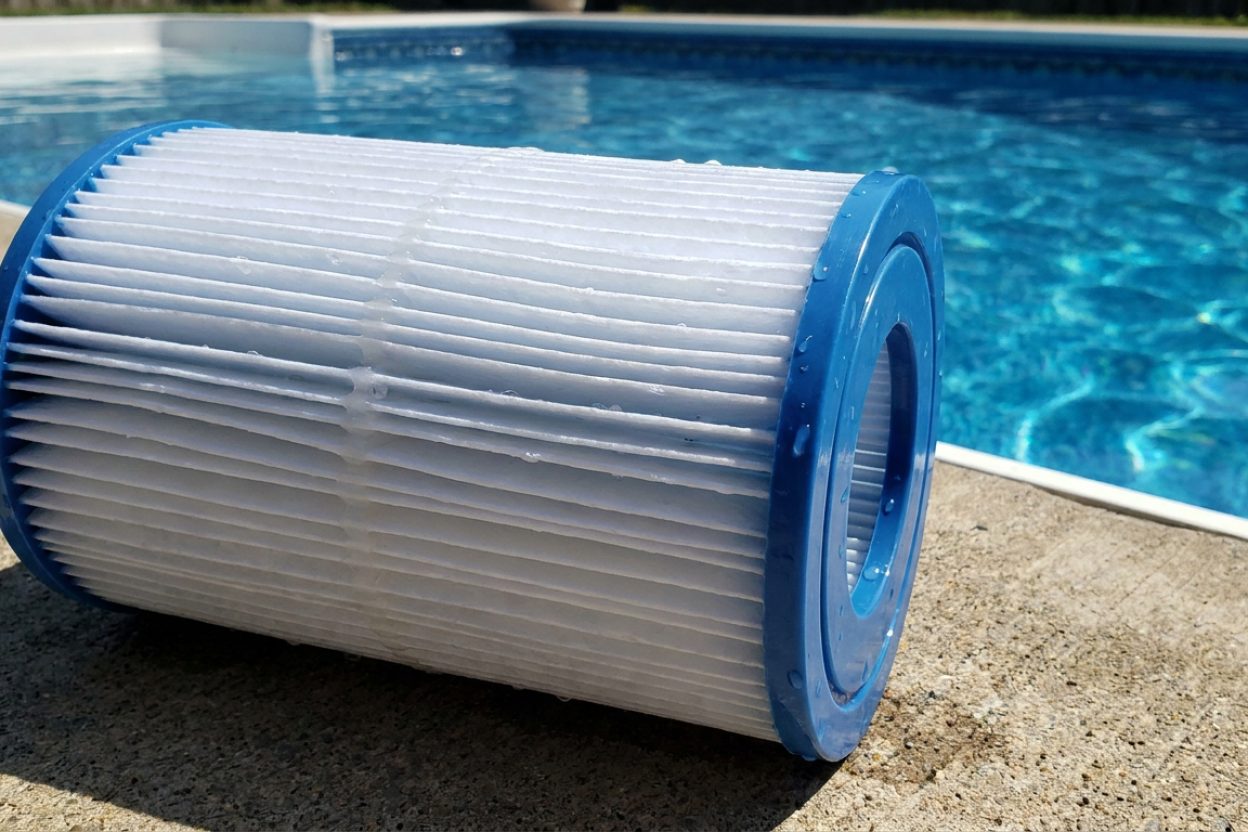
How Pool Sand Filters Work: Complete Diagram & Process

Can someone explain how sand filters actually work with a diagram?
Read full question
New pool owner trying to understand how my sand filter actually cleans the water. Watched a couple YouTube videos but they all skip over the important details. The pool store just says "backwash when pressure goes up" but I want to actually understand what's happening inside this tank.
Quick Answer
Sand filters work by forcing pool water down through a bed of special filter sand that traps debris and particles. Water enters the top, flows down through the sand layers, and exits clean at the bottom through lateral tubes.
Sand Filter Components Diagram
Understanding how your sand filter works starts with knowing its key components:
- Tank: Fiberglass or polymer vessel containing the sand bed
- Multiport Valve: Controls water flow direction (filter, backwash, rinse, waste, recirculate, closed)
- Sand Bed: 150-300 lbs of #20 silica sand depending on filter size
- Laterals: Slotted tubes at tank bottom that collect filtered water
- Central Standpipe: Vertical tube connecting laterals to multiport valve
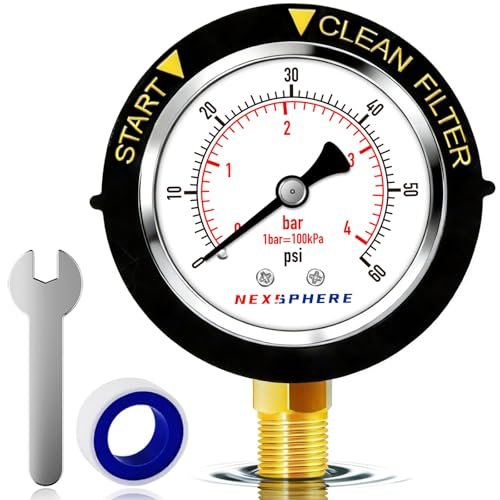
- Pressure Gauge: Monitors filter pressure for maintenance timing
Normal Filtration Process
During normal operation, your pool pump creates the pressure that drives the filtration process:
- Water Entry: Pool water enters the filter tank through the multiport valve set to "Filter" position
- Distribution: Water spreads across the top of the sand bed through the distributor assembly
- Downward Flow: Gravity and pump pressure force water down through the sand layers
- Particle Capture: Sand grains trap debris, oils, and particles typically down to 20-40 microns
- Clean Water Collection: Filtered water enters the lateral tubes through their slots
- Return to Pool: Clean water flows up the standpipe and back to your pool
How Sand Layers Work
The sand bed isn't just randomly poured sand - it creates a sophisticated filtration system:
Top Layer Function
The top 6 inches of sand capture the largest debris particles. This layer becomes "dirty" first and requires the most cleaning during backwashing. Over time, this layer becomes more effective at trapping particles as accumulated debris creates additional filtration pathways.
Middle Layer Filtration
The middle portion of your sand bed (usually 12-18 inches) provides the primary filtration. Sand grains here are tightly packed, creating tortuous pathways that force particles into contact with sand surfaces where they stick.
Bottom Layer Polishing
The bottom 6 inches of sand provides final "polishing" of the water. By the time water reaches this level, most particles are already captured, so this layer stays relatively clean and provides consistent flow through the laterals.
Backwash Cycle Diagram
Backwashing reverses the water flow to clean your sand bed:
- Valve Position: Turn multiport valve to "Backwash" position
- Reverse Flow: Water enters through the laterals at the bottom
- Upward Force: Water flows up through the sand bed, lifting and agitating sand grains
- Debris Removal: Trapped particles are dislodged and carried upward
- Waste Discharge: Dirty water exits through the waste line
- Rinse: Set the multiport valve to "Rinse" for 20-30 seconds to resettle the sand bed and flush remaining debris to waste
- Sand Settling: Clean sand settles back into proper layers
Pressure Monitoring System
Your pressure gauge tells the story of your filter's condition:
- Clean Filter Pressure: Typically 8-15 PSI depending on your system
- Backwash Trigger: When pressure rises 8-10 PSI above clean pressure
- Post-Backwash: Pressure should return to within 1-2 PSI of original clean pressure
- Sand Replacement Indicator: If pressure won't drop after backwashing, sand may need replacement
Water Flow Rate Calculations
Proper flow rate ensures effective filtration without channeling:
Your sand filter should process your entire pool volume in 8-10 hours. For a 20,000-gallon pool, you need approximately 33-42 GPM flow rate. Too high flow rates (over 50 GPM) can cause channeling where water finds easy paths through the sand without proper filtration.
Maintenance Cycle Integration
Sand filters work best when integrated with proper pool chemistry:
Chemical Balance Requirements
- pH Level: Maintain 7.4-7.6 for water balance and comfort (pH doesn't affect the sand bed's mechanical filtration)
- Total Alkalinity: Keep at 80-120 ppm to prevent pH swings that affect filtration
- Free Chlorine: Maintain proper FCFree Chlorine — The chlorine actively sanitizing your water right now. This is the number you keep an eye on. how much you need → levels based on your CYACyanuric Acid (stabilizer) — Sunscreen for your chlorine — it keeps sunlight from burning it off. The catch: the more you have, the more chlorine you need to keep. learn more → using the all-in-one pool calculator (for CYA 30-50, target FC roughly 4-8 ppm, scaling up with CYA)
- Calcium Hardness: 250-350 ppm for plaster/concrete pools, 150-250 ppm for vinyl/fiberglass pools
Filtration Enhancement
For enhanced filtration, ensure proper sand bed maintenance and consider upgrading to a cartridge or DE filter system if you need to capture particles smaller than what sand filters can handle.
Troubleshooting Flow Issues
Warning: Never operate your pump without water in the system - this can damage both pump and filter components.
If your sand filter isn't working effectively, check these common issues:
- Channeling: Water finding easy paths through sand rather than filtering properly
- Sand Clumping: Old sand forming hard clusters that reduce filtration area
- Broken Laterals: Cracked collector tubes allowing sand into pool returns
- Wrong Sand Grade: Using incorrect sand size reduces filtration efficiency
Understanding your sand filter's operation helps you maintain crystal-clear water while extending equipment life. Regular backwashing when pressure rises, annual sand inspection, and replacing the sand only when problems appear (persistent channeling or calcium scaling that survives a deep clean) will keep your filter running well for years - well-maintained filter sand often lasts over a decade, sometimes the life of the filter.
For the full breakdown of safe chlorine levels by CYA level, see our pool water chemistry guide.
Still need help? Ask a Pool & Spa Expert AD
Get a personalized answer from PoolGuy810 — 30 years owning a pool and spa repair company. Describe your issue and get step-by-step help.
Related Pool Guides
Need More Help?
Try our free pool calculators and tools to help diagnose and fix your pool problems.
Browse Pool ToolsSLAM calculator, pH calculator, salt dosing & more