
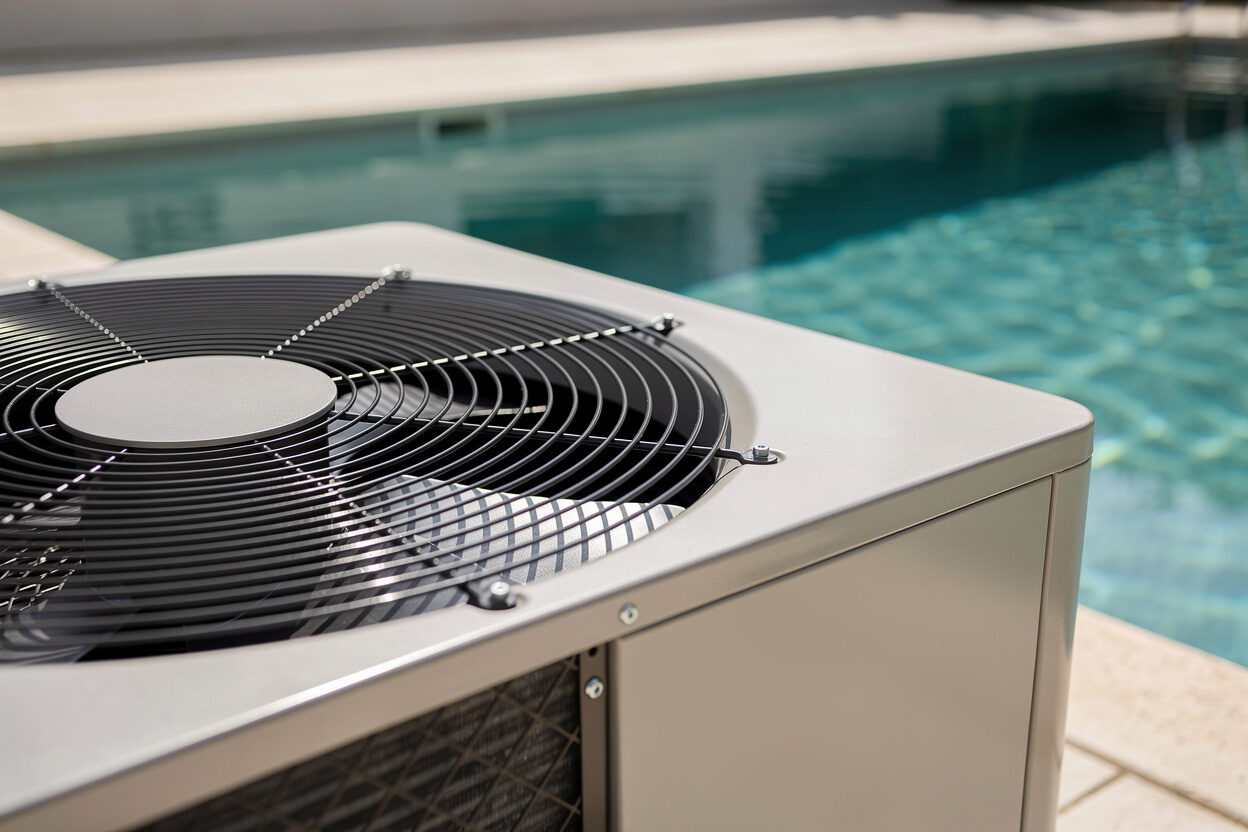
Pool Heater Lifespan in Florida: How Long They Last

How long should I expect my pool heater to last in Florida?
Read full question
Turned on my pool heater this morning and noticed those same rust spots on my 8-year-old unit are definitely getting worse. With three young kids who love to swim year-round, having consistently warm water is important for their comfort and safety.
I've been looking at both gas heaters and electric heat pump options, but I'm concerned about how Florida's climate might affect their lifespan. The humidity here is intense, and we're close enough to the coast that salt air is definitely a factor. Should I expect to replace the heater more frequently than if we lived somewhere with milder weather? I want to budget appropriately and ensure we always have reliable heating for safe, comfortable swimming conditions.
Quick Answer
Pool heaters in Florida typically last 5-10 years for gas units and 10-15 years for electric heat pumps. The humid, salty climate and year-round usage significantly impact longevity compared to other regions. Proper maintenance, including chemical balance and regular professional service, can help extend the life of your heater.
First, Let's Diagnose Your Heater's Expected Lifespan
Good news: understanding your Florida pool heater's lifespan doesn't require an expensive technician visit — you can assess its condition and predict replacement timing yourself. Florida's humid, salt-laden air, year-round pool usage, and intense UV exposure create challenging conditions that significantly impact heater longevity compared to other regions.
The type of heater you have is the primary determining factor:
- Gas heaters (natural gas/propane): 5-10 years in Florida
- Electric heat pumps: 10-15 years with proper maintenance
- Solar heaters: 15-20 years for panels, 3-5 years for controllers
Gas Heater Lifespan in Florida
Gas heaters face the shortest lifespan in Florida due to several environmental challenges. The constant humidity accelerates corrosion of internal components, while salt air from coastal areas attacks metal heat exchangers and burner assemblies.
Expected Timeline for Gas Heaters:
- Years 1-3: Peak performance with minimal issues
- Years 4-6: Minor repairs needed - ignition problems, thermostat issues
- Years 7-10: Major component failures - heat exchanger corrosion, burner replacement
Coastal properties typically see the lower end of this range (5-7 years) due to increased salt exposure, while inland properties may reach 8-10 years with excellent maintenance.
Electric Heat Pump Longevity
Heat pumps generally last longer in Florida because they have fewer moving parts and aren't subject to combustion-related corrosion. However, they work harder year-round compared to seasonal climates, which reduces their overall lifespan.
Heat Pump Degradation Pattern:
- Years 1-5: Optimal efficiency and minimal repairs
- Years 6-10: Gradual efficiency loss, occasional refrigerant issues
- Years 11-15: Compressor problems, electrical component failures
The constant cycling in Florida's climate means your heat pump runs more frequently than units in seasonal areas, leading to earlier compressor wear.
Factors Reducing Heater Lifespan in Florida
Environmental Challenges:
- Salt air corrosion: Most damaging within ~1 mile of the coast, with elevated risk out to ~5 miles
- High humidity: Accelerates rust and electrical corrosion
- UV exposure: Degrades plastic components and insulation
- Constant year-round runtime: more operating hours accelerate component wear
Usage Patterns:
Florida pools typically run heaters much longer than northern climates, often 6-10+ months depending on location and temperature preferences. This extended usage translates to 2-3 times more operating hours annually, significantly reducing component lifespan.
Solutions to Maximize Heater Life
Immediate Actions:
- Install a protective cover or enclosure: Shield your heater from direct salt air and UV exposure using a ventilated cover designed for your specific model
- Rinse monthly with fresh water: Use a garden hose to remove salt buildup from exterior components, especially after storms or high winds
- Check and clean air intake screens: Remove debris, leaves, and salt residue that restrict airflow and cause overheating
Chemical Balance Maintenance:
Proper water chemistry is crucial for heater longevity. Maintain these levels religiously:
- pH: 7.4-7.6 (acidic water below 7.0 corrodes heat exchangers)
- Total Alkalinity: 80-120 ppm
- Calcium Hardness: 250-350 ppm (for plaster/concrete pools)
- Free Chlorine: the right level for your CYACyanuric Acid (stabilizer) — Sunscreen for your chlorine — it keeps sunlight from burning it off. The catch: the more you have, the more chlorine you need to keep. learn more → (typically 4-8 ppm for a stabilized outdoor pool) (higher levels accelerate corrosion)
Warning: Never add chemicals directly to your skimmer when the heater is running, as concentrated chemicals can severely damage heat exchanger tubes.
For the full breakdown of safe chlorine levels by CYA level, see our pool water chemistry guide.
Professional Maintenance Schedule:
- Annual professional service: Have a certified technician inspect heat exchangers, clean burners, and test safety controls
- Bi-annual cleaning: Professional cleaning of internal components removes salt and mineral buildup (gas heaters may require more frequent service in coastal areas)
- Immediate repair response: Address any performance issues immediately rather than letting them compound
Warning Signs Your Heater Is Failing
Monitor these indicators that suggest your heater is approaching end-of-life:
- Frequent cycling on/off without reaching set temperature (more concerning for gas heaters, as heat pumps naturally cycle more frequently)
- Visible rust or corrosion on heat exchanger or cabinet
- Yellow or orange flame color (gas heaters should burn blue)
- Unusual noises during operation
- Rising energy costs without increased usage
Replacement Timing Strategy
In Florida's demanding climate, plan for replacement before complete failure. Gas heaters showing significant corrosion at 6-7 years should be replaced proactively, while heat pumps losing efficiency after 12-13 years are candidates for upgrade.
Consider upgrading to newer, corrosion-resistant models designed for coastal environments. Many manufacturers now offer enhanced coatings and materials specifically engineered for Florida's challenging conditions.
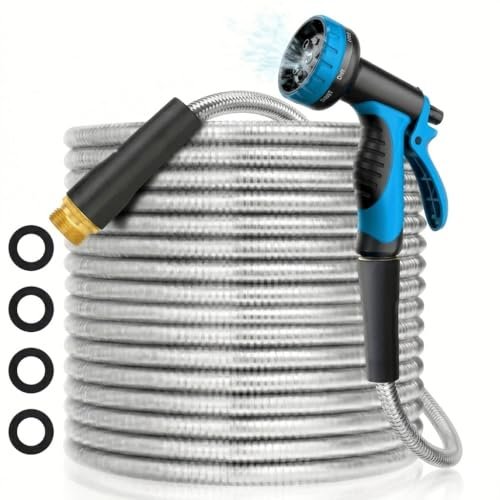 50 ft Flexible Metal Garden Hose (Kink-Free)
Durable hose for filling, priming, and rinsing equipment. View on Amazon →
50 ft Flexible Metal Garden Hose (Kink-Free)
Durable hose for filling, priming, and rinsing equipment. View on Amazon →
 Taylor K-2006C Complete FAS-DPD Pool & Spa Test Kit
The FAS-DPD kit pool pros trust — reads chlorine accurately even at shock/SLAM levels, plus pH, alkalinity, calcium hardness and CYA. View on Amazon →
Taylor K-2006C Complete FAS-DPD Pool & Spa Test Kit
The FAS-DPD kit pool pros trust — reads chlorine accurately even at shock/SLAM levels, plus pH, alkalinity, calcium hardness and CYA. View on Amazon →
Still need help? Ask a Pool & Spa Expert AD
Get a personalized answer from PoolGuy810 — 30 years owning a pool and spa repair company. Describe your issue and get step-by-step help.
Related Pool Guides
Need More Help?
Try our free pool calculators and tools to help diagnose and fix your pool problems.
Browse Pool ToolsSLAM calculator, pH calculator, salt dosing & more