
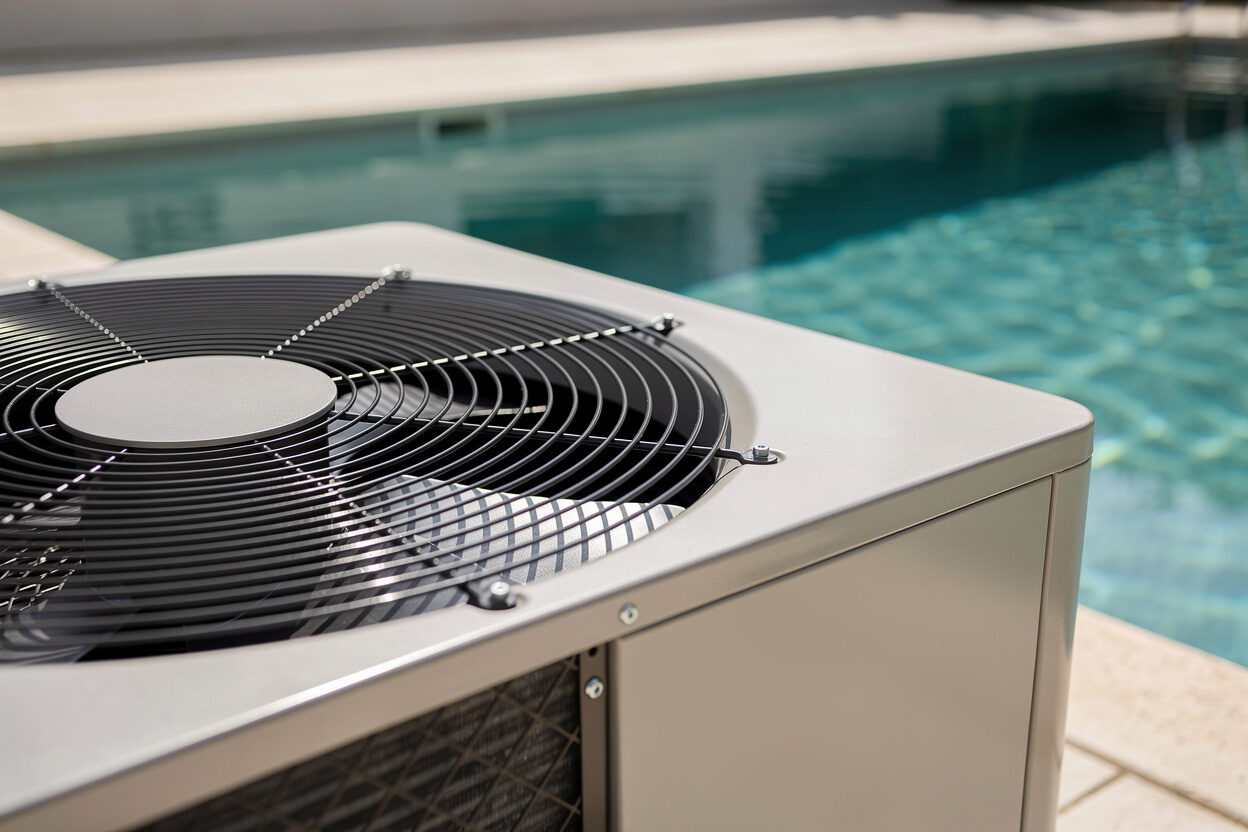
How Long Do Pool Heaters Last? Complete Lifespan Guide

What's the typical lifespan for different types of pool heaters?
Read full question
Standing next to my ancient pool heater that's been making weird noises, is it dangerous to keep running it another season with kids constantly using our 20,000-gallon inground pool?
From what I've researched, there seem to be pretty significant differences in how long each type lasts, but I'm getting conflicting information. Some sources say gas heaters burn out faster due to the combustion process, while others claim electric units fail sooner because of the heating elements. I'm also curious about heat pumps since they're more energy efficient, but I wonder if that translates to longer equipment life.
What should I realistically expect in terms of lifespan for each heater type? I'm willing to do proper maintenance and won't be running it constantly - probably just weekends and evenings during swimming season. Are there specific factors that significantly impact how long these units last?
Quick Answer
Pool heater lifespans vary by type: gas heaters last about 5-10 years, electric resistance heaters 15-20 years, and heat pumps 10-20 years. Proper maintenance and usage patterns significantly impact longevity.
Step-by-Step Breakdown by Heater Type
Gas Pool Heaters (5-10 Years)
- Identify your gas heater type: Natural gas or propane heaters are the most common and have the shortest lifespan due to their combustion process and frequent cycling on/off.
- Understand usage impact: Heavy use (heating year-round) reduces lifespan to 6-8 years, while seasonal use can extend it to 10-12 years.
- Consider environmental factors: Coastal areas with salt air often see shorter lifespans (toward the low end, around 5-7 years) due to corrosion, while well-maintained inland units tend to reach the upper end of the 5-10 year range or a little beyond.
- Monitor heat exchanger condition: The copper or cupro-nickel heat exchanger is usually the first component to fail, often showing signs of corrosion or scale buildup after 7-8 years.
Electric Resistance Heaters (15-20 Years)
- Recognize the advantage: Electric heaters last longest because they have no combustion components and fewer moving parts than other heater types.
- Account for element replacement: Heating elements may need replacement every 5-7 years, but the overall unit can function for 15-20 years with proper maintenance.
- Consider efficiency decline: While they last longest, electric heaters become less efficient over time and are expensive to operate compared to gas or heat pump units.
- Plan for electrical component wear: Contactors, thermostats, and control boards may need replacement around the 10-15 year mark.
Heat Pump Pool Heaters (10-20 Years)
- Understand the complexity: Heat pumps have more mechanical components than electric heaters but less corrosive combustion than gas heaters, placing them in the middle for longevity.
- Monitor compressor health: The compressor is typically the most expensive component and may need replacement around year 8-12, which often determines whether to repair or replace the entire unit.
- Consider refrigerant type: Newer R-410A refrigerant systems tend to last longer than older R-22 systems, which are being phased out.
- Account for fan motor wear: Outdoor exposure means fan motors typically need replacement every 7-10 years, but this is a relatively minor repair.
Factors That Affect Pool Heater Lifespan
Water Chemistry Impact
- Maintain proper pH levels: Keep pH between 7.2-7.6 to prevent corrosion (low pH) or scale buildup (high pH) that can damage heat exchangers and internal components.
- Monitor total alkalinity: Maintain TATotal Alkalinity — The buffer that keeps your pH from bouncing around. Get this in range and pH gets a lot easier to manage. learn more → at 80-120 ppm for regular pools to buffer pH changes that could harm heater components.
- Control calcium hardness: Keep CH at 250-350 ppm for plaster and concrete pools; too low causes corrosion, too high causes scale formation in the heater.
- Test water weekly: Use a Taylor K-2006C test kit or equivalent to monitor chemistry and make corrections before they damage your heater.
Maintenance Practices
- Schedule annual professional service: Have a qualified technician inspect, clean, and tune your heater annually, typically before heating season begins.
- Clean the heat exchanger: Gas and electric heaters benefit from heat exchanger cleaning every 2-3 years to remove scale and debris buildup.
- Replace filters regularly: Clean pool filters prevent debris from entering the heater, which can cause damage and reduce efficiency.
- Maintain proper water flow: Ensure adequate flow through the heater (see manufacturer specs for minimum flow requirements, which vary by BTU rating) to prevent overheating and component failure.
Usage Patterns
- Avoid frequent cycling: Constant on/off cycling wears components faster than steady operation; use a pool cover to maintain temperature and reduce heater runtime.
- Set realistic temperatures: Keeping your pool at 78-82°F rather than 85-90°F reduces heater workload and extends lifespan significantly.
- Use timers wisely: Program heaters to run during off-peak hours when possible, and avoid heating unused pools for extended periods.
- Consider solar covers: A quality solar cover can reduce heater runtime by 50-70% (depending on climate, pool size, and usage patterns), dramatically extending equipment life.
Signs Your Pool Heater Needs Replacement
- Frequent repairs: If you're spending more than 50% of a new heater's cost on annual repairs, replacement becomes more economical.
- Declining efficiency: If your gas bills have increased significantly or heating times have doubled, internal components may be worn beyond economical repair.
- Heat exchanger failure: Leaking or severely corroded heat exchangers often cost 60-80% of a new heater to replace, making full replacement the better option.
- Age-related failures: Once gas heaters reach 10+ years, electric heaters 18+ years, or heat pumps 12+ years, replacement often makes more sense than major repairs.
Safety Warning: Never attempt to repair gas heaters yourself. Always use licensed professionals for gas line work, electrical connections, and major component replacement. Improper repairs can result in gas leaks, carbon monoxide poisoning, or electrical hazards.
 Taylor K-2006C Complete FAS-DPD Pool & Spa Test Kit
The FAS-DPD kit pool pros trust — reads chlorine accurately even at shock/SLAM levels, plus pH, alkalinity, calcium hardness and CYA. View on Amazon →
Taylor K-2006C Complete FAS-DPD Pool & Spa Test Kit
The FAS-DPD kit pool pros trust — reads chlorine accurately even at shock/SLAM levels, plus pH, alkalinity, calcium hardness and CYA. View on Amazon →
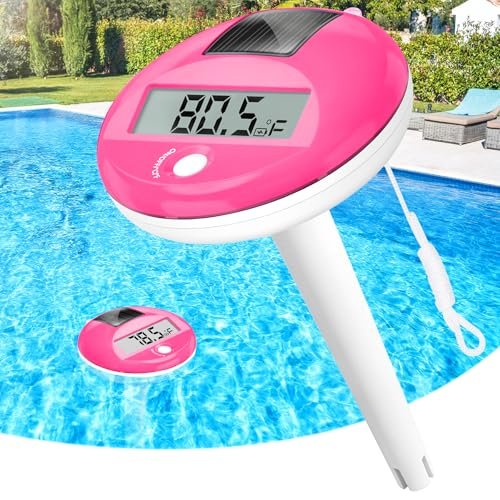 LuxBlue Floating Pool Thermometer, Solar, Large LCD
Easy-read floating thermometer for pool water temperature. View on Amazon →
LuxBlue Floating Pool Thermometer, Solar, Large LCD
Easy-read floating thermometer for pool water temperature. View on Amazon →
Still need help? Ask a Pool & Spa Expert AD
Get a personalized answer from PoolGuy810 — 30 years owning a pool and spa repair company. Describe your issue and get step-by-step help.
Related Pool Guides
Need More Help?
Try our free pool calculators and tools to help diagnose and fix your pool problems.
Browse Pool ToolsSLAM calculator, pH calculator, salt dosing & more