
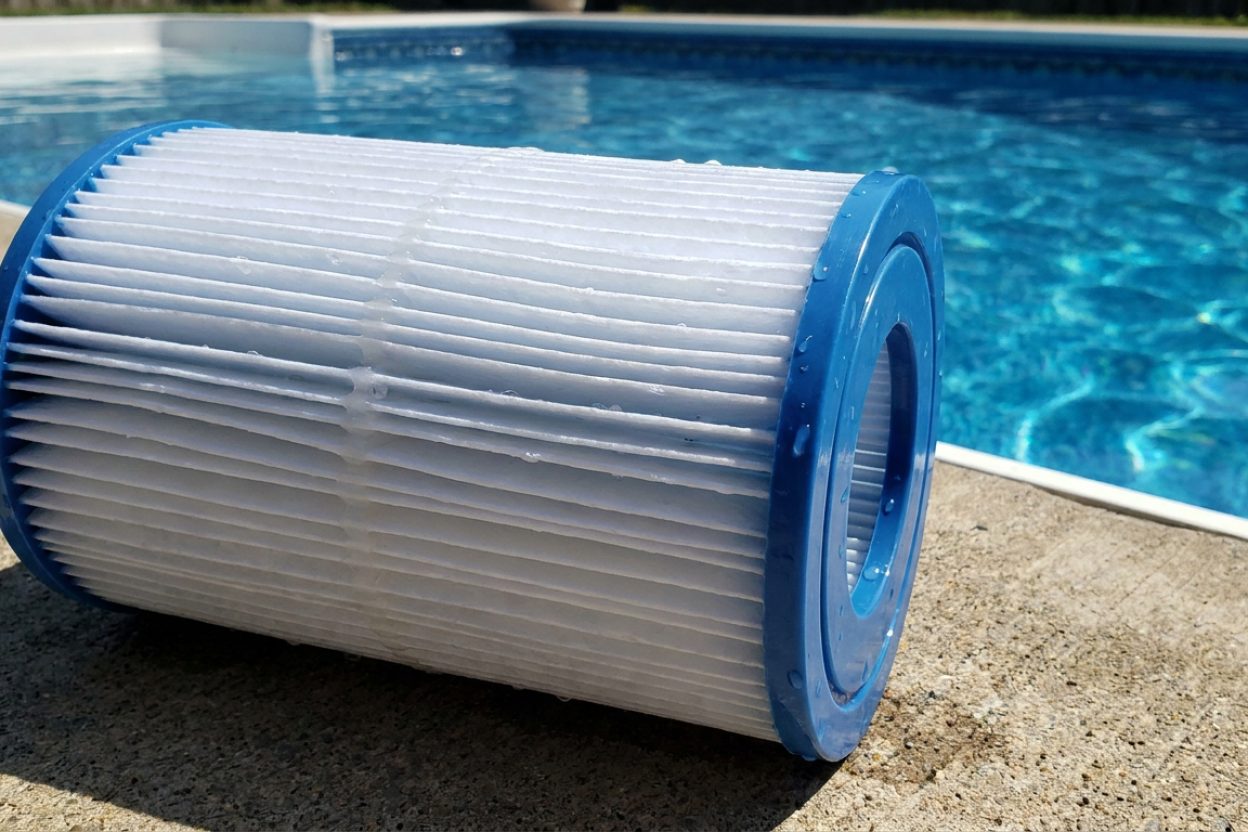
Can You Pressure Wash Pool Filters? Safe Cleaning Guide

Which pool filter types can be safely pressure washed?
Read full question
Between my pool party this Saturday and getting completely conflicting advice on pressure washing cartridge versus DE filters, I'm running out of time to figure this out.
My current setup includes cartridge filters, but I'm considering switching to either DE or sand filtration depending on cleaning requirements.
What are the specific limitations and recommended procedures for pressure washing each filter type? I want to ensure I'm using appropriate PSI settings and techniques to avoid damaging the filtration media while achieving optimal cleaning results.
Quick Answer
No — don't pressure wash any pool filter, including cartridges. The pleated fabric tears and breaks down under pressure-washer force. Clean cartridges with a garden hose and spray nozzle, rinse DE grids gently by hose, and clean sand filters by backwashing. Hold the nozzle at a 45° angle and spray the outside of the pleats from top to bottom, then flip and repeat.
Quick Answer: No — Use a Garden Hose Instead
You should not pressure wash any pool filter, including cartridges. The high force of a pressure washer tears the pleated polyester fabric and shortens the cartridge's life, and no major cartridge manufacturer recommends it. Clean cartridges with a garden hose and spray nozzle, rinse DE grids gently with a hose after removing the DE powder, and clean sand filters by backwashing.
How to Clean Each Filter Type
Clean gently with a garden hose:
- Cartridge Filters: Do NOT pressure wash — the pleated polyester fabric tears and the cartridge's life is shortened. Use a garden hose with a spray nozzle instead.
- DE Filters (the exception): Do NOT pressure wash these — the grids are delicate fabric that tears easily; rinse them gently with a garden hose instead. Clean gently with a garden hose after removing the DE powder
Never Pressure Wash:
- Sand Filters: Never pressure wash the sand media or internal components - use backwashing instead to clean sand filters
- Damaged Filters: Any filter with tears, cracks, or loose pleats
Proper Cleaning Technique
Use a Garden Hose, Not a Pressure Washer
A garden hose fitted with a spray nozzle supplies plenty of pressure to clean filter pleats without damaging them. Most residential pressure washers operate at 1,500-3,000 PSI, which can split cartridge pleats even on the lowest fan setting, so skip the pressure washer entirely. With a hose nozzle:
- Hold the nozzle at a 45° angle to the pleats
- Spray the outside of the pleats from top to bottom
- Work all the way around, then flip the cartridge and repeat
- Spread the pleats slightly so the spray reaches between them
Step-by-Step Cleaning Process
- Remove the filter: Turn off your pool pump and carefully remove the cartridge or DE grids from the filter housing
- Initial rinse: Use a regular garden hose to remove loose debris and get the filter wet
- Set up your hose: Attach a spray nozzle that delivers a focused fan pattern
- Spray the outside of the pleats: Hold the nozzle at a 45° angle and spray the outside (dirty side) of the pleats from top to bottom, then flip the cartridge and repeat from the other side
- Work systematically: Start at the top and work your way down, overlapping your spray pattern
- Rotate the filter: Turn the cartridge as you clean to ensure you hit every pleat
- Final inspection: Check for any remaining debris or damage before reinstalling
When Rinsing Isn't Enough
Sometimes a hose rinse alone won't remove all contaminants, especially oils, sunscreen, and mineral buildup. In these cases, you'll need additional cleaning methods:
Chemical Soaking
- For oils and organics: Soak in a filter degreaser solution for 8-12 hours
- For mineral deposits: Use a dilute muriatic acid solution (1 part acid to 20 parts water) for calcium buildup, and only after degreasing first - follow manufacturer specifications and use caution
- For general deep cleaning: Degrease as needed; use a dilute acid soak only occasionally for mineral scale (not monthly)
Safety Considerations
Always wear safety equipment when cleaning filters:
- Safety glasses to protect from debris
- Closed-toe shoes with good grip
- Gloves when handling filters
- Avoid spraying the hose nozzle at yourself or others
If using chemical soaks, add proper ventilation and chemical-resistant gloves to your safety gear.
Alternative Cleaning Methods
Beyond a plain hose-and-nozzle rinse, these tools can help:
Garden Hose with Spray Nozzle
A spray nozzle on your garden hose is the recommended method for regular maintenance cleaning. Use the same technique: spray the outside of the pleats at a 45° angle, top to bottom, then flip and repeat.
Filter Cleaning Wand
Specialized filter cleaning wands attach to your garden hose and provide focused, high-pressure streams designed specifically for filter pleats.
Professional Filter Cleaning
Many pool supply stores offer filter cleaning services using commercial-grade equipment and rotating filter programs.
Maintenance Schedule
To keep your filters in optimal condition:
- Weekly: Quick hose rinse during heavy use periods
- Bi-weekly: Rinse cartridges with a garden-hose spray nozzle during regular swimming season
- Monthly: Deep clean with appropriate chemicals
- Seasonally: Professional inspection and potential replacement
Signs It's Time to Replace
Even with proper cleaning, filters eventually need replacement. Look for:
- Pleats that won't come clean despite multiple washings
- Frayed or damaged fabric
- Shortened time between cleanings
- Poor water quality despite clean-looking filter
- Filters over 3-5 years old with regular use
Remember that having multiple filter sets allows you to rotate them, giving each set time to dry completely between uses, which extends their lifespan significantly.
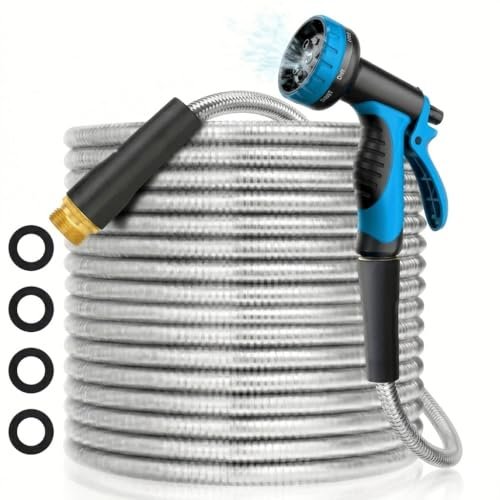 50 ft Flexible Metal Garden Hose (Kink-Free)
Durable hose for filling, priming, and rinsing equipment. View on Amazon →
50 ft Flexible Metal Garden Hose (Kink-Free)
Durable hose for filling, priming, and rinsing equipment. View on Amazon →
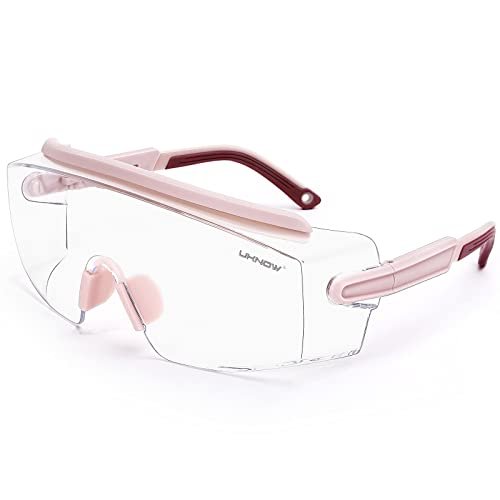 UKNOW Anti-Fog Chemical Splash Safety Goggles
Sealed splash goggles for handling muriatic acid and chlorine. View on Amazon →
UKNOW Anti-Fog Chemical Splash Safety Goggles
Sealed splash goggles for handling muriatic acid and chlorine. View on Amazon →
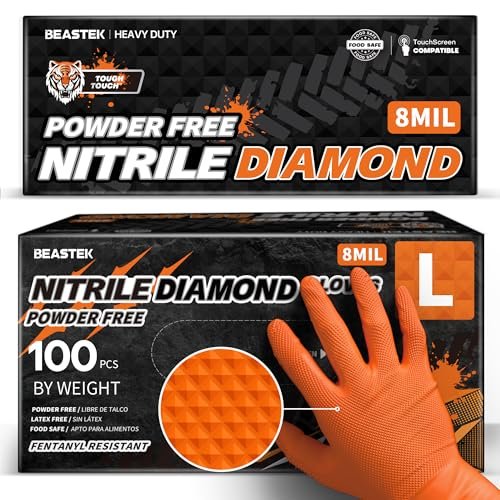 Beastek 8-mil Chemical-Resistant Nitrile Gloves
Disposable nitrile gloves for safe handling of pool chemicals. View on Amazon →
Beastek 8-mil Chemical-Resistant Nitrile Gloves
Disposable nitrile gloves for safe handling of pool chemicals. View on Amazon →
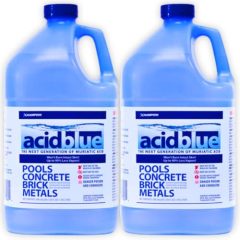 Acid Blue - Low Fume Muriatic Acid for Swimming Pools & Spas - Lower's pH, Reduces Alkalinity - 2 Gallon
View on Amazon →
Acid Blue - Low Fume Muriatic Acid for Swimming Pools & Spas - Lower's pH, Reduces Alkalinity - 2 Gallon
View on Amazon →
Still need help? Ask a Pool & Spa Expert AD
Get a personalized answer from PoolGuy810 — 30 years owning a pool and spa repair company. Describe your issue and get step-by-step help.
Related Pool Guides
Need More Help?
Try our free pool calculators and tools to help diagnose and fix your pool problems.
Browse Pool ToolsSLAM calculator, pH calculator, salt dosing & more