
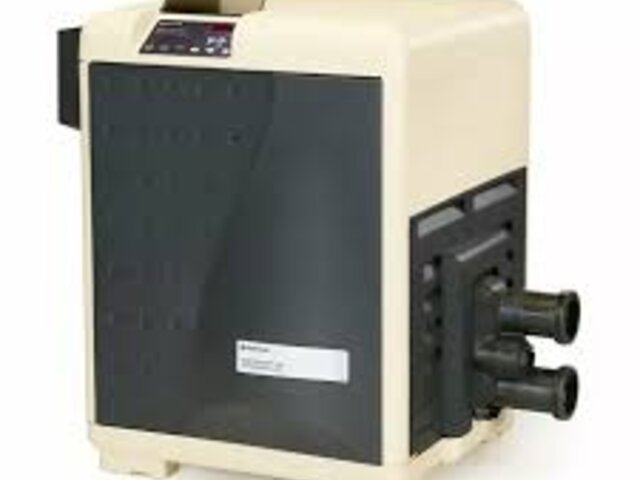
Can Pool Heaters Explode? Safety Guide & Prevention Tips

Should I be worried about my pool heater exploding?
Read full question
Standing outside after last week's downpour, I keep hearing these weird clicking sounds from my pool heater and now I'm paranoid it might actually explode. Is there actually a real risk of these things exploding, or am I just watching too much news?
I do the basic maintenance but honestly don't know much about the safety side of things. What should I be looking out for to keep my family safe? And how often do pool heater explosions actually happen - is this something I need to lose sleep over or just stay on top of with regular checkups?
Quick Answer
Pool heaters can potentially explode due to gas leaks, improper ventilation, or mechanical failures, but this is extremely rare with proper maintenance. Following safety protocols and regular inspections virtually eliminates explosion risks.
Step-by-Step Safety Assessment Process
- Shut off your heater immediately if you smell gas, hear unusual noises, or notice flame irregularities. Turn off the gas supply at the heater and at the main gas line if safely accessible.
- Inspect the heater housing for visible damage, rust, corrosion, or loose connections. Look for any signs of gas leaks around fittings, valves, and pipe connections.
- Check the venting system to ensure proper airflow and no obstructions. Blocked vents can cause dangerous gas buildup and incomplete combustion.
- Examine the heat exchanger for cracks, holes, or excessive corrosion that could allow gas to escape or cause pressure buildup.
- Have safety systems tested including the pressure relief valve, high limit switch, and flame sensor by a qualified technician to ensure they're functioning correctly.
- Have gas pressure verified by a licensed technician using a manometer - incorrect pressure can cause incomplete combustion and dangerous conditions.
- Inspect electrical connections on gas heaters for loose wiring that could create sparks near gas components.
- Document any issues found and contact a licensed pool heater technician immediately if you discover any problems during your inspection.
Understanding Pool Heater Explosion Risks
Gas pool heaters present the primary explosion risk due to their combustible fuel source. Natural gas and propane heaters operate by mixing gas with air in precise ratios for controlled combustion. When this system malfunctions, unburned gas can accumulate and create explosive conditions.
The most common causes of pool heater explosions include:
- Gas leaks from damaged pipes, fittings, or heat exchangers
- Blocked or damaged venting systems preventing proper exhaust
- Faulty gas valves that don't shut off completely
- Cracked heat exchangers allowing gas to escape the combustion chamber
- Improper gas pressure causing incomplete combustion
- Failed safety controls that don't detect dangerous conditions
Warning Signs of Potential Heater Hazards
Recognizing early warning signs can prevent dangerous situations from developing into explosion risks:
- Gas odor around the heater - Natural gas contains mercaptan for leak detection, while propane has a distinct smell
- Yellow or irregular flames instead of consistent blue flames indicate improper combustion
- Soot buildup around the heater or on nearby surfaces suggests incomplete burning
- Unusual noises like banging, whistling, or rumbling during operation
- Frequent cycling on and off may indicate safety system malfunctions
- Rust or corrosion on the heat exchanger or gas components
- Poor heating performance combined with higher gas usage
If your worry is the clicking you heard after a downpour: that's most likely the spark igniter doing its normal startup job. If it clicks repeatedly but the burner never lights, that usually points to a failing igniter or a gas-supply issue — a routine service call, not an explosion precursor. As for how often heaters actually explode: with millions of gas pool heaters in service, documented explosion incidents are very rare and almost always tied to improper installation, a gas leak, or skipped maintenance rather than normal operation.
Prevention and Safety Measures
Preventing pool heater explosions requires consistent maintenance and safety practices:
- Schedule annual professional inspections by certified pool heater technicians who can detect problems before they become dangerous
- Install gas leak detectors near your pool heater that will alarm if gas concentrations reach dangerous levels
- Maintain proper clearances around the heater according to manufacturer specifications - as specified in manufacturer installation guidelines
- Keep the area clean and free from debris, chemicals, or flammable materials that could ignite
- Verify safety controls during annual professional service by having a pro check the high-limit switch, pressure switch, and flame sensor—simply cycling the heater on and off does not test these shutoffs
- Replace aging components before they fail, particularly gas valves, thermostats, and pressure switches according to manufacturer replacement schedules and component condition assessments
- Ensure adequate ventilation in enclosed installations and never block air intakes or exhaust vents
- Use only certified technicians for repairs, modifications, or gas line work
Electric vs Gas Heater Safety
Electric pool heaters, including heat pumps, have virtually no explosion risk since they don't use combustible fuels. However, they can present other hazards like electrical fires or electrocution if improperly maintained. Gas heaters require more vigilant safety practices due to their inherent explosion potential.
For electric heaters, focus on: Electrical connection integrity, proper grounding, and keeping electrical components dry and corrosion-free.
For gas heaters, prioritize: Gas leak detection, combustion air supply, venting system maintenance, and safety control functionality.
Emergency Response Procedures
If you suspect a gas leak or other dangerous condition:
- Evacuate the area immediately and avoid creating sparks or flames
- Shut off gas supply at the heater and main valve if safely accessible
- Do not use electrical switches or create any ignition sources near the suspected leak
- Contact emergency services if you smell strong gas odors or suspect immediate danger
- Call a licensed technician before attempting to restart the heater after any safety shutdown
Remember that modern pool heaters include multiple safety systems specifically designed to prevent explosions. When properly maintained and operated, these systems make heater explosions extremely unlikely. Regular professional maintenance remains your best protection against all pool heater hazards.
Still need help? Ask a Pool & Spa Expert AD
Get a personalized answer from PoolGuy810 — 30 years owning a pool and spa repair company. Describe your issue and get step-by-step help.
Related Pool Guides
Need More Help?
Try our free pool calculators and tools to help diagnose and fix your pool problems.
Browse Pool ToolsSLAM calculator, pH calculator, salt dosing & more