
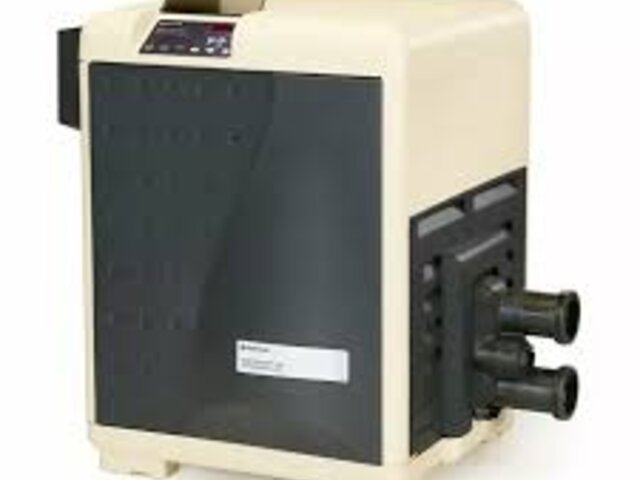
Can Pool Heaters Catch Fire? Safety & Prevention Guide

Are pool heaters actually a fire hazard? Safety concerns
Read full question
Already found the perfect pool heater online but these fire horror stories have me second-guessing — am I overthinking this or dodging a real bullet? The pool store guy was trying to sell me on some expensive professional installation package, claiming heaters can be dangerous if not done right. Of course he's pushing the pricey option.
But seriously, can these things actually catch fire? I'm handy with DIY stuff and tired of getting gouged by pool stores, but I don't want to mess around if there's real fire risk involved. What are the actual dangers with gas vs electric heaters, and what should I watch out for to prevent problems? I'd rather know the facts than get sold another overpriced service.
Quick Answer
Pool heaters can catch fire, particularly gas heaters, due to gas leaks, poor ventilation, debris buildup, or electrical issues. Proper installation, regular maintenance, and safety monitoring significantly reduce fire risk.
Understanding Pool Heater Fire Risks
Pool heaters generate significant heat and, in the case of gas units, involve combustible materials that create inherent fire risks. Gas heaters burn natural gas or propane with flame temperatures around 3,500°F, while electric heaters can overheat due to electrical faults. Understanding these risks helps you implement proper safety measures.
Gas Heater Fire Causes
- Gas leaks: Damaged gas lines, loose fittings, or corroded connections
- Poor ventilation: Blocked vents causing heat buildup and incomplete combustion
- Debris accumulation: Leaves, nests, or other combustible materials near the burner
- Improper installation: Inadequate clearances from combustible materials
- Component failure: Malfunctioning gas valves, thermostats, or safety switches
Electric Heater Fire Risks
- Electrical overload: Drawing more power than circuits can handle
- Wiring issues: Loose connections, damaged wires, or inadequate wire gauge
- Component overheating: Failed heating elements or control boards
- Water intrusion: Moisture causing electrical shorts and sparks
Fire Prevention Strategies
Proper Installation Requirements
Correct installation is your first line of defense against heater fires. Gas heaters require minimum clearances that vary by manufacturer and BTU rating - consult your specific unit's installation manual for exact requirements. Never install heaters in enclosed spaces without proper ventilation. Electric heaters need dedicated circuits with appropriate amperage and GFCI protection. On the install-it-yourself question: in most US jurisdictions the gas-line connection requires a licensed plumber or gas fitter and a permit, and the 220V electrical hookup (especially for a heat pump) requires a licensed electrician — so a professional install package isn't pure upsell. Local code sometimes lets a handy owner do parts of the job under permit and inspection, but the gas and high-voltage connections are the parts to leave to licensed pros.
Regular Maintenance Schedule
Implement a comprehensive maintenance routine to prevent fire-causing conditions:
- Monthly visual inspections: Check for gas odors, unusual sounds, or visible damage
- Quarterly cleaning: Remove debris from around the unit and clean vents
- Annual professional service: Have technicians inspect gas connections, electrical components, and safety systems
- Bi-annual deep cleaning: Professional cleaning of internal components and combustion chambers
Warning Signs of Fire Risk
Recognize these danger signals that indicate increased fire potential:
Gas Heater Warning Signs
- Gas odors: Any smell of gas around the heater or pool equipment area
- Yellow or orange flames: Proper gas combustion produces blue flames
- Soot deposits: Black marks on or around the heater indicating incomplete combustion
- Rust or corrosion: Particularly around gas connections and vent pipes
- Unusual noises: Popping, banging, or whistling sounds during operation
Electric Heater Warning Signs
- Burning smells: Electrical or plastic odors during operation
- Frequent circuit breaker trips: Indicating electrical overload or short circuits
- Visible sparks: Any arcing or sparking from electrical connections
- Excessive heat: Electrical panels or connections that are hot to touch
- Water near electrical components: Moisture that could cause shorts
Emergency Response Procedures
If You Suspect a Gas Leak
- Immediately evacuate the area
- Do not use electrical switches, phones, or create sparks near the area
- From a safe location, call your gas company and fire department; only attempt to shut off the gas at the meter or tank if you are trained to do so and it can be done safely
- Ventilate the area if possible from a safe distance
- Do not attempt to restart the heater until professionally inspected
If You Notice Electrical Issues
- Turn off power to the heater at the circuit breaker
- Do not touch electrical components if water is present
- Contact a qualified electrician for inspection
- Document any damage with photos for insurance purposes
- Avoid using the heater until repairs are completed
Professional Safety Inspections
Annual professional inspections are crucial for fire prevention. Qualified technicians should test gas pressure, inspect electrical connections, verify proper venting, and ensure all safety systems function correctly. They'll also check for code compliance and recommend updates for older installations.
During inspections, technicians use specialized tools to detect gas leaks, measure electrical loads, and assess combustion efficiency. They'll replace worn components, clean internal systems, and verify that automatic shutoff systems work properly.
Long-term Fire Prevention
Maintain detailed service records to track your heater's condition over time. Replace aging units before they become safety hazards - gas heaters typically last 5-10 years, while heat pumps may last 10-20 years with proper maintenance.
Consider upgrading to newer models with enhanced safety features like automatic gas shutoffs, improved ventilation systems, and better electrical protection. Modern heaters include multiple safety systems that significantly reduce fire risk compared to older units.
Still need help? Ask a Pool & Spa Expert AD
Get a personalized answer from PoolGuy810 — 30 years owning a pool and spa repair company. Describe your issue and get step-by-step help.
Related Pool Guides
Need More Help?
Try our free pool calculators and tools to help diagnose and fix your pool problems.
Browse Pool ToolsSLAM calculator, pH calculator, salt dosing & more