
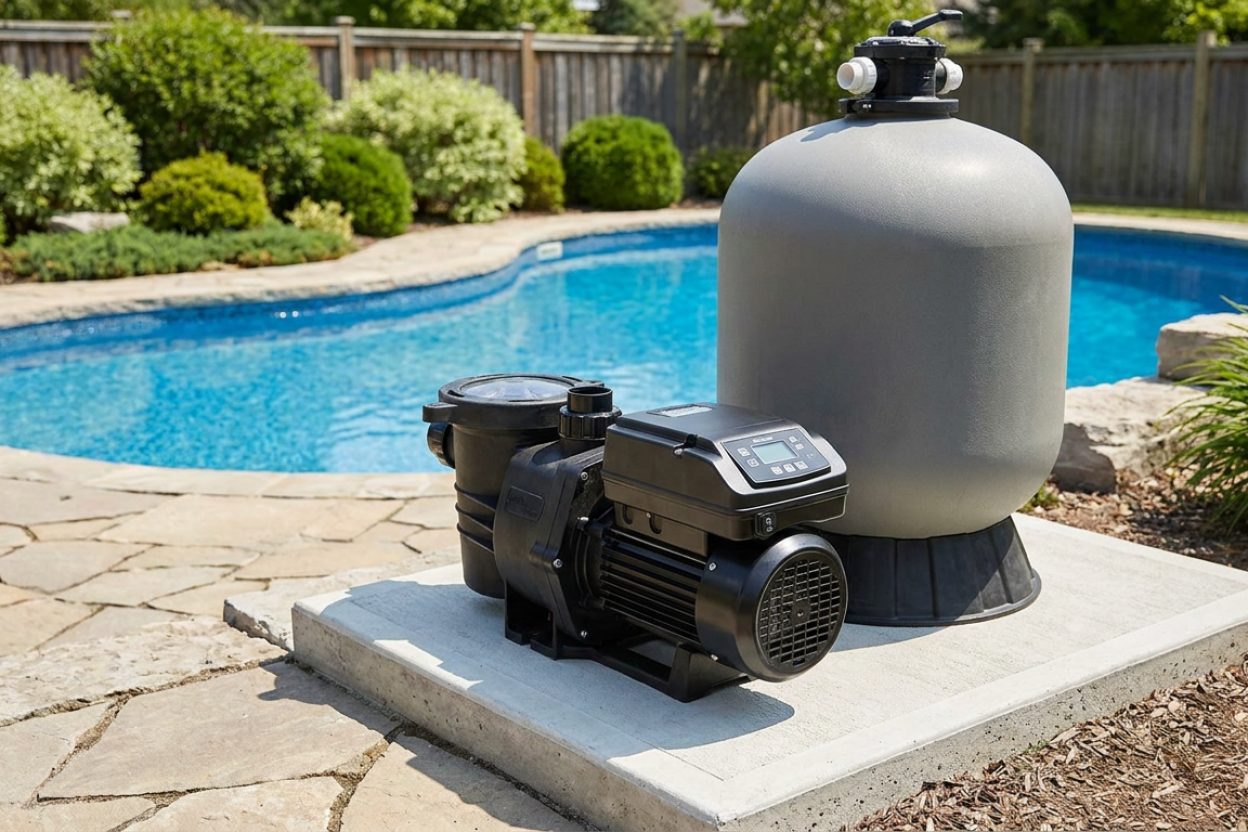
Can You Run Pool Pump Without Filter? Risks & Solutions

Is it safe to run pool pump without filter with kids swimming?
Read full question
Somewhere between my husband questioning why our pool pump is running without a filter cartridge and my growing panic, I'm wondering if I'm actually damaging something. My filter cartridge is completely clogged and I need to replace it, but my kids are asking to swim this afternoon. I'm wondering if I can just run the pump without any filter for a few hours until I can get to the pool store.
I know this probably isn't ideal, but would it cause any serious damage to the pump or create unsafe water conditions? I don't want to risk my children's safety, but I also don't want to damage our equipment if there's a way to manage this temporarily.
Quick Answer
Running a pool pump without a filter won't harm the pump for a short period (the pump basket, not the filter, protects the impeller), but it leaves the water unfiltered and unsanitized while debris recirculates. On a single-speed pump it can also cause cavitation. Only run briefly in emergencies while replacing the filter cartridge or cleaning DE/sand media.
What Happens When You Run Without a Filter
Running a pump with no filter element changes the system's flow and removes the barrier that keeps debris out of the pump and plumbing. Several problems can follow:
- Cavitation risk (single-speed pumps): The cartridge provides most of the discharge-side head loss, so removing it can push a single-speed pump off its operating curve and cause cavitation. The impeller itself is protected by the pump strainer basket, not the filter
- Motor strain: Variable-speed pumps may see flow-rate changes, while single-speed pumps may run off their pump curve
- Plumbing stress: Reduced system pressure may affect circulation patterns
- Debris circulation: Particles that should be trapped will circulate back into your pool, potentially clogging skimmer baskets and return lines
Emergency Situations When Brief Operation May Be Necessary
There are limited scenarios where you might need to run your pump without a filter for a short time:
Filter Cartridge Replacement
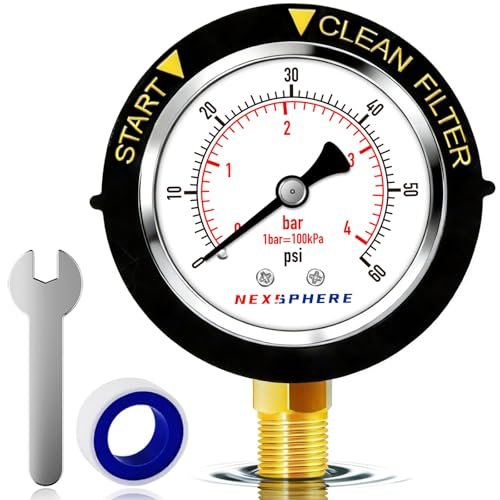
When replacing cartridge filters, you may need to run the pump briefly to prime the system or check for leaks. Keep this under 15 minutes and monitor pressure gauges closely.
DE Filter Grid Cleaning
During diatomaceous earth filter maintenance, you might run the pump briefly after reassembly to check system operation. This should only be done with proper filtration in place.
Sand Filter Media Replacement
When changing sand media, brief pump operation may be needed to settle new sand or check system operation before full startup.
Safe Alternatives to Running Without Filtration
Install a Bypass System
Many commercial installations use bypass valves that allow water to circulate while bypassing clogged filters. This maintains circulation while reducing system pressure.
Use Emergency Filter Media
Keep spare cartridge filters on hand. For DE filters, maintain a supply of fresh diatomaceous earth. Sand filters rarely need emergency replacement, but having backup cartridges for your specific model prevents extended downtime.
Temporary Filtration Solutions
Pool supply stores sell universal cartridge filters that can provide temporary filtration while you source exact replacements. These may not fit perfectly but offer better protection than no filtration.
Proper Filter Maintenance to Avoid Emergencies
Cartridge Filter Care
Clean cartridge filters every 2-4 weeks depending on bather load and debris. Rotate between two sets - while one set is installed, clean and dry the backup set. Replace cartridge elements every 2-5 years, or sooner if pleats are torn or show permanent damage that cleaning cannot resolve.
DE Filter Maintenance
Backwash DE filters when pressure rises 8-10 PSI above clean starting pressure. Add fresh DE powder after each backwash - typically 1 pound per 10 square feet of filter area. Completely break down and clean grids every 3-6 months.
Sand Filter Care
Backwash when pressure increases 8-10 PSI above starting pressure. Replace sand media every 5-7 years, or sooner if you notice decreased filtration efficiency or channeling through the sand bed.
Water Chemistry Considerations
If you must run without filtration briefly, your water chemistry becomes even more critical:
- Maintain FCFree Chlorine — The chlorine actively sanitizing your water right now. This is the number you keep an eye on. how much you need → levels: Keep free chlorine at proper levels based on your CYACyanuric Acid (stabilizer) — Sunscreen for your chlorine — it keeps sunlight from burning it off. The catch: the more you have, the more chlorine you need to keep. learn more → (cyanuric acid) reading using the all-in-one pool calculator
- Monitor pH closely: Without filtration, pH can swing more rapidly - maintain 7.4-7.6
- Increase testing frequency: Test chlorine and pH twice daily when filtration is compromised
- Dosing is fine: The pump is still circulating, so normal dosing works — recirculating without the filter is actually a standard way to mix in chemicals
Signs Your Pump Is Struggling Without Filtration
Never allow swimming when running without filtration. Watch for these warning signs if you must run without a filter:
- Unusual pump noises or vibration
- Lower than normal pressure readings
- Reduced flow at return jets
- Motor running hotter than normal
- Visible debris in skimmer baskets increasing rapidly
If you notice any of these signs, shut down immediately and install proper filtration before restarting.
Long-Term Consequences of Poor Filtration Practices
Repeatedly running pumps without proper filtration leads to:
- Shortened pump life requiring expensive replacement
- Increased chemical consumption as water quality deteriorates
- Potential warranty voidance on pump and filtration equipment
- Higher maintenance costs for cleaning clogged plumbing lines
- Poor water clarity requiring more intensive chemical treatment like SLAMShock Level And Maintain — raise free chlorine to a target based on your CYA and hold it there until the algae is gone. It's a process, not a one-time dose. the SLAM walkthrough → procedures
The cost of maintaining proper filtration is always less than repairing damage caused by running without it. Invest in quality replacement filters and maintain a backup supply to avoid emergency situations requiring unfiltered operation.
Still need help? Ask a Pool & Spa Expert AD
Get a personalized answer from PoolGuy810 — 30 years owning a pool and spa repair company. Describe your issue and get step-by-step help.
Related Pool Guides
Need More Help?
Try our free pool calculators and tools to help diagnose and fix your pool problems.
Browse Pool ToolsSLAM calculator, pH calculator, salt dosing & more