
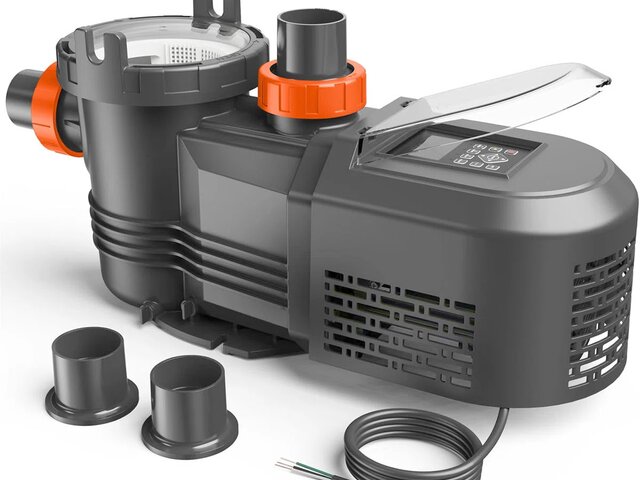
Should You Run Your Pool Pump in Winter? Complete Guide

First winter with my pool - how long should I run the pump?
Read full question
Pulled the cover off my pool this winter and realized I have absolutely no clue whether I'm supposed to keep this pump running or not. The pool store told me I still need to run the pump during winter, but they didn't really explain how long or when.
I live in an area where it gets cold but doesn't freeze every day. Do I need to run it the same 8 hours I've been doing all summer? And what happens if we do get a freeze - should I do anything different? I really don't want to mess up the equipment since I'm still learning all this stuff.
Quick Answer
Yes, you need to run your pool pump in winter, but for shorter periods - typically 4-6 hours daily in mild climates or continuously during freezing weather to prevent equipment damage.
Understanding Winter Pump Requirements
Your pool pump serves critical functions year-round that don't stop just because swimming season ends. Even in winter, your pump circulates water through the filtration system, distributes chemicals evenly, and most importantly, prevents water from freezing in your equipment lines.
The key difference in winter operation is duration and timing. While summer might require 8-12 hours of daily operation, winter typically needs only 4-6 hours in most climates. However, this changes dramatically when temperatures approach freezing.
Climate-Specific Pump Schedules
Mild Winter Climates (Above 40°F)
If your area rarely drops below 40°F, maintain a reduced pump schedule of 4-6 hours daily. This provides adequate circulation for chemical distribution and prevents stagnant water conditions that promote algae growth. Run the pump during daylight hours when temperatures are warmest to maximize energy efficiency.
Moderate Winter Climates (20-40°F Range)
In regions with occasional freezing, increase pump runtime to 6-8 hours daily, split into two cycles - morning and evening. When temperatures are forecast to drop below 35°F, switch to continuous operation until temperatures are forecast to remain consistently above 40°F.
Cold Winter Climates (Below 20°F)
For areas with sustained freezing temperatures, continuous pump operation becomes essential. Water freezing in your pump, filter, heater, or plumbing lines can cause thousands of dollars in damage. The cost of running your pump 24/7 during cold snaps is minimal compared to replacing cracked equipment.
Freeze Protection Strategies
Modern pool equipment often includes freeze protection features, but your pump remains the primary defense against ice damage. Continuously moving water strongly resists freezing in the lines, but it isn't a guarantee in a hard freeze or if circulation stops—so freeze protection (draining or a freeze guard) is still important. Most pool automation systems can be programmed to automatically start the pump when air temperature drops below a set point, typically 35-38°F.
Critical freeze protection rule: Never turn off your pump when air temperature is below 32°F or forecast to drop below freezing within 8 hours. Ice formation in equipment can crack housings, damage impellers, and rupture plumbing lines.
Winter Chemical Balance and Circulation
Proper chemical balance remains important in winter, though chemical consumption decreases significantly. Your pump ensures even distribution of any chemicals you add. Winter target ranges should be:
- Free Chlorine (FCFree Chlorine — The chlorine actively sanitizing your water right now. This is the number you keep an eye on. how much you need →): 4-6 ppm (using the FC/CYAFC/CYA chart — The chart that sets your chlorine target from your stabilizer (CYA) level — the two go together. see the chart → relationship — our all-in-one pool calculator estimates the free chlorine target for your CYACyanuric Acid (stabilizer) — Sunscreen for your chlorine — it keeps sunlight from burning it off. The catch: the more you have, the more chlorine you need to keep. learn more →)
- pH: 7.4-7.6
- Total Alkalinity: 80-120 ppm
- Calcium Hardness: Above 200 ppm
- CYA (Stabilizer): 30-50 ppm
Without proper circulation, chemicals settle unevenly, creating areas of over-chlorination or under-chlorination that can damage pool surfaces or allow algae growth.
Energy Efficiency Tips for Winter Operation
Running your pump in winter doesn't have to break the bank. Consider these energy-saving strategies:
- Install a variable speed pump if you haven't already - these can reduce energy costs by 50-80%
- Run at lower speeds during mild weather (1,200-1,800 RPM instead of 2,400+ RPM)
- Use a programmable timer to optimize run times for your local utility's off-peak hours
- Ensure your pump basket and filter are clean to reduce strain on the motor
- Consider a pool cover to reduce heat loss and chemical demand
When NOT to Run Your Pump
The only time you should consider stopping your pump in winter is during extended mild periods (consistently above 50°F) in regions that rarely freeze. Even then, run it at least every few days to prevent stagnation.
Never stop your pump when:
- Temperature is below 35°F
- Freezing weather is forecast within 8 hours
- You have a pool heater (gas or electric) that requires circulation
- Your pool shows signs of algae or chemical imbalance
Maintenance During Winter Operation
Winter pump operation requires minimal but important maintenance. Check your pump basket weekly for debris that could restrict flow. Clean your filter monthly or as needed based on pressure gauge readings. An 8-10 PSI increase over clean pressure indicates cleaning time.
Inspect pump housing and connections monthly for leaks, which can worsen in cold weather due to thermal expansion and contraction. Address small leaks immediately to prevent larger problems.
Cost vs. Risk Analysis
Many pool owners worry about the cost of running pumps through winter. However, the expense of winter operation pales compared to potential repair costs. In 2026, a replacement pool pump unit alone typically costs $600-$1,800, while a damaged heater heat exchanger can cost $1,000-3,000. Underground plumbing repairs often exceed $2,000-5,000.
Even with older single-speed pumps, winter operation typically costs $30-80 per month in most areas, while equipment replacement can cost thousands. The math clearly favors keeping your pump running.
For the full breakdown of safe chlorine levels by CYA level, see our pool water chemistry guide.
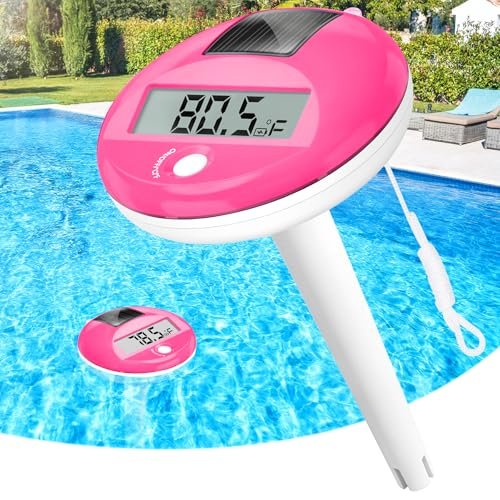 LuxBlue Floating Pool Thermometer, Solar, Large LCD
Easy-read floating thermometer for pool water temperature. View on Amazon →
LuxBlue Floating Pool Thermometer, Solar, Large LCD
Easy-read floating thermometer for pool water temperature. View on Amazon →
 Taylor K-2006C Complete FAS-DPD Pool & Spa Test Kit
The FAS-DPD kit pool pros trust — reads chlorine accurately even at shock/SLAM levels, plus pH, alkalinity, calcium hardness and CYA. View on Amazon →
Taylor K-2006C Complete FAS-DPD Pool & Spa Test Kit
The FAS-DPD kit pool pros trust — reads chlorine accurately even at shock/SLAM levels, plus pH, alkalinity, calcium hardness and CYA. View on Amazon →
Still need help? Ask a Pool & Spa Expert AD
Get a personalized answer from PoolGuy810 — 30 years owning a pool and spa repair company. Describe your issue and get step-by-step help.
Related Pool Guides
Need More Help?
Try our free pool calculators and tools to help diagnose and fix your pool problems.
Browse Pool ToolsSLAM calculator, pH calculator, salt dosing & more