
Do You Need a Pool Vacuum? Complete Equipment Guide
Is a pool vacuum really necessary for safe swimming water?
Read full question
Every Saturday I'm scrambling to get our pool spotless before the kids' friends arrive — what vacuum equipment should I actually have on standby? We have a filter and skimmer system, but I keep hearing about pool vacuums and I'm wondering if they're actually essential equipment or just nice to have.
I want to make sure I'm doing everything possible to keep the water safe and prevent any algae or bacteria growth that could make my children sick. Are there types of dirt and debris that regular filtration systems can't handle? Should I be investing in a vacuum system to properly maintain our pool?
Quick Answer
Yes, you need a pool vacuum if you want to maintain clean pool water and prevent algae growth. Manual, automatic, or robotic vacuums are essential for removing debris that skimmers and filters can't catch.
Step-by-Step Guide to Determining Your Pool Vacuum Needs
- Assess your current cleaning situation: Walk around your pool and examine the bottom for leaves, dirt, sand, algae spots, or any settled debris. If you see any accumulation on the pool floor or steps, you need a vacuum system.
- Evaluate your pool environment: Consider factors like nearby trees, wind patterns, bather load, and seasonal debris. Pools surrounded by vegetation or in windy areas require more frequent vacuuming and benefit from automatic systems.
- Review your current filtration system: Check if your skimmer and return lines have vacuum ports or dedicated suction lines. Most pools built in recent decades include vacuum connections, but older pools may need modifications.
- Calculate your time availability: Determine how much time you want to spend on pool maintenance weekly. Manual vacuuming takes 20-45 minutes per session, while automatic systems work independently.
- Consider your pool surface type: Concrete and plaster pools require more aggressive cleaning due to their porous surfaces, while vinyl and fiberglass are easier to clean but need gentler vacuum heads to prevent damage.
- Analyze your water chemistry history: If you frequently battle algae blooms or cloudy water despite proper chemical balance, inadequate debris removal is likely contributing to these problems.
Types of Pool Vacuums and When You Need Each
Manual Pool Vacuums
You need a manual vacuum if you have a smaller pool (under 20,000 gallons), limited budget, or prefer hands-on maintenance control. Manual systems include a vacuum head, telescoping pole, and hose that connects to your skimmer or dedicated vacuum port. They're essential for spot-cleaning algae and targeting specific problem areas.
Automatic Suction Cleaners
Choose an automatic suction cleaner like the Kreepy Krauly (a suction-side cleaner brand) or Pentair Rebel if you want consistent cleaning without daily effort. These connect to your pool's suction system and move randomly around the pool floor. They're ideal for pools with moderate debris loads and established circulation systems.
Pressure-Side Cleaners
You need a pressure-side cleaner such as the Polaris 280 if your pool has heavy debris loads from trees or severe weather. These require a dedicated return line or booster pump and actively collect debris in attached bags, reducing filter system load.
Robotic Pool Cleaners
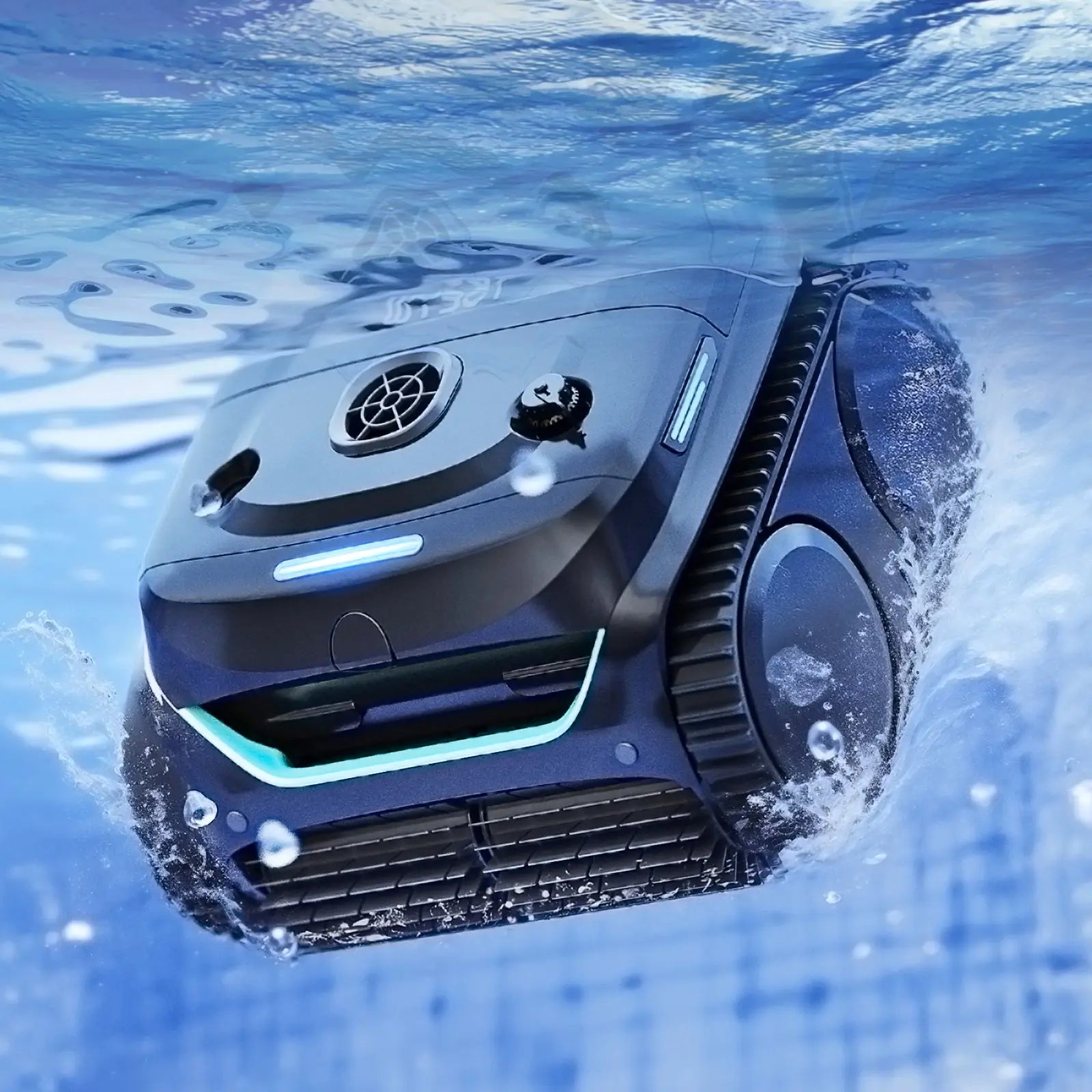
Invest in a robotic cleaner if you want the most thorough cleaning with minimal impact on your filtration system. Units like the Dolphin series operate independently with their own filtration and are essential for pools with complex shapes, steps, or tile lines requiring wall cleaning.
Signs You Definitely Need Better Vacuuming
- Recurring algae problems: Green or black spots that return quickly after treatment indicate organic debris feeding algae growth
- Cloudy water despite balanced chemicals: Fine debris stirred up from the pool floor creates persistent cloudiness
- High chlorine demand: Decomposing organic matter consumes free chlorine, requiring constant chemical additions
- Stained pool surfaces: Leaves and debris left on surfaces cause permanent staining, especially on plaster pools
- Clogged filters: Frequent filter cleaning indicates debris that should be vacuumed before reaching the filtration system
- Uneven chemical distribution: Dead spots with poor circulation harbor debris and create water chemistry imbalances
Integration with Proper Pool Chemistry
Effective vacuuming directly impacts your pool's chemical balance and follows TFP (Trouble Free Pool) maintenance principles. Remove debris before it decomposes and consumes your free chlorine. Target FC levels of 3-5 ppm for routine maintenance (adjust based on CYA level per TFP standards), but increase to shock levels (based on your CYA reading) when dealing with algae or heavy organic loads.
Important: Always vacuum to waste when dealing with algae or large debris loads to prevent contaminating your filter system. After vacuuming to waste, rebalance your water chemistry since you've removed treated pool water.
Cost-Benefit Analysis
The investment in proper vacuuming equipment pays for itself through reduced chemical costs, extended equipment life, and prevented surface damage. Manual vacuum systems start around $50-100, automatic cleaners range from $200-800, and robotic units cost $500-2000. Compare this to the cost of algae treatments, surface refinishing, or equipment replacement caused by poor maintenance.
Tools & Supplies You'll Need

Still need help? Ask a Pool & Spa Expert
Get a personalized answer from PoolGuy810 — 30 years owning a pool and spa repair company. Describe your issue and get step-by-step help.
Related Pool Guides
Need More Help?
Try our free pool calculators and tools to help diagnose and fix your pool problems.
Browse Pool ToolsSLAM calculator, pH calculator, salt dosing & more