
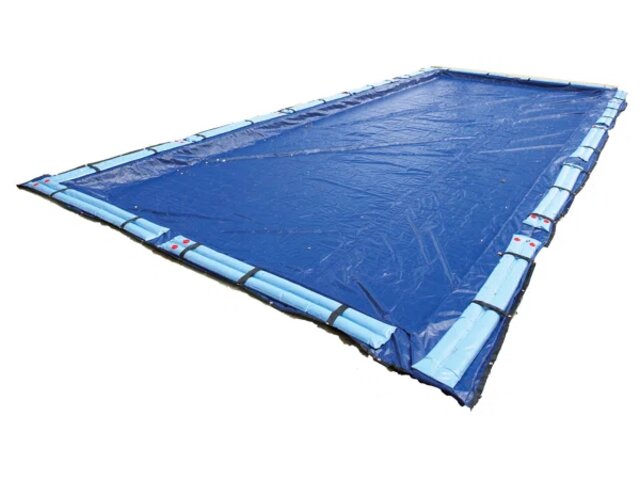
Do I Need a Pool Cover? Winter & Summer Benefits Guide

Are pool covers worth the investment or just another upsell?
Read full question
Somewhere between dumping another fortune into pool chemicals and actually wanting to swim in my own backyard, I decided to grab a pool cover and handle this myself.
I've been looking into DIY solutions to cut down on maintenance costs, and I keep seeing mixed opinions about covers. Do they really make a difference with chemical usage and heating bills? I live in an area with cold winters, so I'm also wondering if I need different types of covers for different seasons. Just want to know if this is a legitimate way to save money or if I'm better off sticking with my current routine.
Quick Answer
Pool covers are highly recommended for most pool owners as they reduce chemical usage by roughly 35–60% and cut heating costs by about 50–70%, and prevent debris accumulation. Winter covers are essential for cold climates, while solar covers benefit year-round pool users.
Step-by-Step Decision Process
- Evaluate your climate conditions
If you live where temperatures drop below freezing (around 32°F), winterizing is essential—freezing water can crack equipment, pipes, and surfaces if they aren't drained and protected. Even in moderate climates, covers prevent algae growth during cooler months when pool usage decreases. - Calculate your current chemical costs
Track your monthly spending on chlorine, pH adjusters, and algaecides for 2-3 months. Pool covers can noticeably reduce chemical usage because they block sunlight (which breaks down chlorine) and keep debris out of the water. If you're spending more than $50 monthly on chemicals, a cover will likely pay for itself within one season. - Assess your heating expenses
Review your pool heating bills or propane usage. Covers can reduce heating costs by 50-70% by preventing heat loss through evaporation. For heated pools, this single benefit often justifies the cover investment. Solar covers can actually add 8-12°F to your water temperature through solar gain. - Consider safety requirements
If you have children, pets, or local ordinances requiring safety measures, automatic safety covers provide excellent protection. These covers can support significant weight and prevent accidental drownings. Check with your insurance company - some offer discounts for safety cover installations. - Evaluate maintenance time
Calculate hours spent weekly on skimming, vacuuming, and cleaning. Covers eliminate 90% of debris entry, reducing cleaning time from hours to minutes. This is especially valuable during fall when leaves create constant maintenance demands. - Choose the right cover type
Based on your primary needs:- Solar covers: Best for extending swimming season and reducing heating costs
- Winter covers: Essential for cold climate pool closing
- Safety covers: Ideal for year-round protection and safety concerns
- Automatic covers: Convenient daily use, combining safety and maintenance benefits
Installation and Implementation Steps
- Measure your pool accurately
Measure length, width, and note any unusual shapes or obstacles. Most cover manufacturers require precise measurements for proper fitting. Include steps, spas, and any protruding features in your measurements. - Prepare the pool water chemistry
Before installing any cover, balance your water chemistry: pH 7.4-7.6, total alkalinity 80-120 ppm, and free chlorine appropriate to your CYACyanuric Acid (stabilizer) — Sunscreen for your chlorine — it keeps sunlight from burning it off. The catch: the more you have, the more chlorine you need to keep. learn more → (see the chemistry guide — roughly 4-6 ppm at CYA 30). For winter covers, shock the pool using liquid chlorine to achieve 12 ppm free chlorine, then allow it to drop to 4-6 ppm before covering (typically 24-48 hours depending on sunlight exposure). - Clean the pool thoroughly
Vacuum all debris, brush walls and steps, and empty skimmer baskets. Any debris left under the cover will decompose and create water quality issues. For winter closing, remove all leaves and organic matter completely. - Install cover hardware
For safety covers, install deck anchors according to manufacturer specifications. Use a concrete drill and ensure anchors are properly seated. For solar covers, install reel systems on the pool deck for easy handling. Winter covers require water bags or cover clips around the perimeter. - Position and secure the cover
Deploy the cover evenly across the pool surface. For safety covers, attach all springs to deck anchors with proper tension - not too tight (which can damage the cover) or too loose (which creates safety hazards). Solar covers should float directly on water surface with minimal air pockets. - Establish a maintenance routine
Check cover condition weekly, removing standing water from winter covers and cleaning solar covers monthly with mild soap. Inspect hardware for wear and adjust tension as needed. Replace worn components immediately to maintain safety and effectiveness.
When You Might Skip a Cover
Pool covers aren't necessary in every situation. If you live in a tropical climate with year-round swimming, maintain consistent pool usage, and have minimal debris issues, the benefits may not justify the investment. However, even in these conditions, a solar cover can extend comfortable swimming months and reduce chemical costs.
Safety Warning: Never use damaged covers, especially safety covers with torn fabric or broken hardware. Compromised covers create serious safety hazards and should be repaired or replaced immediately.
The investment in a quality pool cover typically pays for itself within 1-2 seasons through reduced chemical, heating, and maintenance costs while providing valuable safety and convenience benefits.
For the full breakdown of safe chlorine levels by CYA level, see our pool water chemistry guide, or use our free all-in-one pool calculator to estimate the right free chlorine for your CYA.
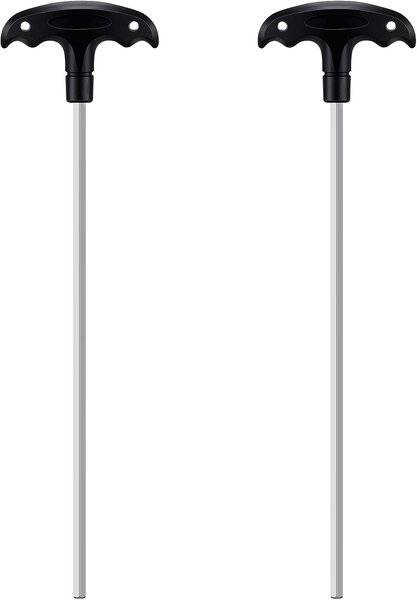 Pool Safety Cover Hex Key Tool (2-Pack)
Hex keys to install or remove a pool safety cover. View on Amazon →
Pool Safety Cover Hex Key Tool (2-Pack)
Hex keys to install or remove a pool safety cover. View on Amazon →
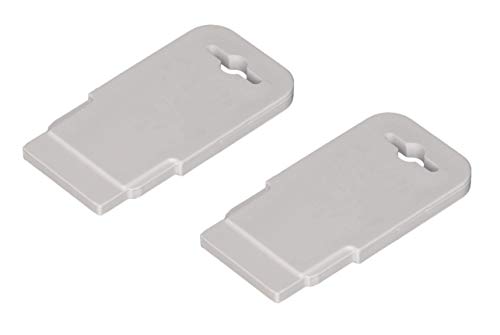 Pool Eyeball / Return Jet Fitting Removal Tool (ATIE)
Pops out & reseats Hayward SP1419 return-jet eyeballs — handy for closing. View on Amazon →
Pool Eyeball / Return Jet Fitting Removal Tool (ATIE)
Pops out & reseats Hayward SP1419 return-jet eyeballs — handy for closing. View on Amazon →
 Taylor K-2006C Complete FAS-DPD Pool & Spa Test Kit
The FAS-DPD kit pool pros trust — reads chlorine accurately even at shock/SLAM levels, plus pH, alkalinity, calcium hardness and CYA. View on Amazon →
Taylor K-2006C Complete FAS-DPD Pool & Spa Test Kit
The FAS-DPD kit pool pros trust — reads chlorine accurately even at shock/SLAM levels, plus pH, alkalinity, calcium hardness and CYA. View on Amazon →
Still need help? Ask a Pool & Spa Expert AD
Get a personalized answer from PoolGuy810 — 30 years owning a pool and spa repair company. Describe your issue and get step-by-step help.
Related Pool Guides
Need More Help?
Try our free pool calculators and tools to help diagnose and fix your pool problems.
Browse Pool ToolsSLAM calculator, pH calculator, salt dosing & more