
Can You Cover a Pool Heater? Complete Winterizing Guide

Should I cover my pool heater when winterizing my system?
Read full question
Three different "experts" just gave me three different answers about covering my pool heater for winter — my neighbor says always cover it, the pool store says never, and YouTube is all over the place. My pool heater is a significant investment, and I'm concerned about potential damage from winter weather, debris accumulation, and moisture intrusion during the months it won't be operational.
What's the recommended protocol for covering pool heaters during winter storage? I need to understand the proper materials and methods to prevent condensation issues while still providing adequate weather protection. Are there specific cover types designed for pool heating equipment, or should I avoid covering altogether to prevent moisture-related problems?
Quick Answer
Yes, you can and should cover a pool heater during winter months or when not in use. Use breathable, waterproof covers specifically designed for pool equipment to prevent moisture buildup while protecting from debris and weather.
Step-by-Step Pool Heater Covering Process
- Turn off and disconnect the heater completely
Shut off the gas supply valve (for gas heaters) or disconnect electrical power at the breaker. Allow the heater to cool completely for at least 4-6 hours after last operation (larger gas heaters may require longer cooling periods). - Drain all water from the heater system
Remove the drain plugs from the heat exchanger and allow all water to drain out completely. For heat pump units, also remove condensate drain plugs which are separate from heat exchanger drainage. This prevents freeze damage and reduces moisture that could cause corrosion during storage. - Clean the heater exterior thoroughly
Remove any debris, leaves, or dirt from around the unit. Use a garden hose to rinse off accumulated grime, then allow to dry completely before covering. - Inspect for existing damage or wear
Check for rust spots, loose connections, or damaged components that should be addressed before winter storage. Document any issues for spring maintenance. - Apply corrosion protection if needed
For older units or those in harsh climates, spray exposed metal surfaces with a light coating of WD-40 or marine-grade corrosion inhibitor. - Install the proper cover material
Use a breathable, waterproof heater cover that allows air circulation while blocking moisture. Secure it tightly but ensure vents remain unobstructed. - Create proper ventilation underneath
Leave small gaps at the bottom of the cover to allow air circulation. Never create an completely sealed environment around the heater. - Secure the cover against wind and weather
Use bungee cords, straps, or tie-downs rated for outdoor use. Ensure the cover won't blow off during storms but can still breathe. - Check monthly during winter storage
Inspect the cover for damage, ensure it's still secure, and look for any signs of moisture buildup or pest intrusion underneath.
Types of Pool Heater Covers
Commercial Heater Covers
Purpose-built pool heater covers made from marine-grade vinyl or polyester offer the best protection. These covers feature reinforced seams, UV protection, and designed ventilation systems. Note that heat pump heaters may require different covering approaches than gas or electric resistance heaters due to their outdoor fans and coils that need special ventilation and drainage considerations during winterization. Universal winter heater covers (such as the Climate Shield cover, sold by retailers like In The Swim and Leslie's) are sized to fit popular heater brands like Pentair, Hayward, and Jandy.
Custom Tarp Solutions
Heavy-duty breathable tarps can work but require more careful installation. Choose marine-grade materials with grommets for secure tie-down points. Avoid completely waterproof tarps that don't breathe, as these trap moisture.
Temporary vs. Seasonal Covers
For short-term protection during maintenance, lighter covers suffice. For winter storage, invest in heavy-duty covers designed to withstand months of weather exposure.
Critical Safety Considerations
Never cover an operational heater. Pool heaters generate significant heat and require proper ventilation during operation. Covering a running heater creates fire hazards and can damage the unit through overheating.
Gas heater specific warnings: Ensure the gas supply is completely shut off and that no gas odors are present before covering. Never obstruct gas line connections or emergency shutoff valves with covering materials.
Electrical safety for electric heaters: Disconnect power at the breaker, not just the unit switch. Ensure all electrical connections are properly sealed before applying covers.
What NOT to Use as Heater Covers
- Plastic sheeting or garbage bags - These trap moisture and can cause severe corrosion
- Completely sealed containers - Heaters need air circulation even when covered
- Flammable materials - Avoid covers that could ignite if the heater accidentally operates
- Materials that retain water - Canvas or fabric that stays wet promotes rust and corrosion
Seasonal Covering Schedule
Fall Preparation (October-November)
As sustained freezing temperatures (at or below 32°F) approach, begin winterization procedures. This timing allows you to address any maintenance issues before freezing weather arrives.
Winter Monitoring (December-February)
Check covers monthly for damage from ice, snow, or wind. Clear snow buildup that could stress cover materials or block ventilation.
Spring Uncovering (March-April)
Remove covers when temperatures consistently stay above freezing and pool opening approaches. Inspect the heater thoroughly before reconnecting utilities. For gas heaters, reinstall drain plugs and perform leak testing after reconnection.
Regional Considerations
Cold climates: Focus on freeze protection with complete water drainage and heavy-duty covers rated for snow loads.
Mild climates: Emphasize UV protection and debris prevention rather than freeze protection.
Coastal areas: Use marine-grade materials resistant to salt air corrosion.
Troubleshooting Common Cover Problems
Condensation buildup: Indicates inadequate ventilation. Adjust cover to allow more air circulation while maintaining weather protection.
Cover deterioration: UV damage and weather stress require cover replacement every 3-5 years for optimal protection.
Pest intrusion: Seal obvious entry points while maintaining necessary ventilation gaps.
Properly covering your pool heater extends equipment life significantly and prevents costly winter damage. The investment in quality covers pays for itself through reduced maintenance and repair costs over the heater's lifespan.
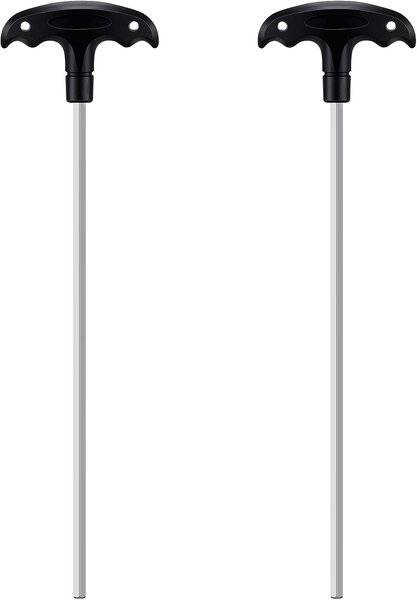 Pool Safety Cover Hex Key Tool (2-Pack)
Hex keys to install or remove a pool safety cover. View on Amazon →
Pool Safety Cover Hex Key Tool (2-Pack)
Hex keys to install or remove a pool safety cover. View on Amazon →
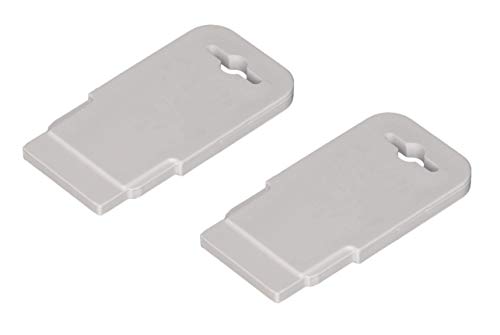 Pool Eyeball / Return Jet Fitting Removal Tool (ATIE)
Pops out & reseats Hayward SP1419 return-jet eyeballs — handy for closing. View on Amazon →
Pool Eyeball / Return Jet Fitting Removal Tool (ATIE)
Pops out & reseats Hayward SP1419 return-jet eyeballs — handy for closing. View on Amazon →
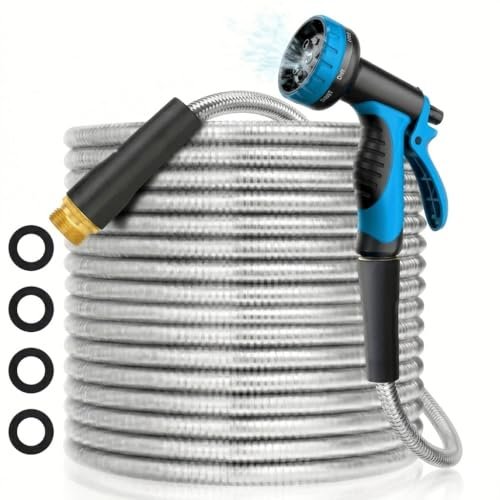 50 ft Flexible Metal Garden Hose (Kink-Free)
Durable hose for filling, priming, and rinsing equipment. View on Amazon →
50 ft Flexible Metal Garden Hose (Kink-Free)
Durable hose for filling, priming, and rinsing equipment. View on Amazon →
Still need help? Ask a Pool & Spa Expert AD
Get a personalized answer from PoolGuy810 — 30 years owning a pool and spa repair company. Describe your issue and get step-by-step help.
Related Pool Guides
Need More Help?
Try our free pool calculators and tools to help diagnose and fix your pool problems.
Browse Pool ToolsSLAM calculator, pH calculator, salt dosing & more