
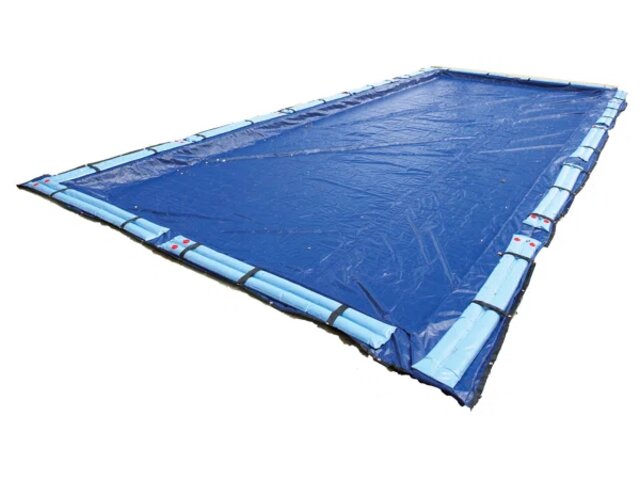
Can Pool Chemicals Freeze? Winter Storage Guide 2026

Will freezing temperatures ruin my pool chemicals?
Read full question
Opened my pool chemical bottles after reading the "store in cool, dry place" instructions, but now my garage is freezing and I'm questioning if they actually mean below 32 degrees. We had an unexpected cold snap last week and temperatures dropped well below freezing in my garage where I keep all my pool supplies. I have both liquid chlorine and powder shock treatments stored out there, plus some other liquid chemicals.
I'm concerned about whether these chemicals are still safe to use when my kids start swimming again in spring. Did the freezing temperatures damage them or make them less effective? I want to make sure the water quality will be perfect and safe for my family. Should I be planning to replace everything, or are some chemicals more resistant to freezing than others?
Quick Answer
Most liquid pool chemicals can freeze and become damaged, while powder chemicals are generally freeze-resistant. Proper winter storage in areas kept above 40°F prevents costly chemical replacement.
Step-by-Step Winter Chemical Storage Process
- Inventory your chemicals by type: Separate liquid chemicals (muriatic acid, liquid chlorine, algaecides) from powder/granular chemicals (calcium hypochlorite, sodium bicarbonate, stabilizer). Liquid chemicals are most vulnerable to freeze damage.
- Check expiration dates and potency: Liquid chlorine loses roughly 20% of its potency per month—about half-strength in just three months at room temperature, so use older bottles first before winter storage. Test chlorine strength with a Taylor K-1000 or K-1001 water test kit (which includes chlorine testing) if you're unsure of potency.
- Inspect all containers for damage: Look for cracks, loose lids, or corrosion. Freezing can expand containers and worsen existing damage, potentially causing dangerous leaks or chemical mixing.
- Move liquid chemicals to heated storage: Store in a basement, heated garage, or utility room where temperatures stay above 40°F consistently. Avoid areas near furnaces, water heaters, or other heat sources that could cause overheating.
- Organize chemicals by compatibility: Never store muriatic acid near chlorine products. Keep acids on lower shelves (heavier, safer if spilled) and oxidizers like calcium hypochlorite on upper shelves with good ventilation.
- Secure powder chemicals in dry areas: While freeze-resistant, moisture from freeze-thaw cycles can cause clumping or chemical reactions. Store in original containers with tight-fitting lids in dry locations.
- Create temperature monitoring system: Place a min/max thermometer in your storage area. If temperatures approach freezing, move chemicals to warmer locations immediately.
- Label storage dates: Mark storage date on each container. This helps track chemical age since effectiveness diminishes over time, especially for liquid products.
Which Pool Chemicals Are Most Vulnerable to Freezing
High-Risk Liquid Chemicals
- Muriatic acid (20-31% hydrochloric acid): Freezes only at temperatures well below 0°F, but containers can still crack from thermal stress in extreme cold, so protect it from freezing
- Liquid chlorine (sodium hypochlorite): Pool-strength 12.5% solutions don't freeze until roughly 5°F (lower-strength product closer to 19°F); freezing causes separation and reduced potency
- Liquid algaecides: Most copper-based algaecides freeze around 25-30°F, causing separation and reduced effectiveness
- pH adjusters (liquid): Liquid pH increasers and decreasers can freeze, separate, or become ineffective
Moderate-Risk Chemicals
- Granular chlorine (calcium hypochlorite): Won't freeze but moisture from temperature fluctuations can cause dangerous clumping or chemical reactions
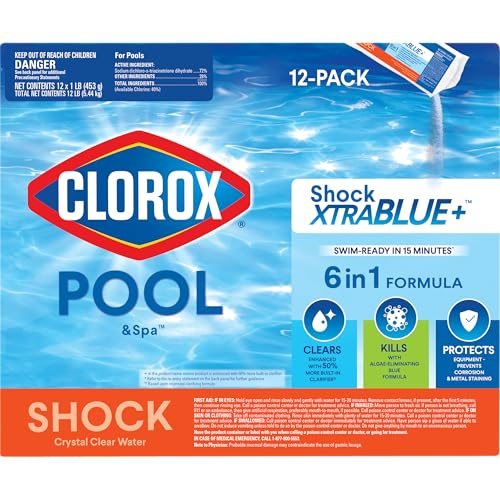
- Shock treatments: Powder forms resist freezing but can lose potency if exposed to moisture from freeze-thaw cycles
Low-Risk Chemicals
- Sodium bicarbonate (baking soda): Highly stable in freezing conditions when kept dry
- Stabilizer (cyanuric acid): Powder form unaffected by freezing temperatures
- Calcium chloride: Actually generates heat when dissolved, very freeze-resistant
Proper Storage Temperature Guidelines
- Maintain storage areas between 50-80°F: This range preserves chemical potency while preventing freeze damage. Avoid temperature swings greater than 20°F in a 24-hour period.
- Monitor humidity levels: Keep relative humidity below 50% to prevent moisture absorption by powder chemicals. Use a dehumidifier if necessary in damp basements.
- Ensure adequate ventilation: Chemical storage areas need air circulation to prevent dangerous gas buildup, especially important in heated spaces where chemical off-gassing increases.
- Plan for power outages: Have backup heating or relocation plan if your storage area depends on electricity. Even brief freezing can damage liquid chemicals permanently.
Signs of Freeze Damage in Pool Chemicals
- Container damage: Cracked bottles, bulging containers, or separated lids indicate freeze expansion occurred
- Liquid separation: Algaecides or liquid chlorine showing distinct layers or crystalline particles have likely frozen
- Color changes: Liquid chlorine turning yellow or brown indicates decomposition, often accelerated by freeze-thaw cycles
- Unusual odors: Strong chemical smells different from normal indicate potential decomposition or concentration changes
- Clumping in powders: While powders resist freezing, moisture from temperature changes can cause hard clumps that won't dissolve properly
Safety Considerations for Frozen Chemicals
Never attempt to thaw frozen chemicals with direct heat sources. This can cause dangerous chemical reactions, container failure, or toxic gas release. Instead, move containers to room temperature areas and allow gradual thawing.
If you discover cracked containers from freeze damage, ventilate the area immediately and clean up spills with appropriate neutralizing agents. For muriatic acid spills, use sodium bicarbonate; for chlorine spills, avoid mixing with any other chemicals.
Replace any chemicals showing signs of freeze damage rather than risking pool chemistry problems or safety hazards. The cost of replacement chemicals is minimal compared to potential pool equipment damage or health risks from degraded chemicals.
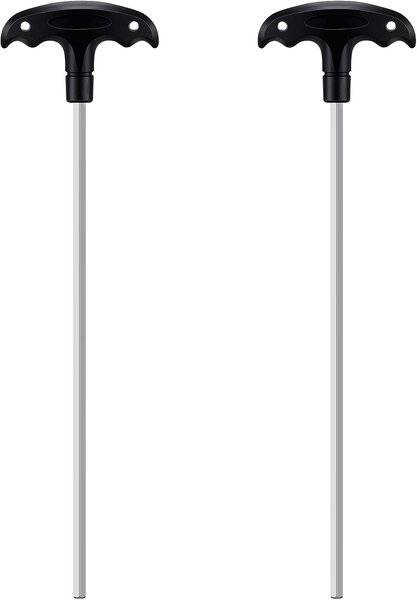 Pool Safety Cover Hex Key Tool (2-Pack)
Hex keys to install or remove a pool safety cover. View on Amazon →
Pool Safety Cover Hex Key Tool (2-Pack)
Hex keys to install or remove a pool safety cover. View on Amazon →
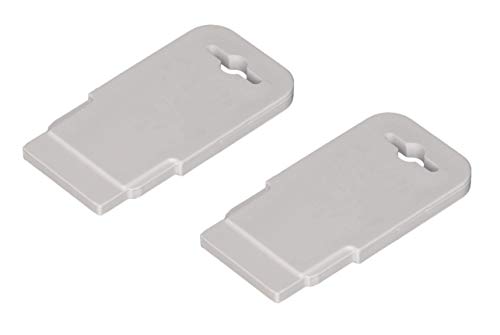 Pool Eyeball / Return Jet Fitting Removal Tool (ATIE)
Pops out & reseats Hayward SP1419 return-jet eyeballs — handy for closing. View on Amazon →
Pool Eyeball / Return Jet Fitting Removal Tool (ATIE)
Pops out & reseats Hayward SP1419 return-jet eyeballs — handy for closing. View on Amazon →
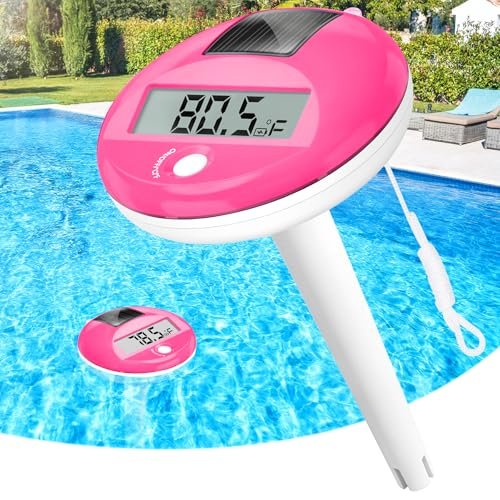 LuxBlue Floating Pool Thermometer, Solar, Large LCD
Easy-read floating thermometer for pool water temperature. View on Amazon →
LuxBlue Floating Pool Thermometer, Solar, Large LCD
Easy-read floating thermometer for pool water temperature. View on Amazon →
Still need help? Ask a Pool & Spa Expert AD
Get a personalized answer from PoolGuy810 — 30 years owning a pool and spa repair company. Describe your issue and get step-by-step help.
Related Pool Guides
Need More Help?
Try our free pool calculators and tools to help diagnose and fix your pool problems.
Browse Pool ToolsSLAM calculator, pH calculator, salt dosing & more